Incretin (GLP-1 family)

Retatrutide (10 mg vial) dosage protocol

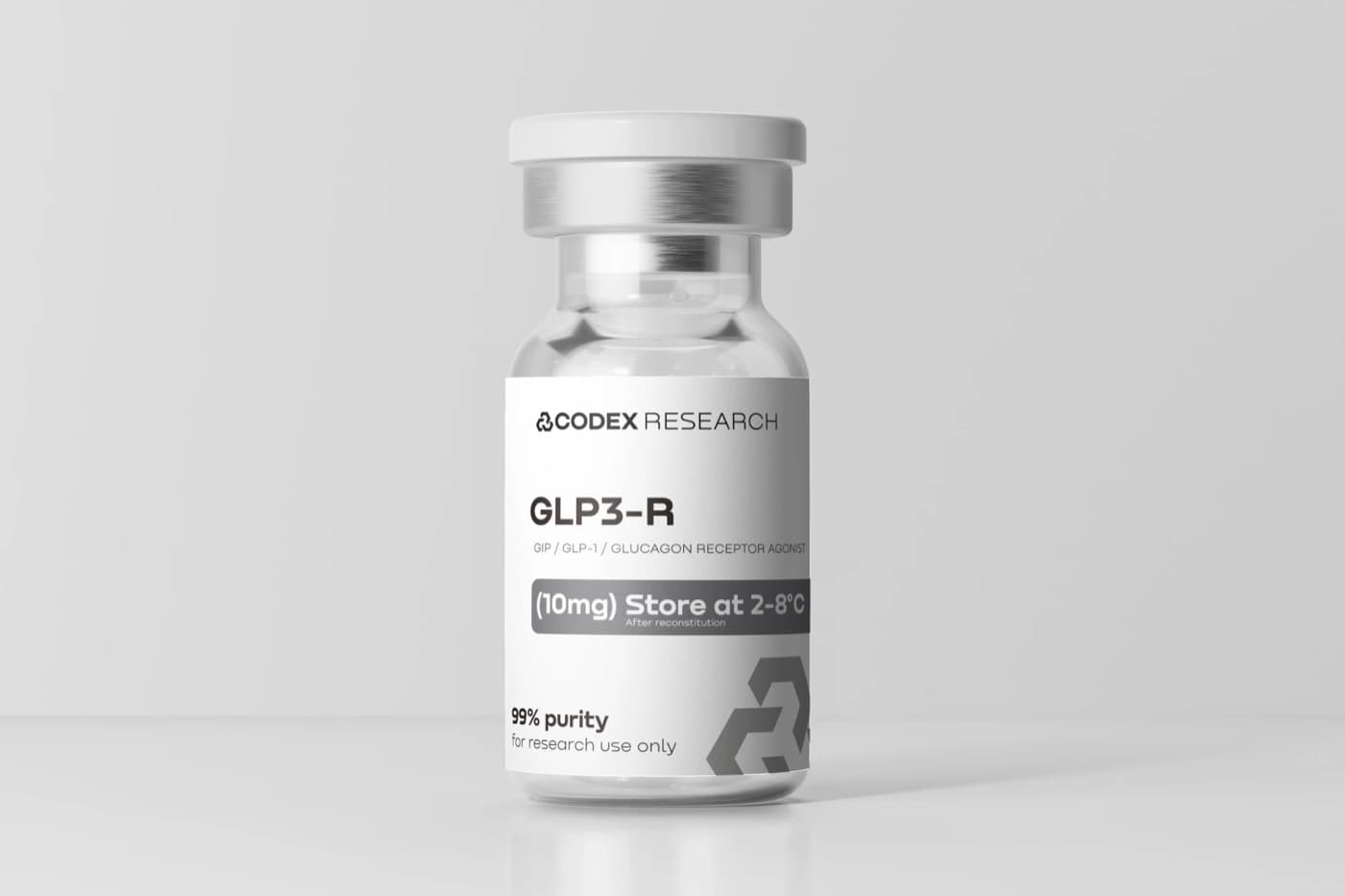
Dosage chart, U-100 syringe units and supplies for a 10 mg vial of Retatrutide mixed with 1 mL. For the full research summary, see the Retatrutide page.

01

Retatrutide quick reference (10 mg vial)

Vial contents
10 mg Retatrutide
Final volume
1 mL
Concentration
10 mg/mL
One U-100 unit
100 mcg in 0.01 mL
02

Retatrutide dosage chart

Amounts as reported for this peptide, with the syringe measure for this vial. Reported use is not evidence that a schedule works or is safe, and none of this is medical advice.

Phase 2 escalation

  • Subcutaneous injection, once a week
  • From clinical trials

The dose escalation used in published human trials, worked out for a research vial. Worked out with a 10 mg vial + 1 mL bacteriostatic water (10 mg/mL, 100 mcg per unit).

Amounts as reported, with the syringe or spray measure for the vial below. Not a recommendation.
PeriodAmount each timeU-100 unitsVolume
Weeks 1-42 mg200.2 mL
Weeks 5-84 mg400.4 mL
Weeks 9-128 mg800.8 mL
Week 13 on12 mg2 injections of 60 units1.2 mL

Phase 3 escalation

  • Subcutaneous injection, once a week
  • From clinical trials

The dose escalation used in published human trials, worked out for a research vial. Worked out with a 10 mg vial + 1 mL bacteriostatic water (10 mg/mL, 100 mcg per unit).

Amounts as reported, with the syringe or spray measure for the vial below. Not a recommendation.
PeriodAmount each timeU-100 unitsVolume
Weeks 1-42 mg200.2 mL
Weeks 5-84 mg400.4 mL
Weeks 9-126 mg600.6 mL
Weeks 13-169 mg900.9 mL
Week 17 on12 mg2 injections of 60 units1.2 mL

Reconstitution steps

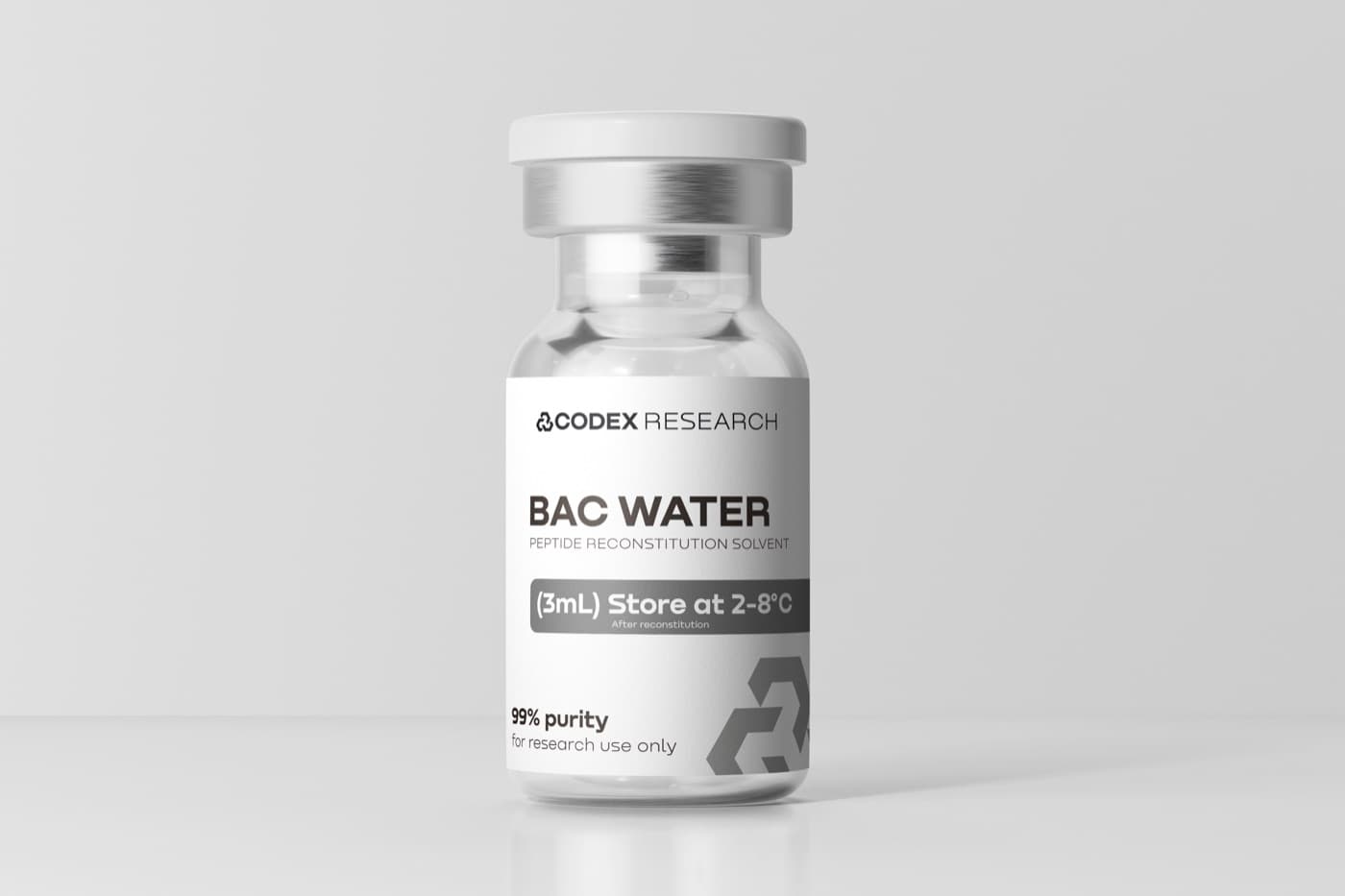
  1. Draw 1 mL of bacteriostatic water with a sterile syringe.
  2. Inject it slowly down the inside wall of the vial, not onto the powder, to avoid foaming.
  3. Swirl or roll the vial gently until the powder dissolves. Do not shake it.
  4. Label it with the date and the volume of water, and refrigerate at 2-8 °C (36-46 °F), away from light.
03

Supplies needed

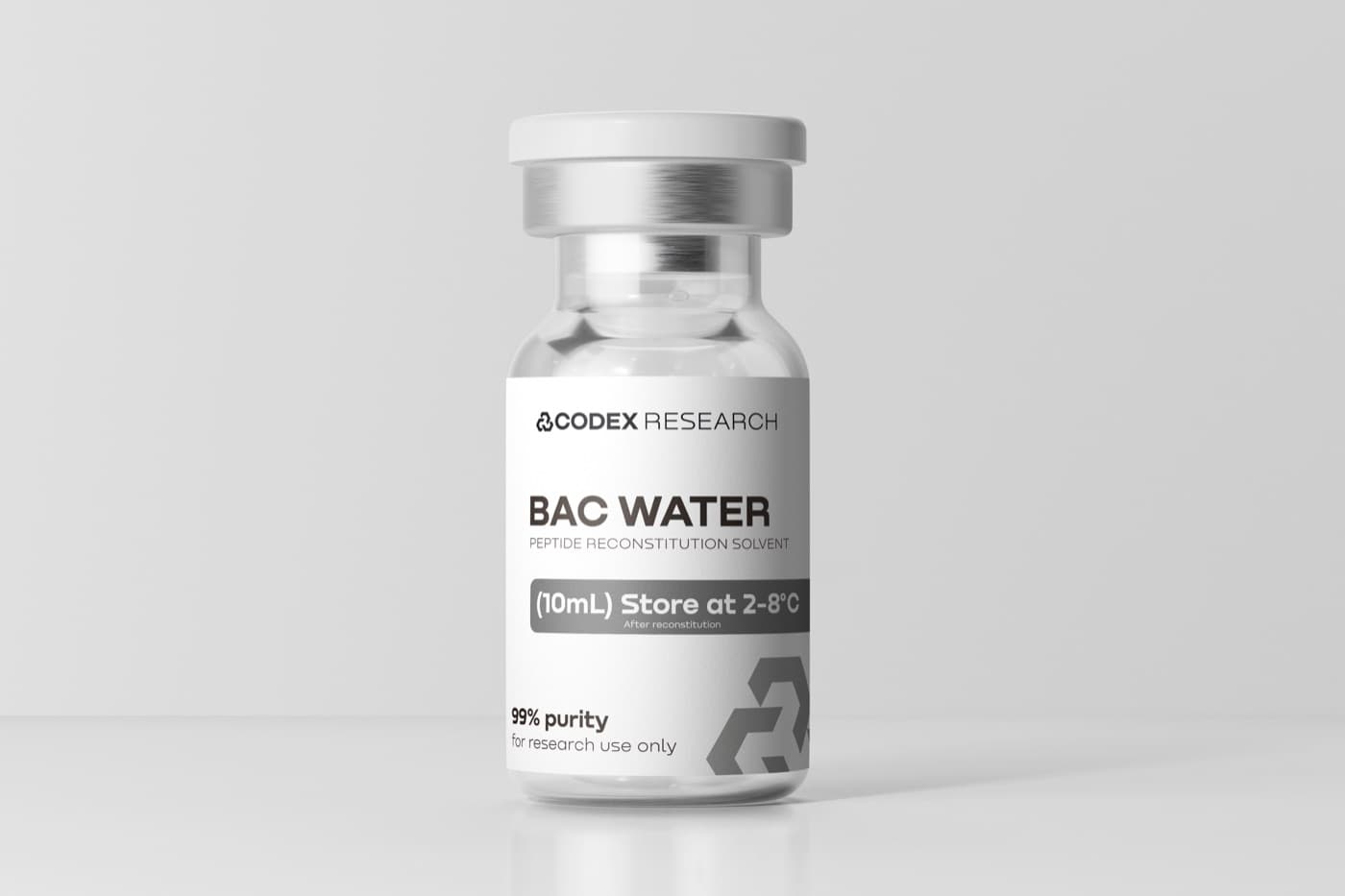
Minimum supplies for each length of the schedule above, with 10 mg vials and 1 mL of water per vial. One new syringe per injection (two if over 1 mL), two alcohol swabs per injection, 10 mL water bottles.

Phase 2 escalation

  • Subcutaneous injection, once a week
  • From clinical trials
Minimum supplies, worked out from the amounts above. Add a margin for losses.
Item12 weeks24 weeks
Injections1224
Total peptide56 mg200 mg
Retatrutide vials (10 mg)620
Bacteriostatic water6 mL20 mL
Water bottles (10 mL)12
U-100 insulin syringes1236
Alcohol swabs (boxes of 100)24 (1)72 (1)

Phase 3 escalation

  • Subcutaneous injection, once a week
  • From clinical trials
Minimum supplies, worked out from the amounts above. Add a margin for losses.
Item12 weeks24 weeks
Injections1224
Total peptide48 mg180 mg
Retatrutide vials (10 mg)518
Bacteriostatic water5 mL18 mL
Water bottles (10 mL)12
U-100 insulin syringes1232
Alcohol swabs (boxes of 100)24 (1)64 (1)

Research supplier

For laboratory research use only.

Codex Research LabShips from Panama City · US domestic shipping

04

Peptide reconstitution

Try other volumes of water: the concentration and the units per amount change with it.

Reconstitution calculator

Arithmetic only. It assumes the vial holds exactly what the label says.

Concentration
10,000 mcg/mL
Per U-100 unit
100 mcg
Volume for your amount
—
Concentration of a 10 mg vial after adding the liquid, and peptide per U-100 unit (0.01 mL).
Liquid addedConcentrationPer unit
1 mL10,000 mcg/mL100 mcg
2 mL5,000 mcg/mL50 mcg
3 mL3,333 mcg/mL33.3 mcg
05

Retatrutide vial and research context

  • Reconstitute: add 1 mL of bacteriostatic water for a 10 mg/mL solution.
  • Amounts in the chart: 2 mg-12 mg each time, by subcutaneous injection, once a week.
  • Easy measuring: at 10 mg/mL, one unit (0.01 mL) on a U-100 insulin syringe holds about 100 mcg.
  • Storage: freeze-dried, keep it sealed, cold and away from light (frozen for long storage). Once mixed, refrigerate at 2-8 °C and avoid freezing and thawing.

Retatrutide is an investigational once-weekly injection that acts on three hormone receptors: GIP, GLP-1 and glucagon. Phase 3 trials published in 2026 reported large weight loss, but it is not FDA-approved for any use.

06

Retatrutide 10 mg protocol overview

  • Primary calculation: 10 mg made up to 1 mL equals 10 mg/mL.
  • Amounts shown: 2 mg-12 mg per administration. The dose escalation used in published human trials, worked out for a research vial.
  • Route and frequency: subcutaneous injection, once a week.
  • Evidence ceiling: 8 of the 9 studies with a dose in our library were done in people.
  • Regulatory status: Investigational. Not FDA-approved for any use. Eli Lilly has said it plans to file with the FDA in early 2027.
07

How to read the Retatrutide dosage chart

A 10 mg vial holds 10,000 mcg of Retatrutide. Adding 1 mL gives 10 mg/mL, so one U-100 unit (0.01 mL) holds 100 mcg. To get the units for an amount, divide it by 100 mcg. The units are a volume mark on the syringe, not a measure of potency.

  • 2 mg: 0.2 mL, or 20 U-100 units.
  • 4 mg: 0.4 mL, or 40 U-100 units.
  • 6 mg: 0.6 mL, or 60 U-100 units.
  • 8 mg: 0.8 mL, or 80 U-100 units.
  • 9 mg: 0.9 mL, or 90 U-100 units.
  • 12 mg: 1.2 mL, or 120 U-100 units, more than one 1 mL syringe (2 injections).

Vial coverage by mass: 5 full amounts of 2 mg, 2 full amounts of 4 mg, 1 full amounts of 6 mg, 1 full amounts of 8 mg, 1 full amounts of 9 mg, 0 full amounts of 12 mg per vial, before any handling loss.

If a different volume of water is used, every unit figure changes: recalculate with the calculator above.

Vial sizes compared, each mixed with 2 mL. A larger vial gives a stronger solution, so each unit holds more peptide.
VialConcentrationPer unitIn 10 units
10 mg (this page)5,000 mcg/mL50 mcg500 mcg
20 mg10,000 mcg/mL100 mcg1 mg
30 mg15,000 mcg/mL150 mcg1.5 mg
08

Human Retatrutide dosage evidence

Early and phase 2 trials

  • Phase 1b: in 72 people with type 2 diabetes over 12 weeks, the half-life was about 6 days and blood sugar and weight fell at the higher doses (Urva 2022).
  • Phase 2, obesity: in 338 adults without diabetes, weight change at 24 weeks ranged from 7.2% on 1 mg to 17.5% on 12 mg, against 1.6% on placebo, and kept falling through week 48 (Jastreboff 2023).
  • Phase 2, type 2 diabetes: HbA1c fell by up to about 2% and weight by up to about 17% at 36 weeks, more than with dulaglutide (Rosenstock 2023).
  • Liver fat: in a substudy of 98 people with fatty liver, liver fat on MRI fell by up to 82% at 24 weeks (Sanyal 2024).

Phase 3 trials (2026)

  • TRIUMPH-1: in 2,339 adults with obesity and no diabetes, mean weight change at 80 weeks was 17.6%, 23.7% and 25.0% on 4, 9 and 12 mg, against 3.9% on placebo. Knee osteoarthritis pain and sleep apnoea also improved in the subgroups with those conditions (Jastreboff 2026).
  • TRIUMPH-2: in 1,152 adults with obesity and type 2 diabetes, weight change at 80 weeks was 11.9% to 18.8% vs 5.1% on placebo (Bellido 2026).
  • TRANSCEND-T2D-1: in 537 adults with type 2 diabetes on diet and exercise alone, HbA1c fell by 1.69% to 1.94% vs 0.81% on placebo at 40 weeks (Bajaj 2026).
  • Sleep apnoea: in two trials nested in TRIUMPH-1 and TRIUMPH-2, breathing interruptions during sleep fell more than on placebo (Grunstein 2026).

Verdict: retatrutide now has phase 3 data from several double-blind, placebo-controlled trials, and the weight loss reported is among the largest seen in obesity drug trials. But the phase 3 papers are only months old, two were still online ahead of print when we checked, every trial was run by the developer, and there are no long-term safety or cardiovascular outcome results yet. Regulators have not yet reviewed the full data.

Doses used in human studies

  • Jastreboff AM 2023: 1, 4, 8 or 12 mg once weekly (some arms with different starting doses) (Subcutaneous, once weekly; 48 weeks)
  • Urva S 2022: 0.5 mg, 1.5 mg, 3 mg, 3/6 mg or 3/6/9/12 mg (stepwise escalation) once weekly; comparators placebo or dulaglutide 1.5 mg (Subcutaneous, once weekly; 12 weeks)
  • Rosenstock J 2023: Maintenance doses of 0.5 mg, 4 mg, 8 mg or 12 mg once weekly (with different starting doses); comparators placebo or dulaglutide 1.5 mg (Subcutaneous, once weekly; 36 weeks)
  • Sanyal AJ 2024: 1 mg, 4 mg, 8 mg or 12 mg once weekly (Subcutaneous, once weekly; 48 weeks (primary endpoint at 24 weeks))
  • Bajaj HS 2026: 4 mg, 9 mg or 12 mg once weekly (Subcutaneous, once weekly; 40 weeks)
  • Jastreboff AM 2026: 4 mg, 9 mg or 12 mg once weekly (Subcutaneous, once weekly; 80 weeks)
  • Bellido V 2026: 4 mg, 9 mg or 12 mg once weekly (Subcutaneous, once weekly; 80 weeks)
  • Grunstein RR 2026: 4 mg, 9 mg or 12 mg once weekly (Subcutaneous, once weekly; 80 weeks)

Every study dose, including animal and cell studies, is in the Retatrutide dose table.

09

Retatrutide safety, side effects and evidence limits

Because it is not approved, there is no prescribing information. In trials, the most common side effects were gastrointestinal (diarrhoea, nausea, vomiting, constipation), mostly mild to moderate and more frequent at higher doses. In TRIUMPH-2, diarrhoea affected 27-34% on retatrutide vs 13% on placebo, and nausea 14-28% vs 8% (Bellido 2026). Other points from the trials so far:

  • Low blood pressure and skin sensations: in TRIUMPH-2, hypotension (up to 6% vs under 1%) and dysaesthesia, an abnormal or unpleasant skin sensation (4-7% vs 1%), were more frequent on retatrutide (Bellido 2026).
  • Stopping because of side effects: 12% on 9 mg and 8% on 12 mg stopped because of adverse events or death in TRIUMPH-2, vs 5% on placebo. Deaths in that trial were judged unrelated to the drug by investigators (Bellido 2026).
  • Unknown long-term effects: the longest trials lasted 80 weeks. There are no published cardiovascular outcome trials, and rarer effects seen with related drugs (such as gallbladder or pancreas problems) cannot yet be ruled in or out.
  • Product quality: retatrutide sold online is not the investigational product used in trials. Its identity, dose, purity and sterility are unchecked, and any non-sterile injection carries a risk of infection.
  • FDA: Investigational. Not FDA-approved for any use. Eli Lilly has said it plans to file with the FDA in early 2027.
  • Evidence limits: reported use is not evidence that a schedule works or is safe. Animal doses do not convert to people, and research products are not made or checked for use in people.
  • Status checked on: Oct 26, 2026.
10

Questions about the Retatrutide 10 mg vial

How much bacteriostatic water goes into a 10 mg Retatrutide vial?

There is no single correct volume: it only changes the concentration. For a 10 mg vial, 1 mL gives 10,000 mcg/mL, 2 mL gives 5,000 mcg/mL, 3 mL gives 3,333 mcg/mL. More water makes small amounts easier to measure; less water keeps volumes small. Whatever volume is used, write it on the label.

What does one unit on an insulin syringe mean?

On a U-100 syringe, 100 units = 1 mL, so one unit is 0.01 mL. How much peptide that holds depends on the concentration of the vial, which depends on how much water was added.

Can doses from animal studies of Retatrutide be converted to people?

No. Animal doses are reported per kilogram for a different species, and scaling them to people is not reliable. That is why Upzo shows each study dose next to its study, unconverted.

Research and education only. Not medical advice. Many peptides on this site are not approved by the FDA for human use. Doses shown are the ones used in published studies and are not a recommendation. Talk to a licensed clinician before using any of them. Read the full disclaimer.