BPC-157 is a synthetic 15-amino-acid peptide derived from a protein found in gastric juice. Almost all of its research is in animals, and it is not FDA-approved.
Not FDA-approved
WADA prohibited
Limited human data
Also known as Body Protection Compound-157, Pentadecapeptide BPC 157, PL 14736, PL14736
BPC-157 ("body protection compound") is a chain of 15 amino acids. Its sequence is taken from a larger protein found in human gastric juice, but the peptide sold today is made synthetically. It was first studied as an anti-ulcer agent, and later in models of tendon, ligament, muscle, gut and skin injury.
In the 2000s it was developed by the pharmaceutical company Pliva under the code PL 14736, and described as being in clinical trials for inflammatory bowel disease. We could not find any published results from those trials.
Two features of the research matter when reading anything about BPC-157. First, almost all of it is in rats, mice and cells: by mid-2024 a systematic review found 35 preclinical studies and one human study (Vasireddi 2025). Second, most of the animal work comes from a single research group in Zagreb, Croatia; independent groups in Taiwan and China have reported similar findings in some models, but large independent replications are missing.
Type: synthetic peptide, 15 amino acids.
Studied for: tendon, ligament and muscle healing, gut injury, wounds and blood vessel growth.
Strongest evidence: animal studies. Human data are three small uncontrolled reports.
Legal status: not approved as a medicine anywhere in the US; prohibited in sport by WADA.
02
BPC-157 protocols and supplies
Schedules reported for this peptide, with the syringe measure for each step and the supplies each one takes. Reported use is not evidence that a schedule works or is safe, and none of this is medical advice.
Gradual, once daily
Subcutaneous injection, once a day
Community-reported
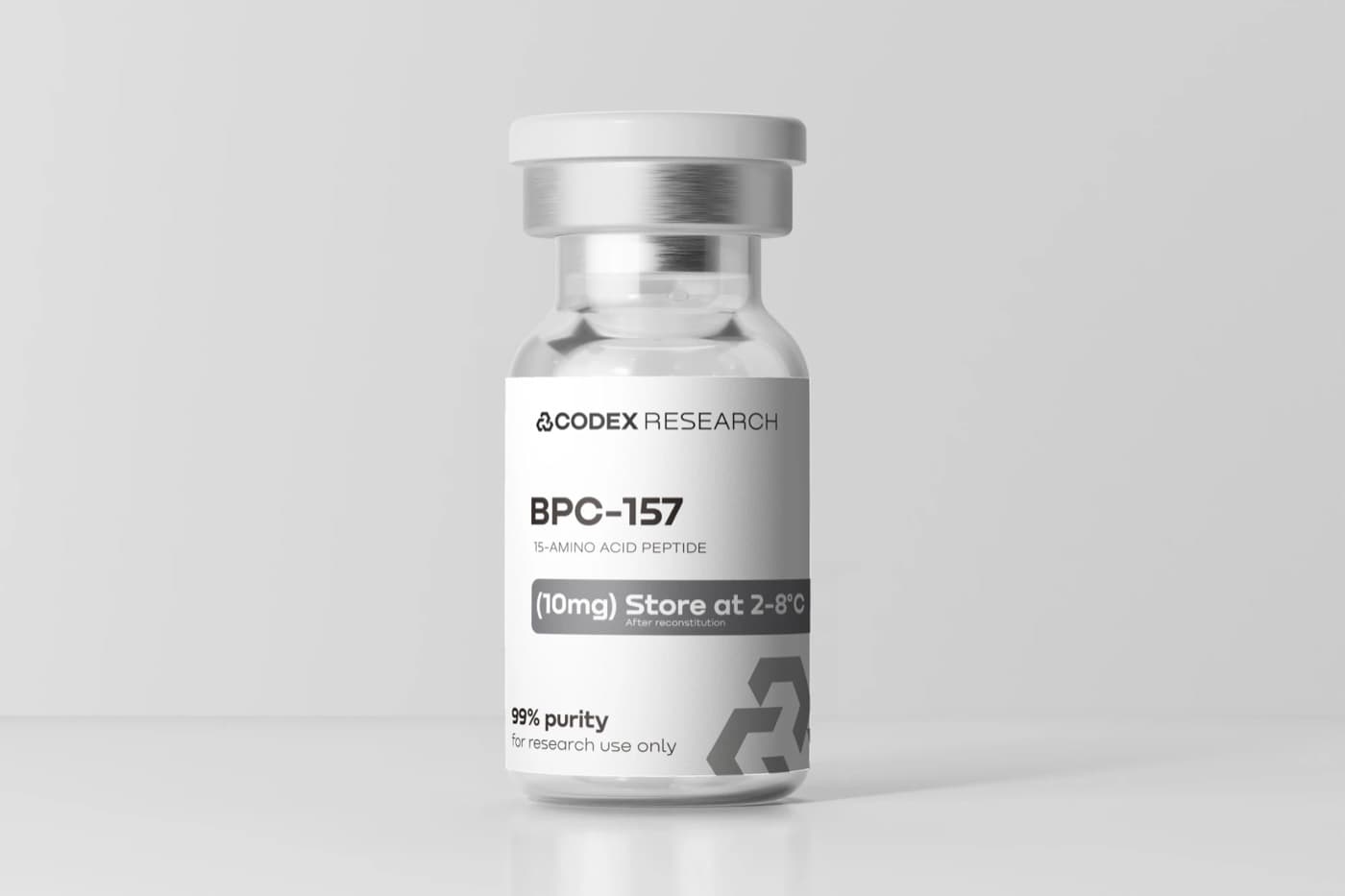
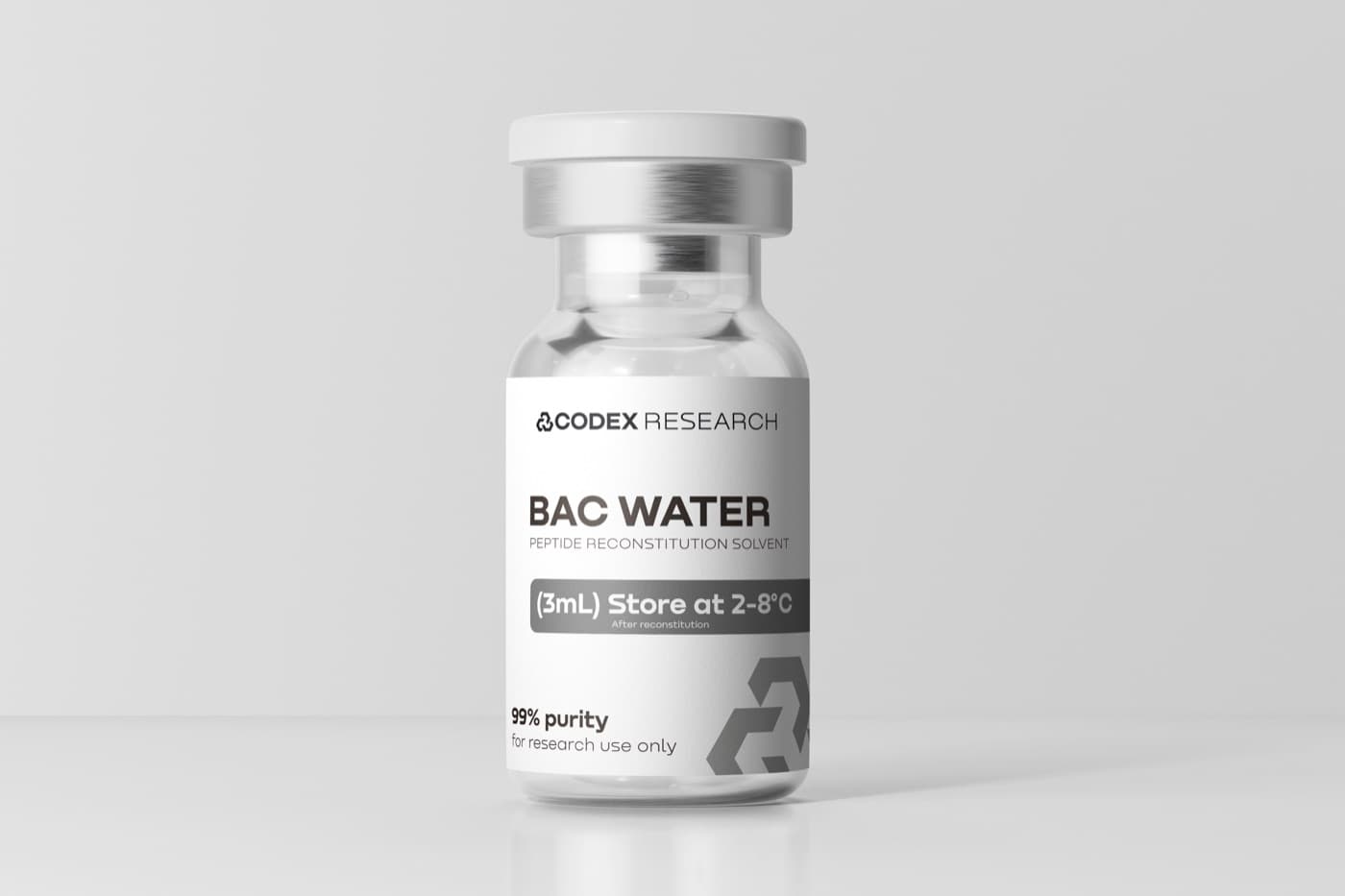
Reported in the research community. It has not been tested as a schedule in human trials. Worked out with a 10 mg vial + 3 mL bacteriostatic water (3.33 mg/mL, 33.3 mcg per unit).
Amounts as reported, with the syringe or spray measure for the vial below. Not a recommendation.
Period
Amount each time
U-100 units
Volume
Weeks 1-2
200 mcg
6
0.06 mL
Weeks 3-4
400 mcg
12
0.12 mL
Week 5 on
600 mcg
18
0.18 mL
Minimum supplies, worked out from the amounts above. Add a margin for losses.
Item
8 weeks
12 weeks
16 weeks
Injections
56
84
112
Total peptide
25.2 mg
42 mg
58.8 mg
BPC-157 vials (10 mg)
3
5
6
Bacteriostatic water
9 mL
15 mL
18 mL
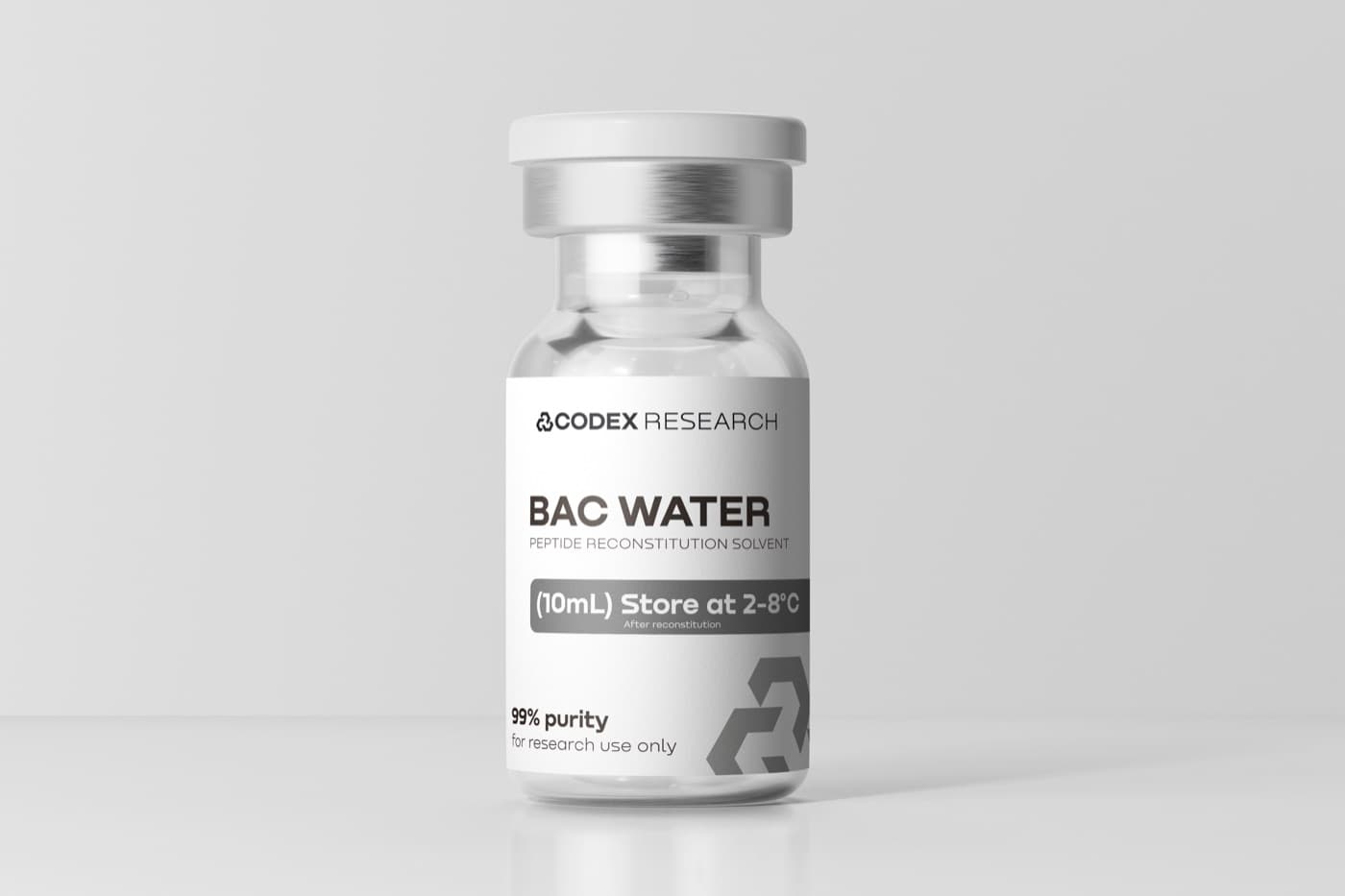
Water bottles (10 mL)
1
2
2
U-100 insulin syringes
56
84
112
Alcohol swabs (boxes of 100)
112 (2)
168 (2)
224 (3)
03
BPC-157 doses used in studies
The dose each published study gave its participants, copied from the paper. Not dosing instructions; animal doses do not convert directly to people.
At a glance: 14 studies report a dose (3 in people, 9 in animals, 2 in cells).
Doses used in human studies
Lee E 2025: Infusions of up to 20 mg (Intravenous infusion)
Lee E 2024: 10 mg in total, in a single procedure (Injected into the bladder wall during cystoscopy)
Every study
Doses as reported by each study. Not a recommendation.
What has been studied, by type of evidence. A result in animals or cells is a reason to study something in people, not proof that it works in people.
In humans
Summarised
Three small human reports exist, all from the same US clinic and journal, and none with a control group or blinding:
Knee pain: a chart review of 16 patients given injections into the knee. Most said their pain improved when asked months later, but this was self-reported, with no comparison group or imaging (Lee 2021).
Interstitial cystitis: 12 women who had not responded to standard treatment received a single 10 mg treatment injected into the bladder wall. Ten reported their symptoms resolved (Lee 2024).
Intravenous safety: two healthy adults received infusions of up to 20 mg with no reported adverse effects (Lee 2025).
A 2026 systematic review found only these three studies (30 people in total), judged all of them poor quality, and rated the certainty of the evidence as very low (Poolton 2026). In short: there is no reliable evidence yet that BPC-157 works or is safe in people.
In animals
Summarised
Tendons, ligaments and muscle
In rats with a surgically cut Achilles tendon, daily injections were followed by better tendon strength, walking function and tissue repair than in untreated rats (Staresinic 2003). Similar results were reported for a cut knee ligament, with the peptide given by injection, in drinking water or as a cream (Cerovecki 2010).
Gut
In rat models, BPC-157 was followed by faster closure of fistulas between the colon and the skin (Klicek 2008) and by weight gain and a healthier gut lining after a large part of the small intestine was removed (Sever 2009). Both come from the Zagreb group.
Wounds and blood vessels
Independent groups reported faster healing of alkali burns in rats with a topical form (Huang 2015), better wound tissue in rats and diabetic mice (Tkalcević 2007), and more new blood vessels plus faster blood flow recovery in rats with a blocked leg artery (Hsieh 2017). Because these come from more than one lab, they are among the better-supported animal findings.
How the body handles it
In rats and dogs, intact BPC-157 disappeared from the blood with a half-life of under 30 minutes and was broken down into small fragments and amino acids (He 2022). How it behaves in people has not been measured.
In cells (in vitro)
Summarised
In tendon cells from rats, BPC-157 helped cells migrate, spread and survive oxidative stress (Chang 2011) and increased the number of growth hormone receptors on them (Chang 2014). In human endothelial cells it increased the formation of vessel-like tubes (Huang 2015; Hsieh 2017). Effects in a dish show what a molecule can do to cells, not what it does in a body.
Proposed mechanisms from cell and animal studies. A plausible mechanism is not evidence of an effect in people.
No single mechanism has been established. The studies point to several pathways, each shown in cells or animals:
New blood vessels (VEGFR2): BPC-157 increased the VEGFR2 receptor on blood vessel cells and switched on its signalling chain (Akt and eNOS), which drives vessel growth (Hsieh 2017).
Nitric oxide system: in rat fistula models its effect held whether nitric oxide production was blocked or boosted, which suggests it interacts with that system (Klicek 2008).
Cell movement (FAK-paxillin): in tendon cells it activated FAK and paxillin, proteins that let cells move into an injured area (Chang 2011).
Growth hormone receptors: tendon cells exposed to it made more growth hormone receptor, so they responded more to growth hormone (Chang 2014).
Gene switches and growth signals: it switched on the egr-1 gene, linked to tissue repair and collagen (Tkalcević 2007), and the ERK1/2 growth pathway in blood vessel cells (Huang 2015).
06
Reconstitution
How concentration changes with the amount of liquid added. A U-100 insulin syringe holds 1 mL in 100 units, so each unit is 0.01 mL. Step-by-step guide.
Step by step
Wash your hands and work on a clean, uncluttered surface. Let a refrigerated vial reach room temperature so the stopper is easier to pierce.
Wipe the rubber stopper of the peptide vial and of the bacteriostatic water with a fresh alcohol swab, and let them air-dry.
Draw the chosen volume of bacteriostatic water into a sterile syringe. With 2 mL, a 10 mg vial ends up at 5,000 mcg/mL, or 50 mcg per U-100 unit.
Insert the needle through the stopper and let the water run slowly down the inside wall of the vial, not straight onto the powder.
Swirl or roll the vial gently until the powder dissolves. Do not shake it: foaming can damage some peptides.
Check the solution against the light. It should be clear; cloudiness or particles mean something is wrong with the vial or the water.
Write the date and the volume of water on the label. Every unit calculation later depends on that volume.
Store the reconstituted BPC-157 vial in the refrigerator, away from light.
Concentration by volume
A 10 mg vial: concentration after adding the liquid, and how much peptide each U-100 unit (0.01 mL) holds.
Arithmetic only. It assumes the vial holds exactly what the label says.
Concentration
5,000 mcg/mL
Per U-100 unit
50 mcg
Volume for your amount
—
07
Measuring with a U-100 syringe
What each mark on an insulin syringe holds once the vial is mixed. This is arithmetic, not a dose.
Reading a U-100 syringe: how much peptide each mark holds in a 10 mg vial mixed with 2 mL. Not a dose.
Syringe mark
Volume
Peptide in that volume
5 units
0.05 mL
250 mcg
10 units
0.1 mL
500 mcg
20 units
0.2 mL
1 mg
25 units
0.25 mL
1.25 mg
50 units
0.5 mL
2.5 mg
100 units
1 mL
5 mg
A U-100 insulin syringe holds 1 mL in 100 units, so each unit is 0.01 mL. The marks measure volume, not peptide.
Syringes come in 0.3 mL (30 units), 0.5 mL (50 units) and 1 mL (100 units) sizes. The smaller ones have finer marks and are easier to read for small volumes.
Read the volume at the top edge of the plunger's rubber seal, at eye level.
Tap out air bubbles before reading: a bubble takes up volume and makes the reading wrong.
Use a new sterile syringe and needle every time, and dispose of them in a sharps container.
08
Supplies
What reconstituting and measuring a vial takes.
The peptide vial, with its certificate of analysis (COA) for that batch. See how to read a COA.
Bacteriostatic water (water with 0.9% benzyl alcohol), which keeps a multi-use vial from growing bacteria. Sterile water has no preservative.
Sterile syringes to add the water, and U-100 insulin syringes to measure.
Alcohol swabs for the stoppers.
A sharps container for used needles.
A label or marker to write the date and the volume of water on the vial.
09
Side effects, safety and legal status
Side effects and long-term safety in people are unknown: the human reports include about 30 people, without control groups. Animal toxicology from the group developing it in China found no serious toxicity in mice, rats, rabbits and dogs (Xu 2020), but animal safety does not establish human safety.
Product quality: BPC-157 sold online is not checked by any regulator for identity, purity, dose or sterility. Reviews in orthopaedics highlight unregulated manufacturing as a main risk (Vasireddi 2025; McGuire 2025).
Blood vessel growth: its main proposed effect is promoting new blood vessels. Tumours also depend on new vessels, so this is a theoretical concern for anyone with cancer or a history of it. It has not been studied.
Injection risks: any injected product that is not sterile can cause infection or abscesses.
Sport: it is on the WADA prohibited list at all times, so athletes subject to testing can be sanctioned.
FDA
Not FDA-approved for any use. In April 2026 the FDA removed it from Category 2 of the 503A bulks list; that is not an approval, and its compounding status is still under review.
WADA
Prohibited at all times (S0, non-approved substances).
Status checked on
Oct 26, 2026
10
Storing BPC-157
Before mixing
Freeze-dried (lyophilised) peptide is the most stable form. It is usually kept refrigerated, or frozen for long storage, sealed and away from light.
Heat, moisture and light speed up degradation. Keep the vial in its box and avoid leaving it in a car or by a window.
After mixing
Keep the reconstituted vial refrigerated and away from light. Do not freeze it again: freezing and thawing a solution can break the peptide down.
How long a mixed vial stays good depends on the peptide and the diluent, and for most research peptides there is no published stability data. Follow the supplier's guidance and discard any vial that turns cloudy.
Pierce the stopper as few times as possible, and always with a new sterile needle after wiping it with alcohol.
Write the volume of water on the label (for example "2 mL"). Without it, the unit calculations cannot be checked later.
11
Questions about BPC-157
Is BPC-157 FDA-approved?
Not FDA-approved for any use. In April 2026 the FDA removed it from Category 2 of the 503A bulks list; that is not an approval, and its compounding status is still under review.
What doses of BPC-157 have been studied?
Our library has 17 studies on BPC-157. The doses each one used are in section 03, next to the study. They are not dosing instructions.
How much BPC-157 is in each syringe unit?
It depends on how much liquid is added to the vial. For a 10 mg vial with 2 mL, each U-100 unit holds 50 mcg. The reconstitution table and calculator work it out for other volumes.
Has BPC-157 been tested in clinical trials?
Not in published controlled trials. Pliva tested it under the code PL 14736 for inflammatory bowel disease in the 2000s, but we could not find any published results. The human data available are three small uncontrolled reports from one clinic.
Why is most BPC-157 research from one group?
Most of the animal studies come from one research group in Zagreb, Croatia. Groups in Taiwan and China have reported similar results in some models, but independent replication is still limited.
Is oral BPC-157 studied?
In rats, yes: several studies gave it in drinking water and reported effects similar to injections. Whether it survives digestion and has any effect when swallowed by people has not been studied.
How much bacteriostatic water goes into a 10 mg BPC-157 vial?
There is no single correct volume: it only changes the concentration. For a 10 mg vial, 1 mL gives 10,000 mcg/mL, 2 mL gives 5,000 mcg/mL, 3 mL gives 3,333 mcg/mL. More water makes small amounts easier to measure; less water keeps volumes small. Whatever volume is used, write it on the label.
What does one unit on an insulin syringe mean?
On a U-100 syringe, 100 units = 1 mL, so one unit is 0.01 mL. How much peptide that holds depends on the concentration of the vial, which depends on how much water was added.
Can doses from animal studies of BPC-157 be converted to people?
No. Animal doses are reported per kilogram for a different species, and scaling them to people is not reliable. That is why Upzo shows each study dose next to its study, unconverted.
How should BPC-157 be stored?
Unopened freeze-dried vials are usually kept refrigerated and away from light. Once mixed, keep the vial refrigerated and follow the supplier's guidance on how long it lasts.
12
References
Safety of Intravenous Infusion of BPC157 in Humans: A Pilot Study. Lee E, Burgess K. Alternative Therapies in Health and Medicine. 2025;31:20-24. PMID 40131143
Intra-Articular Injection of BPC 157 for Multiple Types of Knee Pain. Lee E, Padgett B. Alternative Therapies in Health and Medicine. 2021;27:8-13. PMID 34324435
Effect of BPC-157 on Symptoms in Patients with Interstitial Cystitis: A Pilot Study. Lee E, Walker C, Ayadi B. Alternative Therapies in Health and Medicine. 2024;30:12-17. PMID 39325560
Gastric pentadecapeptide BPC 157 accelerates healing of transected rat Achilles tendon and in vitro stimulates tendocytes growth. Staresinic M, Sebecic B, Patrlj L, et al. Journal of Orthopaedic Research. 2003;21:976-983. doi:10.1016/S0736-0266(03)00110-4
The promoting effect of pentadecapeptide BPC 157 on tendon healing involves tendon outgrowth, cell survival, and cell migration. Chang CH, Tsai WC, Lin MS, et al. Journal of Applied Physiology. 2011;110:774-780. doi:10.1152/japplphysiol.00945.2010
Pentadecapeptide BPC 157 enhances the growth hormone receptor expression in tendon fibroblasts. Chang CH, Tsai WC, Hsu YH, et al. Molecules. 2014;19:19066-19077. doi:10.3390/molecules191119066
Pentadecapeptide BPC 157 (PL 14736) improves ligament healing in the rat. Cerovecki T, Bojanic I, Brcic L, et al. Journal of Orthopaedic Research. 2010;28:1155-1161. doi:10.1002/jor.21107
Gastric pentadecapeptide BPC 157 and short bowel syndrome in rats. Sever M, Klicek R, Radic B, et al. Digestive Diseases and Sciences. 2009;54:2070-2083. doi:10.1007/s10620-008-0598-y
Pentadecapeptide BPC 157, in clinical trials as a therapy for inflammatory bowel disease (PL14736), is effective in the healing of colocutaneous fistulas in rats: role of the nitric oxide-system. Klicek R, Sever M, Radic B, et al. Journal of Pharmacological Sciences. 2008;108:7-17. doi:10.1254/jphs.fp0072161
Therapeutic potential of pro-angiogenic BPC157 is associated with VEGFR2 activation and up-regulation. Hsieh MJ, Liu HT, Wang CN, et al. Journal of Molecular Medicine. 2017;95:323-333. doi:10.1007/s00109-016-1488-y
Body protective compound-157 enhances alkali-burn wound healing in vivo and promotes proliferation, migration, and angiogenesis in vitro. Huang T, Zhang K, Sun L, et al. Drug Design, Development and Therapy. 2015;9:2485-2499. doi:10.2147/DDDT.S82030
Enhancement by PL 14736 of granulation and collagen organization in healing wounds and the potential role of egr-1 expression. Tkalcević VI, Cuzić S, Brajsa K, et al. European Journal of Pharmacology. 2007;570:212-221. doi:10.1016/j.ejphar.2007.05.072
Preclinical safety evaluation of body protective compound-157, a potential drug for treating various wounds. Xu C, Sun L, Ren F, et al. Regulatory Toxicology and Pharmacology. 2020;114:104665. doi:10.1016/j.yrtph.2020.104665
Pharmacokinetics, distribution, metabolism, and excretion of body-protective compound 157, a potential drug for treating various wounds, in rats and dogs. He L, Feng D, Guo H, et al. Frontiers in Pharmacology. 2022;13:1026182. doi:10.3389/fphar.2022.1026182
Emerging Use of BPC-157 in Orthopaedic Sports Medicine: A Systematic Review. Vasireddi N, Hahamyan H, Salata MJ, et al. HSS Journal. 2025;21:485-495. doi:10.1177/15563316251355551
Regeneration or Risk? A Narrative Review of BPC-157 for Musculoskeletal Healing. McGuire FP, Martinez R, Lenz A, et al. Current Reviews in Musculoskeletal Medicine. 2025;18:611-619. doi:10.1007/s12178-025-09990-7
Human evidence for BPC-157 in orthopaedic and regenerative medicine: a systematic review of efficacy and safety. Poolton JT, Minett J, Kazmi A. Acta Orthopaedica Belgica. 2026;92. doi:10.52628/92.3.15837
Research supplier
For laboratory research use only.
Codex Research LabShips from Panama City · US domestic shipping
Research and education only. Not medical advice. Many peptides on this site are not approved by the FDA for human use. Doses shown are the ones used in published studies and are not a recommendation. Talk to a licensed clinician before using any of them. Read the full disclaimer.