AHK-Cu (50 mg vial)
Reconstitution math, U-100 units and doses for a 50 mg vial of AHK-Cu.
View protocolReconstitution guides and dosage charts for every peptide and vial size.
Each vial page covers the vial size, the reconstitution math for 1, 2 or 3 mL of bacteriostatic water, U-100 syringe units, and the doses used in published studies. Compare everything on the peptide dosage chart, or work out your own numbers with the dosage calculator. For research and education only.
Reconstitution math, U-100 units and doses for a 50 mg vial of AHK-Cu.
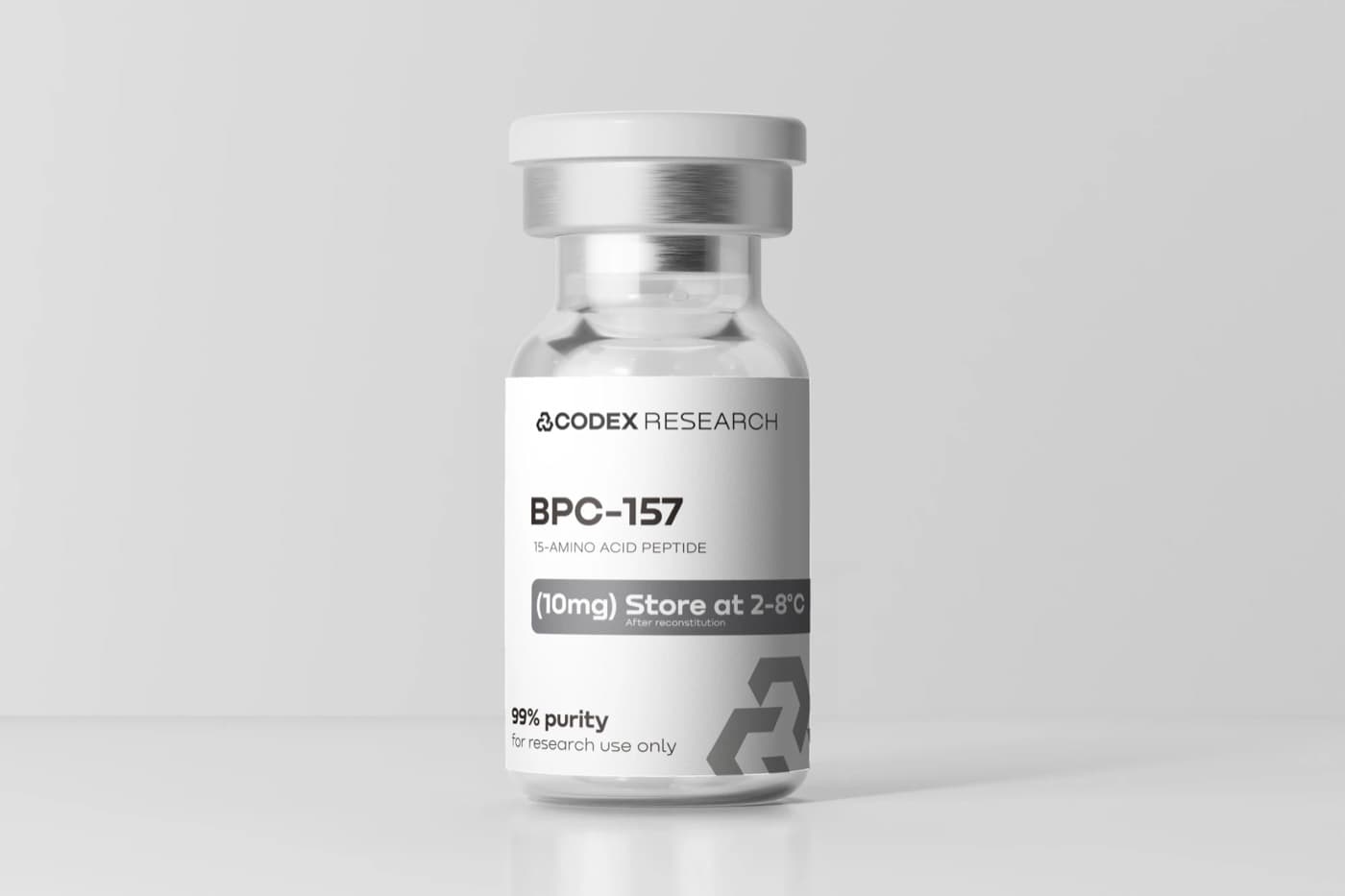
View protocolReconstitution math, U-100 units and doses for a 10 mg vial of BPC-157.
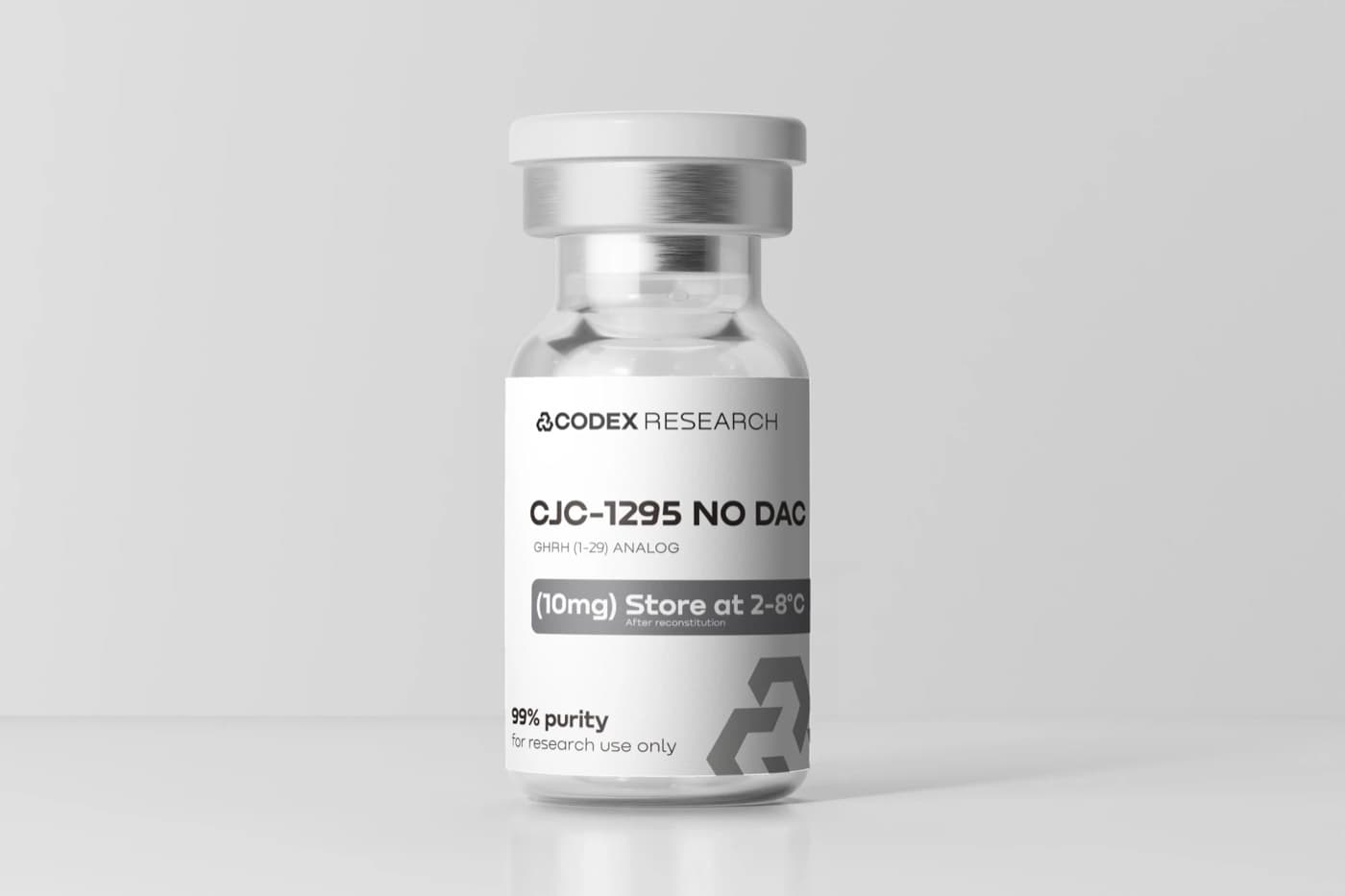
View protocolReconstitution math, U-100 units and doses for a 10 mg vial of CJC-1295.
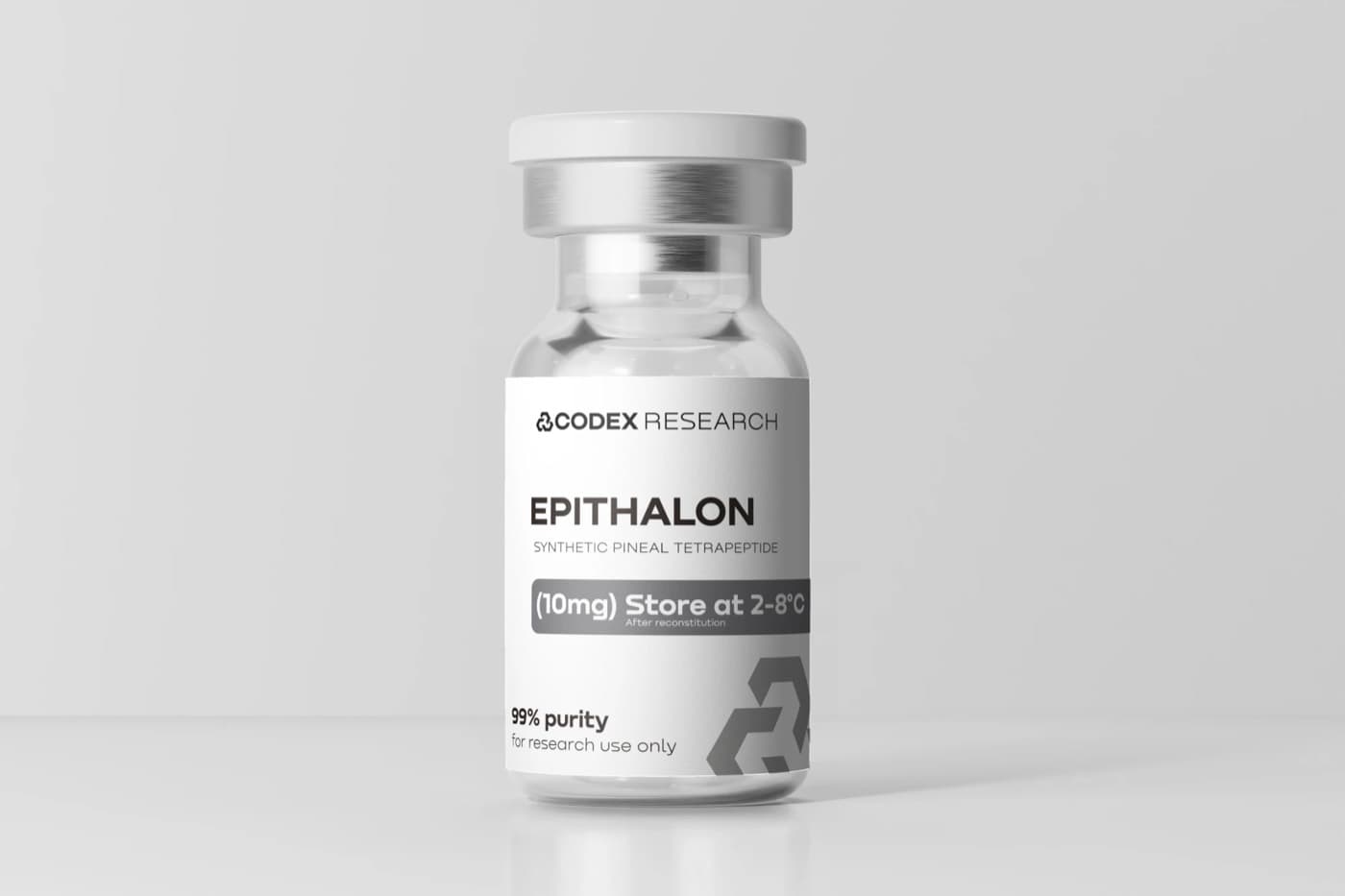
View protocolReconstitution math, U-100 units and doses for a 10 mg vial of Epitalon.
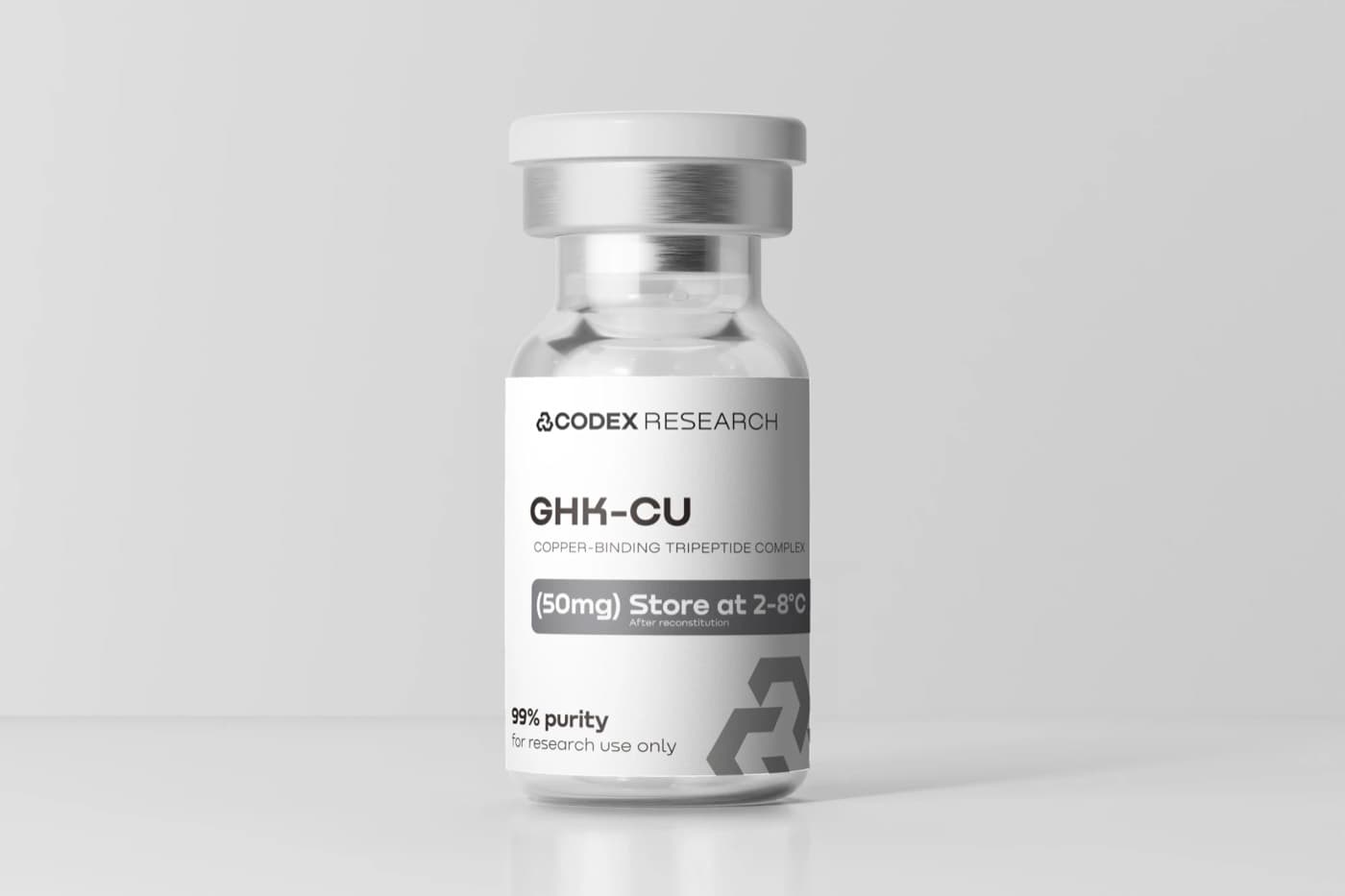
View protocolReconstitution math, U-100 units and doses for a 50 mg vial of GHK-Cu.
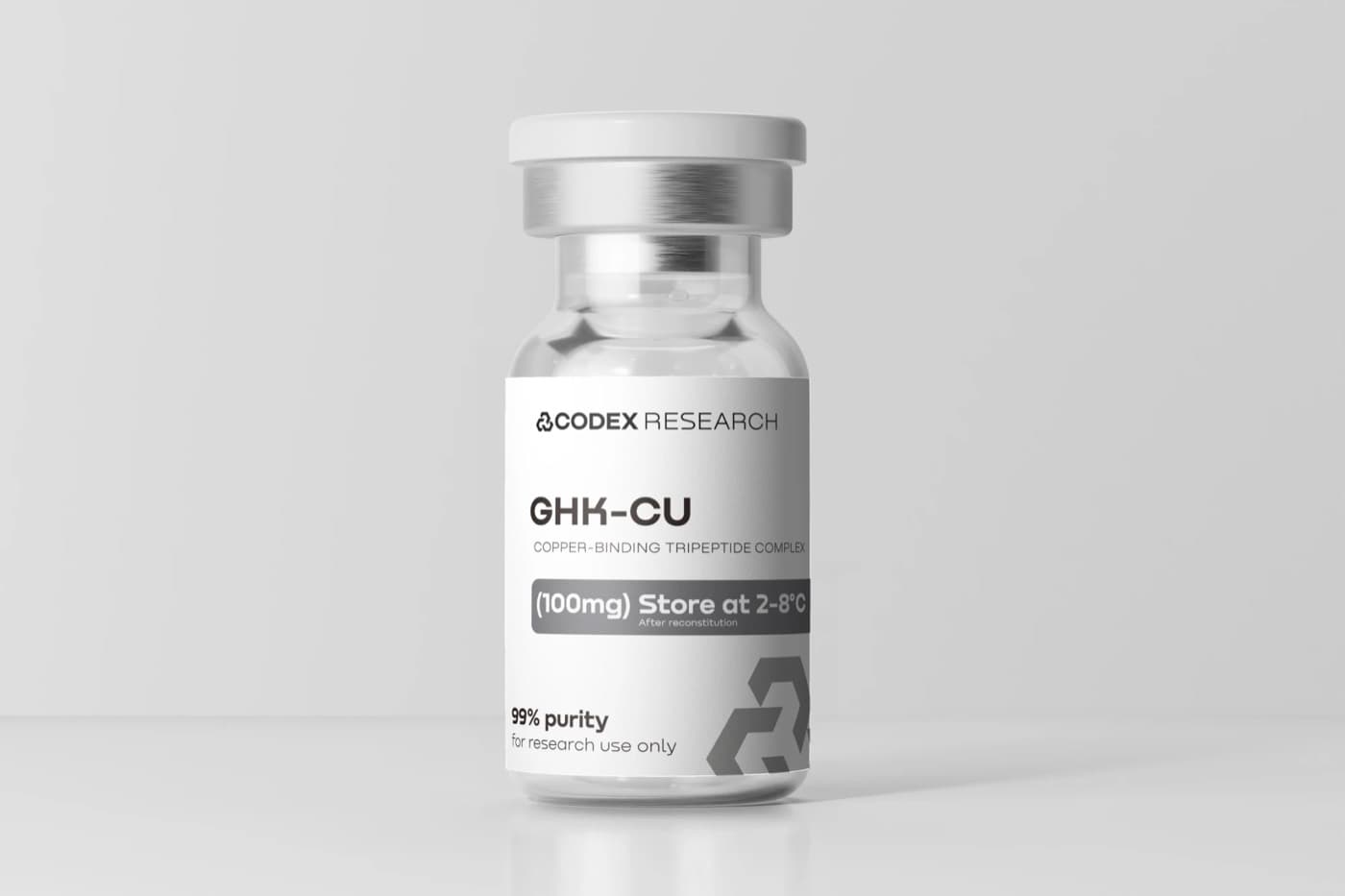
View protocolReconstitution math, U-100 units and doses for a 100 mg vial of GHK-Cu.
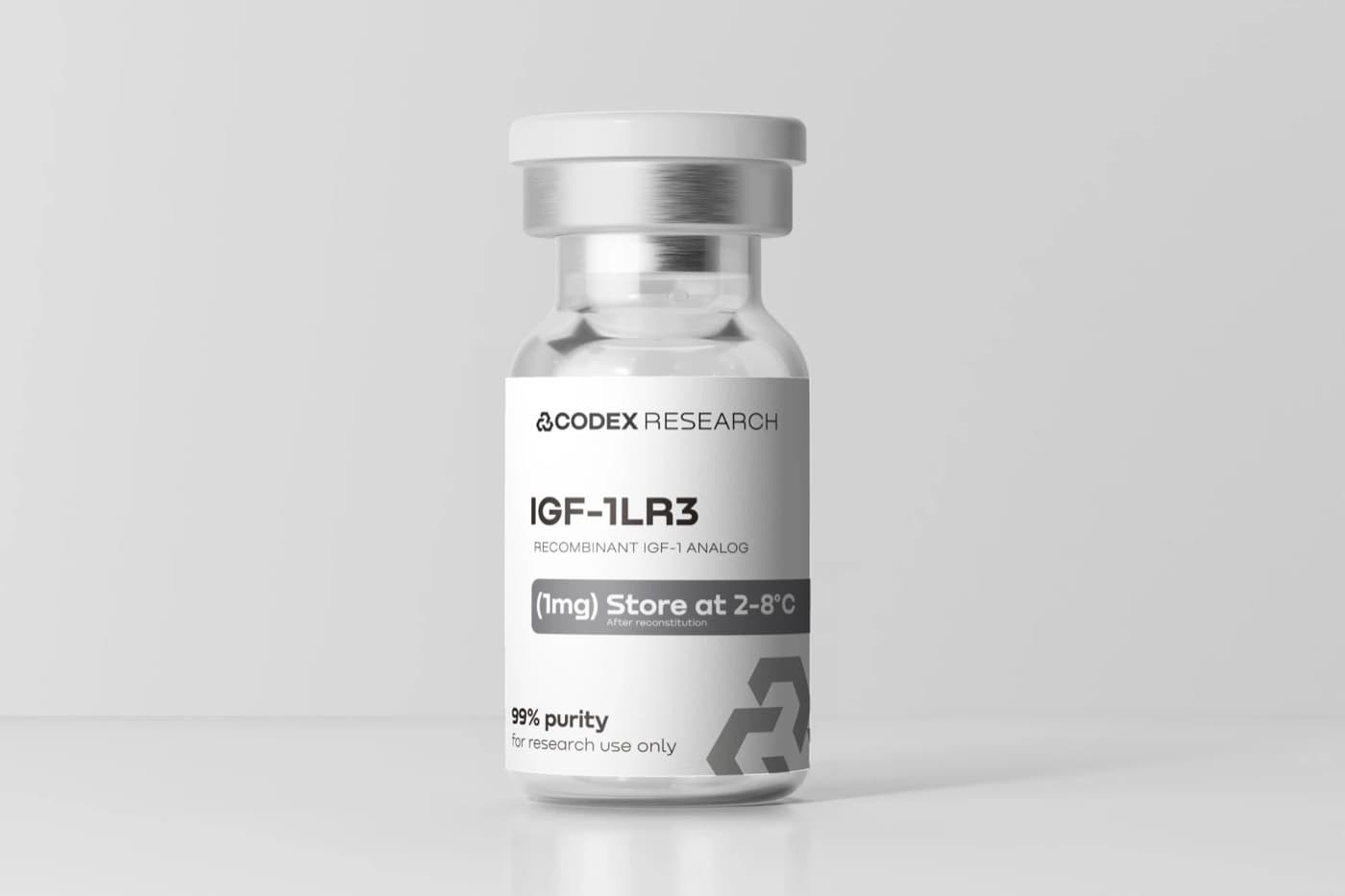
View protocolReconstitution math, U-100 units and doses for a 1 mg vial of IGF-1 LR3.
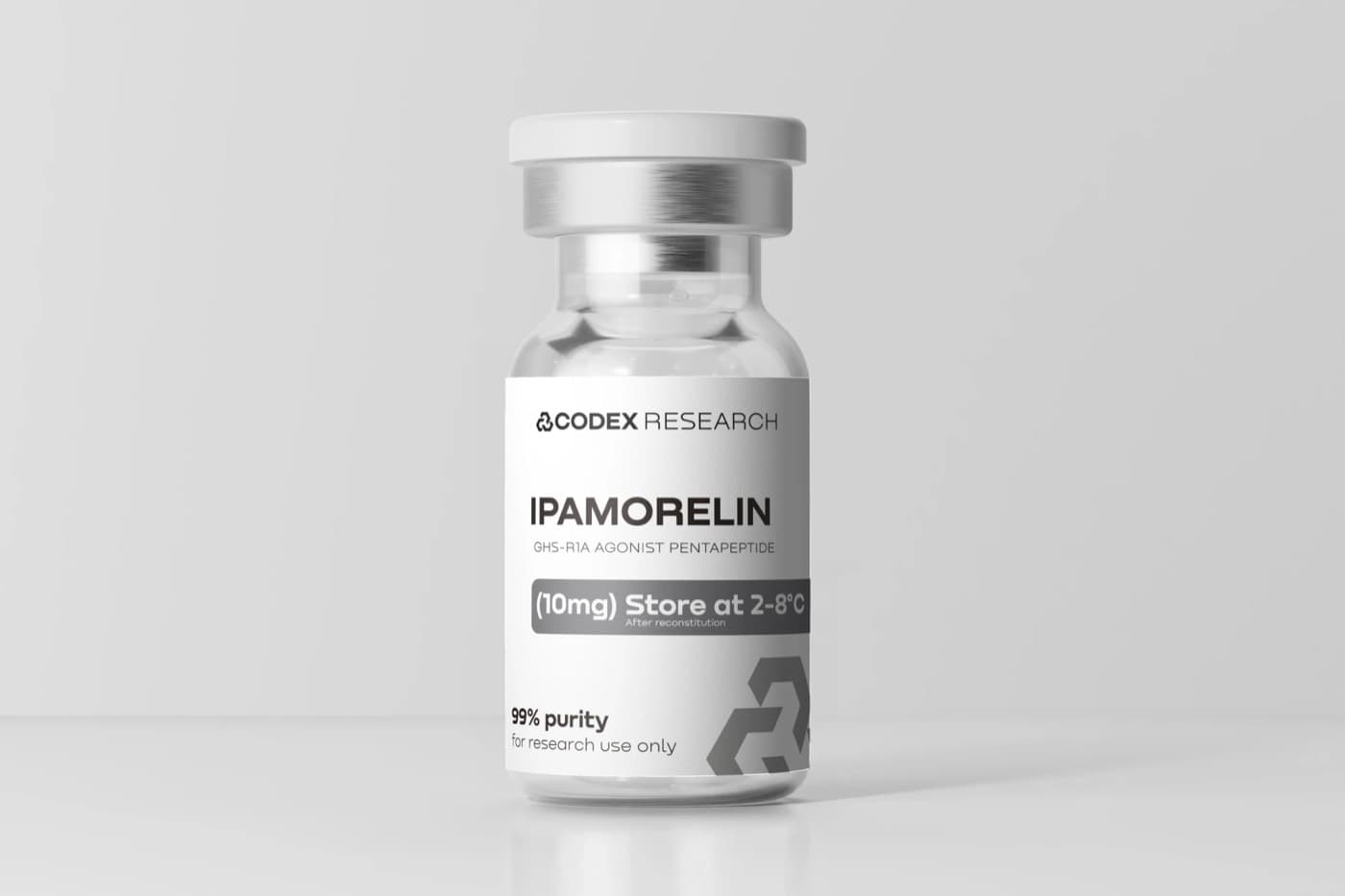
View protocolReconstitution math, U-100 units and doses for a 10 mg vial of Ipamorelin.
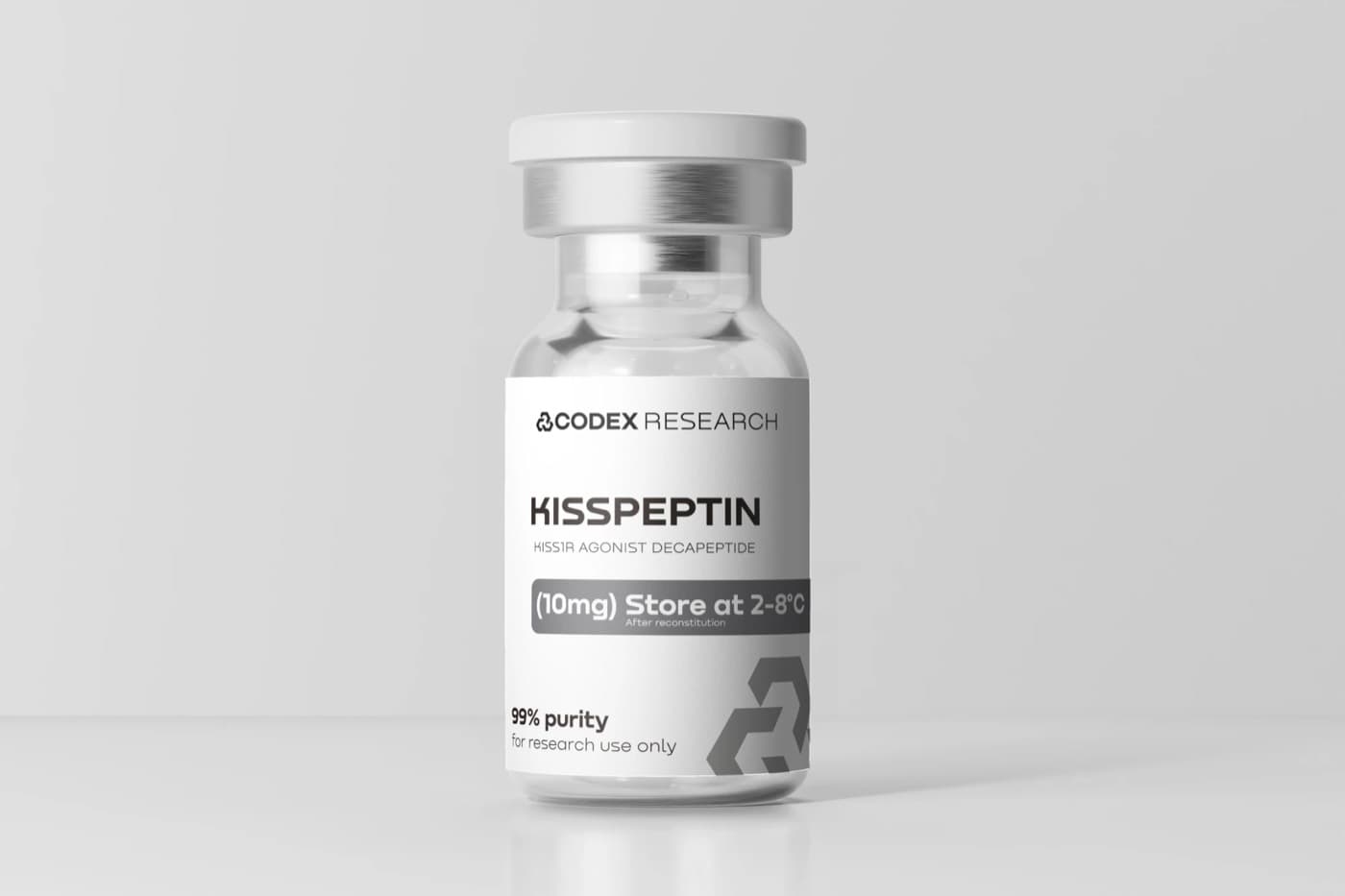
View protocolReconstitution math, U-100 units and doses for a 10 mg vial of Kisspeptin-10.
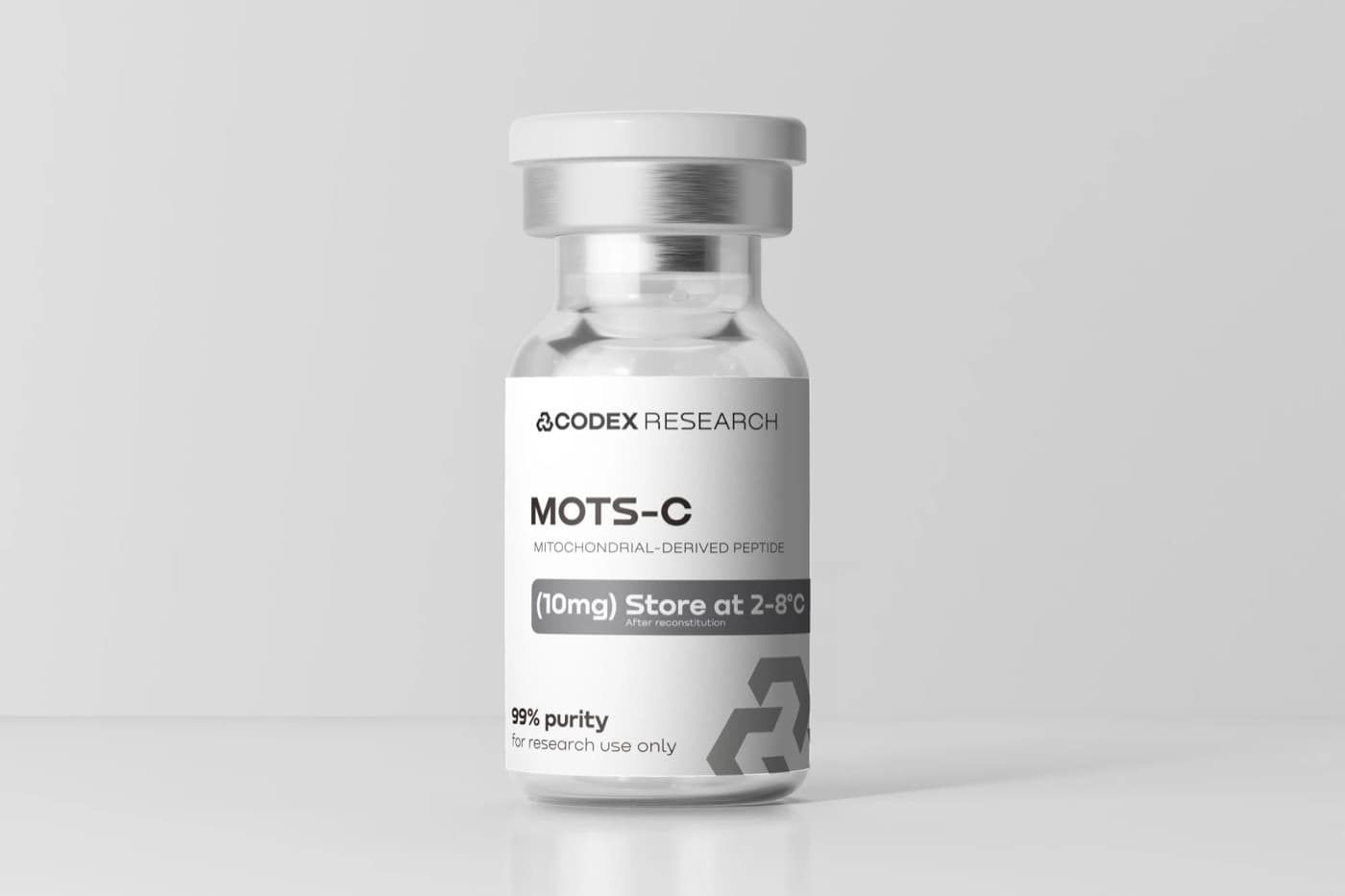
View protocolReconstitution math, U-100 units and doses for a 10 mg vial of MOTS-c.
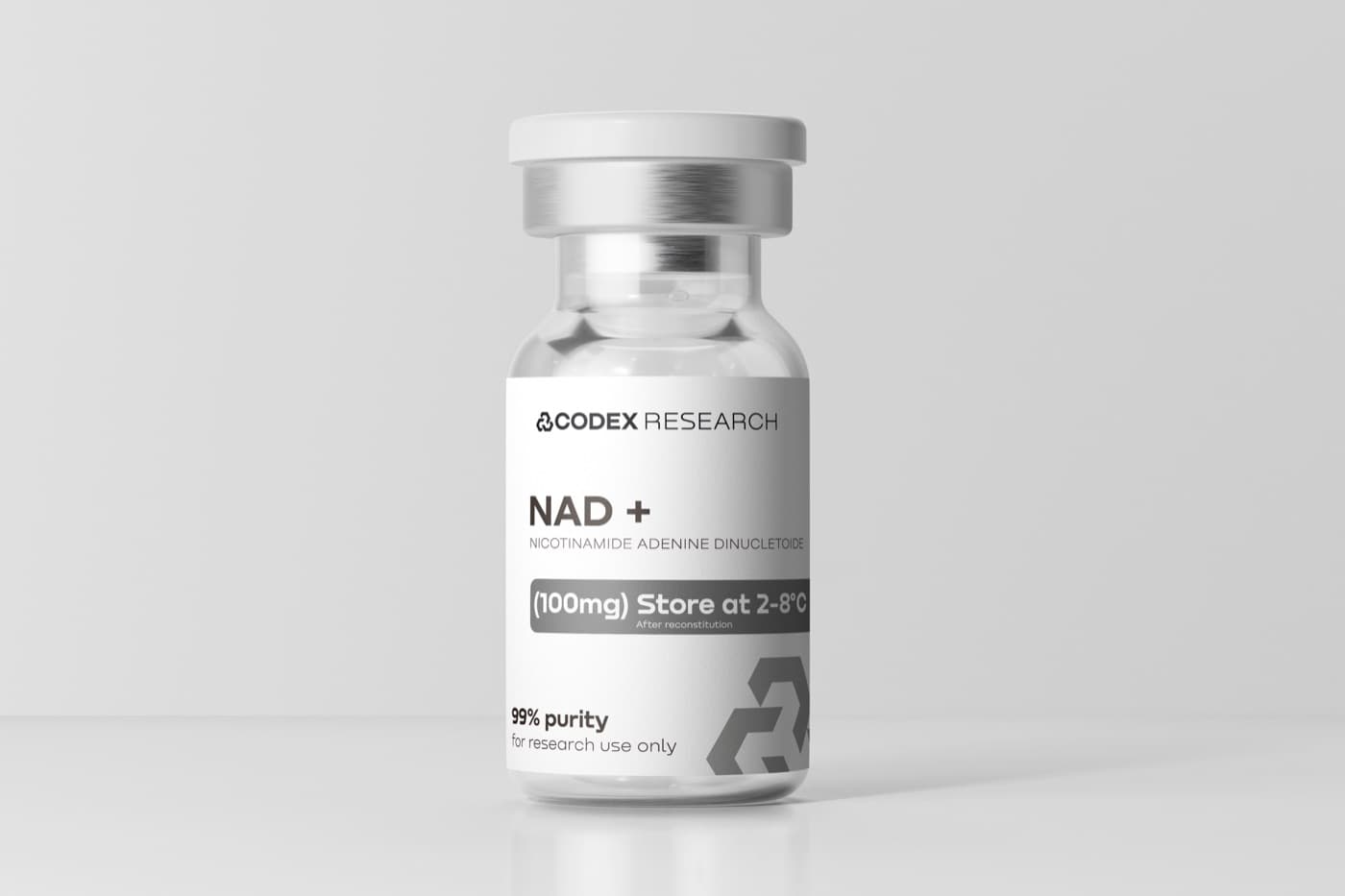
View protocolReconstitution math, U-100 units and doses for a 1,000 mg vial of NAD+.
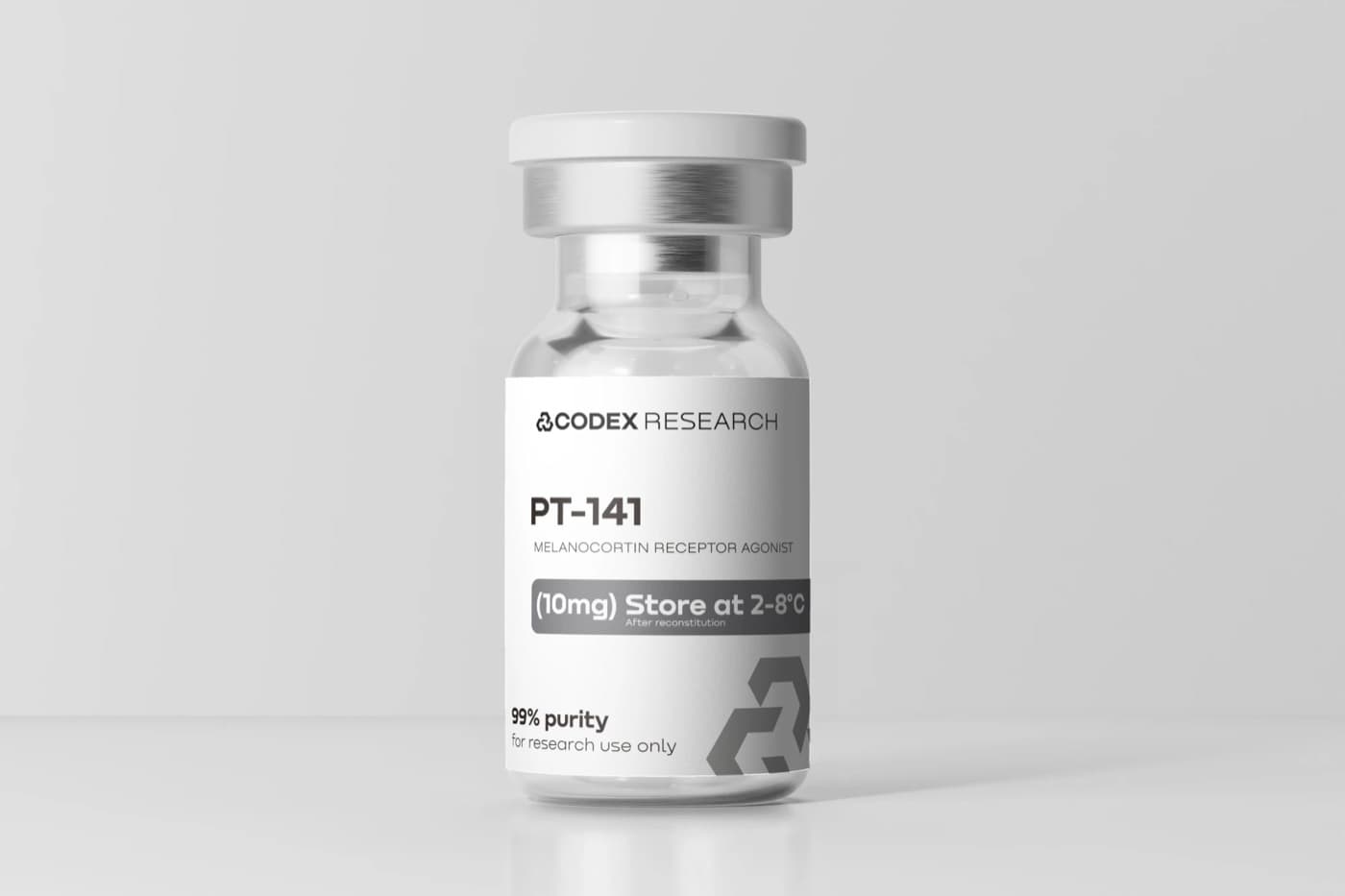
View protocolReconstitution math, U-100 units and doses for a 10 mg vial of PT-141.
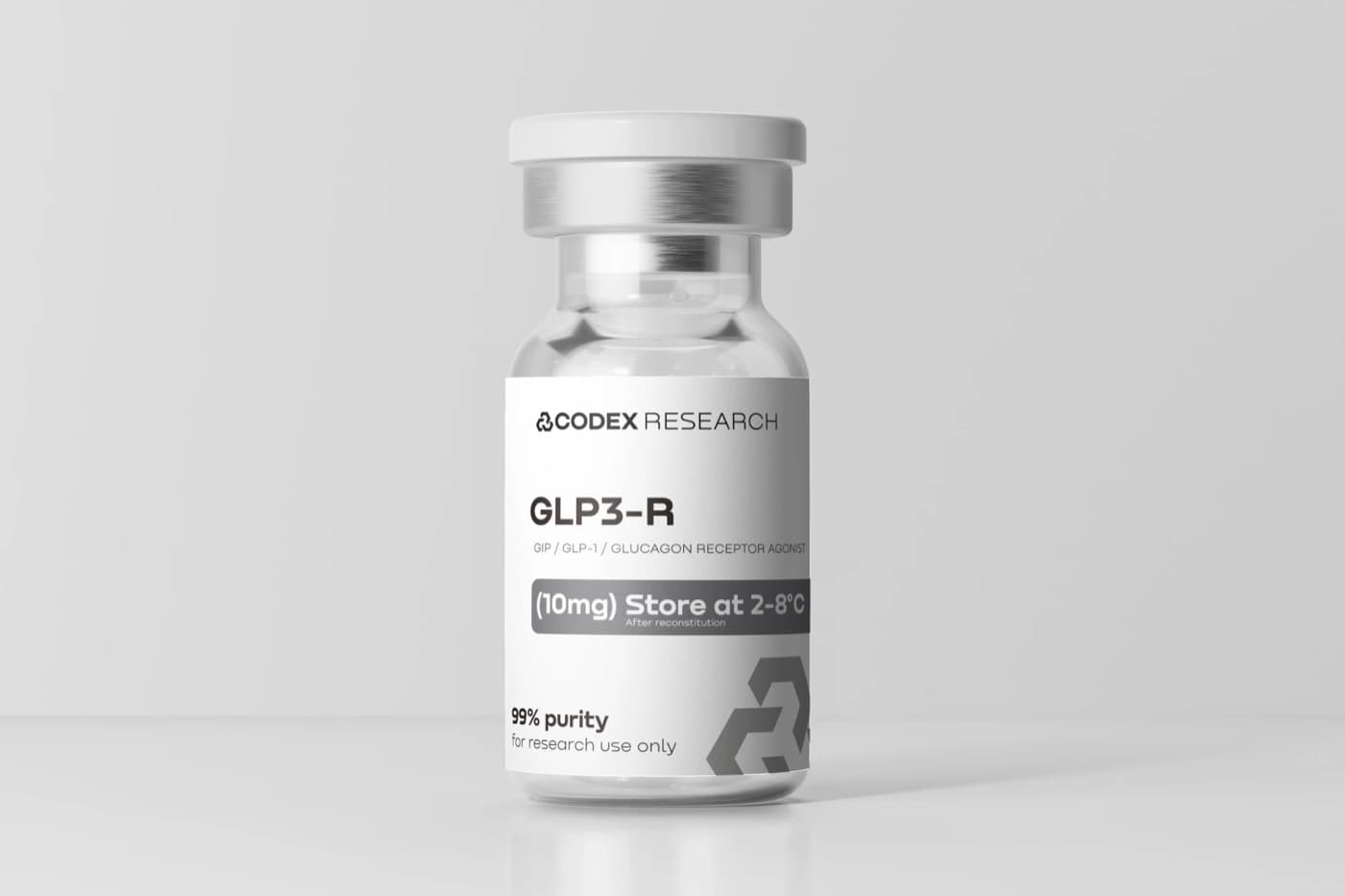
View protocolReconstitution math, U-100 units and doses for a 10 mg vial of Retatrutide.
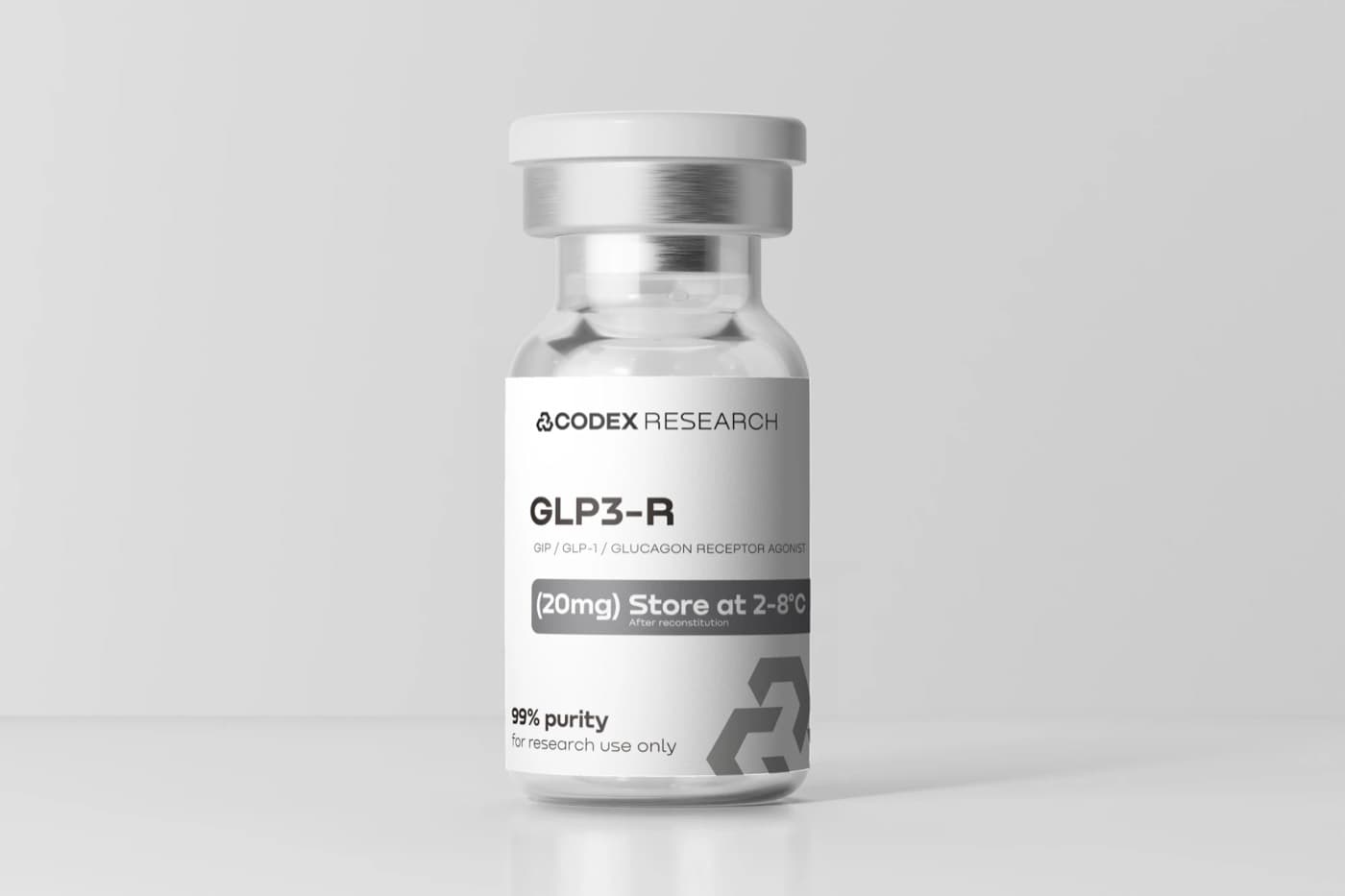
View protocolReconstitution math, U-100 units and doses for a 20 mg vial of Retatrutide.
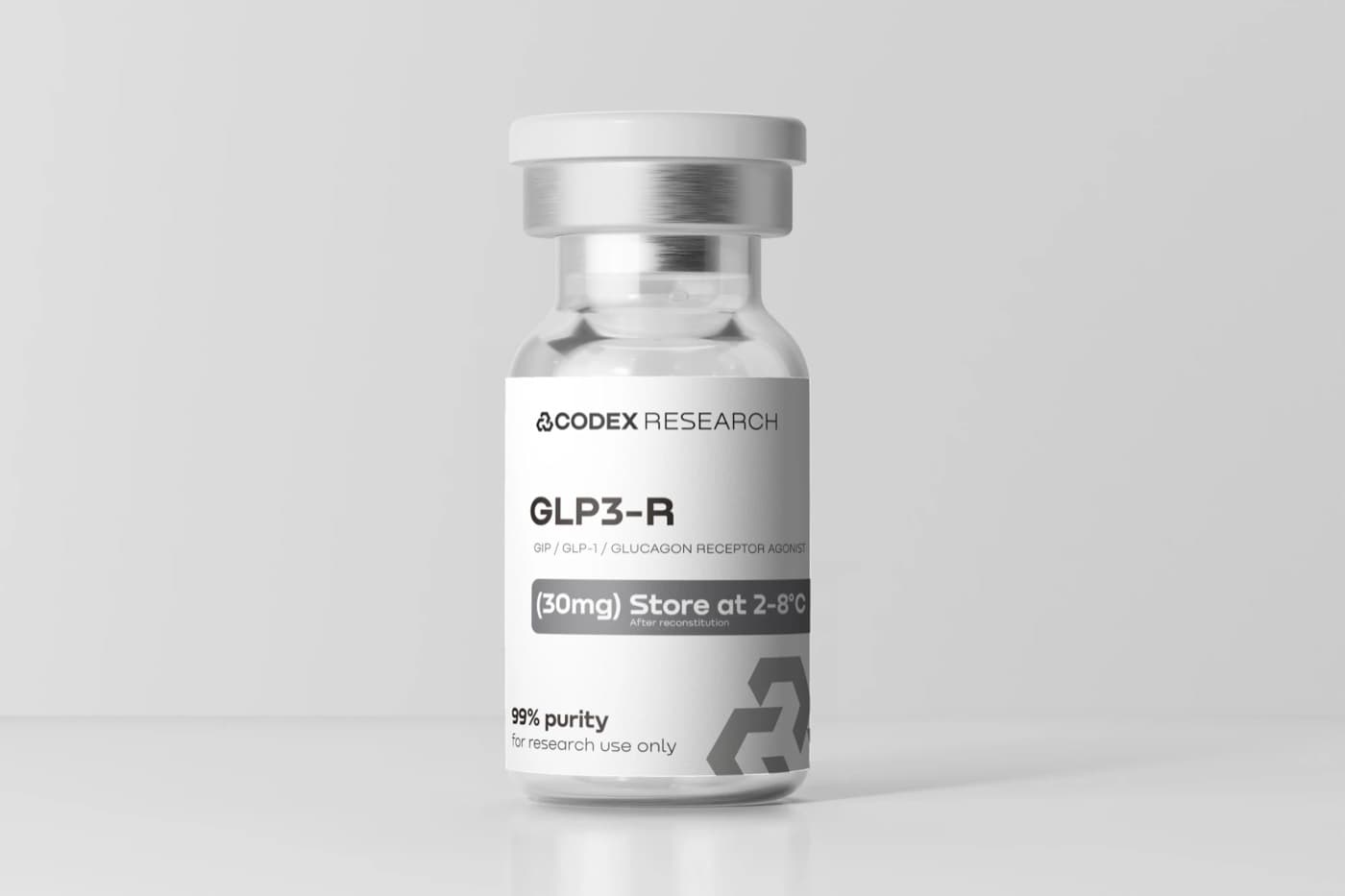
View protocolReconstitution math, U-100 units and doses for a 30 mg vial of Retatrutide.
View protocolSelank is a synthetic seven-amino-acid peptide developed in Russia and studied mainly for anxiety. It is registered as a medicine in Russia but not approved by the FDA, and almost all of its research comes from a few Moscow institutes.
View peptideSemaglutide is a GLP-1 receptor agonist given once a week by injection or once a day by mouth, approved by the FDA for type 2 diabetes and chronic weight management. It has been tested in large randomised trials, including heart, kidney and liver outcome studies.
View peptideSemax is a synthetic seven-amino-acid peptide based on a fragment of the hormone ACTH, developed in Russia and studied for stroke recovery and brain function. It is registered as a medicine in Russia but not approved by the FDA, and its research comes almost entirely from a few Moscow institutes.
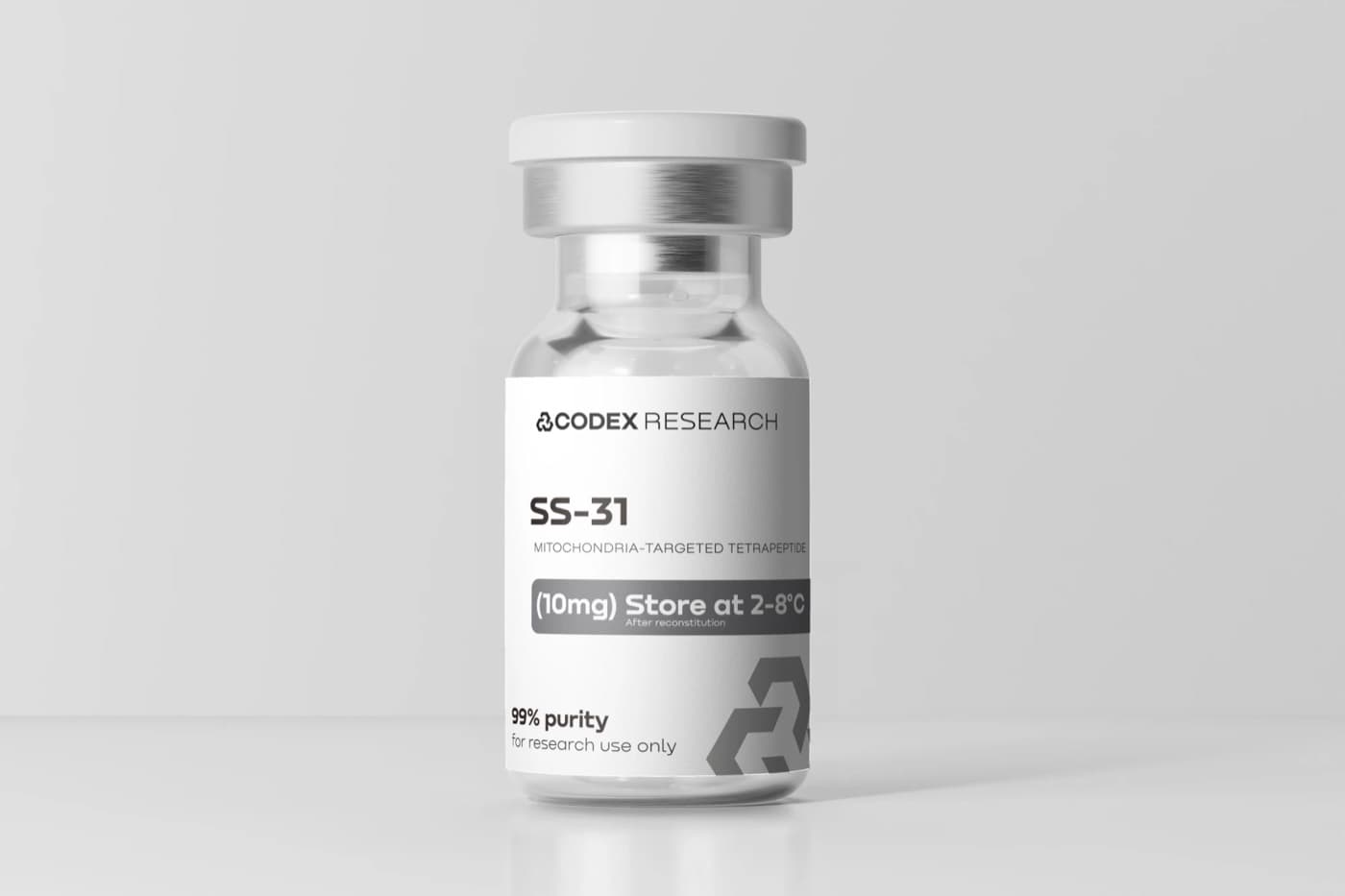
View peptideReconstitution math, U-100 units and doses for a 10 mg vial of SS-31.
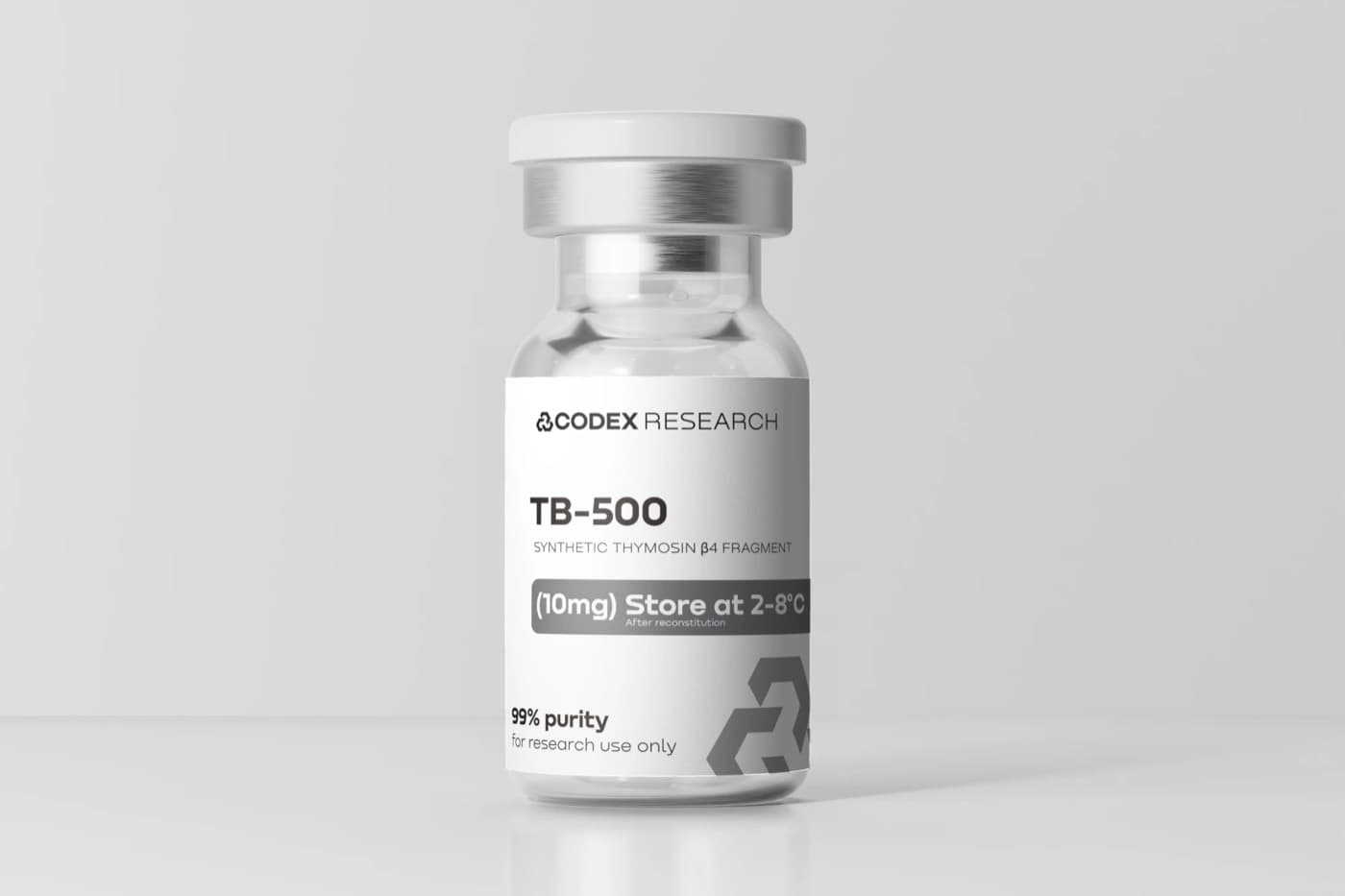
View protocolReconstitution math, U-100 units and doses for a 10 mg vial of TB-500.
View protocolReconstitution math, U-100 units and doses for a 10 mg vial of Tesamorelin.
View protocolReconstitution math, U-100 units and doses for a 20 mg vial of Tesamorelin.
View protocolThymosin alpha-1 is a 28-amino-acid peptide first isolated from the thymus and studied for its effects on the immune system. As thymalfasin (Zadaxin) it is approved in a number of countries, mainly in Asia, but it is not FDA-approved.
View peptideReconstitution math, U-100 units and doses for a 20 mg vial of Tirzepatide.
View protocolResearch and education only. Not medical advice. Many peptides on this site are not approved by the FDA for human use. Doses shown are the ones used in published studies and are not a recommendation. Talk to a licensed clinician before using any of them. Read the full disclaimer.