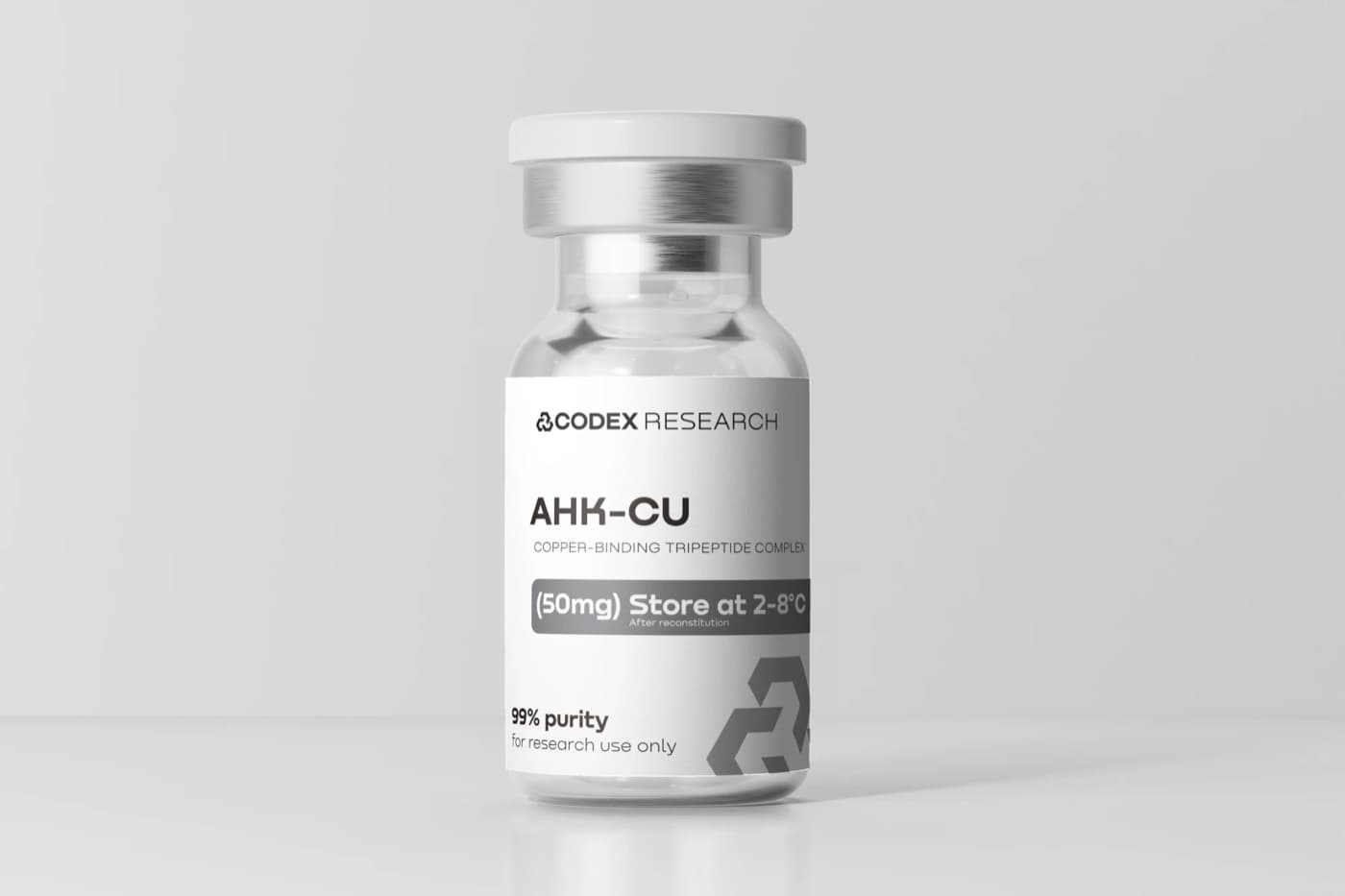
AHK-Cu is a synthetic three-amino-acid peptide (alanine, histidine, lysine) bound to copper, a close relative of GHK-Cu, used mainly in hair and skin cosmetic products. We found only one published study of AHK-Cu itself, done on human hair follicles and cells in the lab, and it is not FDA-approved as a drug.
Not FDA-approved
Limited human data
Also known as Copper tripeptide AHK, Alanyl-histidyl-lysine copper, L-alanyl-L-histidyl-L-lysine-Cu2+
AHK-Cu is made of three amino acids, alanine, histidine and lysine, bound to a copper ion. It differs from the better-known copper peptide GHK-Cu by a single amino acid: alanine in place of glycine. Early work on GHK noted that several tripeptides sharing the histidine-lysine pair behaved similarly in cell culture (Pickart 1980), which is part of why related copper peptides were explored.
In practice, AHK-Cu appears mostly in topical hair-care and skincare products marketed for thinning hair. The research base is very thin. Searching PubMed, we found one study on AHK-Cu itself, from a dermatology group at Seoul National University, which tested it on human hair follicles kept alive in the lab and on cultured hair-root cells (Pyo 2007). We also found one cell study of a different molecule built from the same three amino acids, linked to vitamin C and without copper (Jung 2018).
We could not find any animal study, human trial, or study of injected AHK-Cu. Claims that it regrows hair or repairs skin in people are not supported by published evidence that we could locate.
Type: synthetic tripeptide (alanine-histidine-lysine) bound to copper; a close relative of GHK-Cu.
Studied for: hair follicle growth, in the lab only.
Strongest evidence: one lab study on human hair follicles and cells. No animal or human studies found.
Legal status: used as a cosmetic ingredient; not approved as a drug in the US.
02
AHK-Cu protocols and supplies
Schedules reported for this peptide, with the syringe measure for each step and the supplies each one takes. Reported use is not evidence that a schedule works or is safe, and none of this is medical advice.
1 mg once daily
Subcutaneous injection, once a day
Community-reported
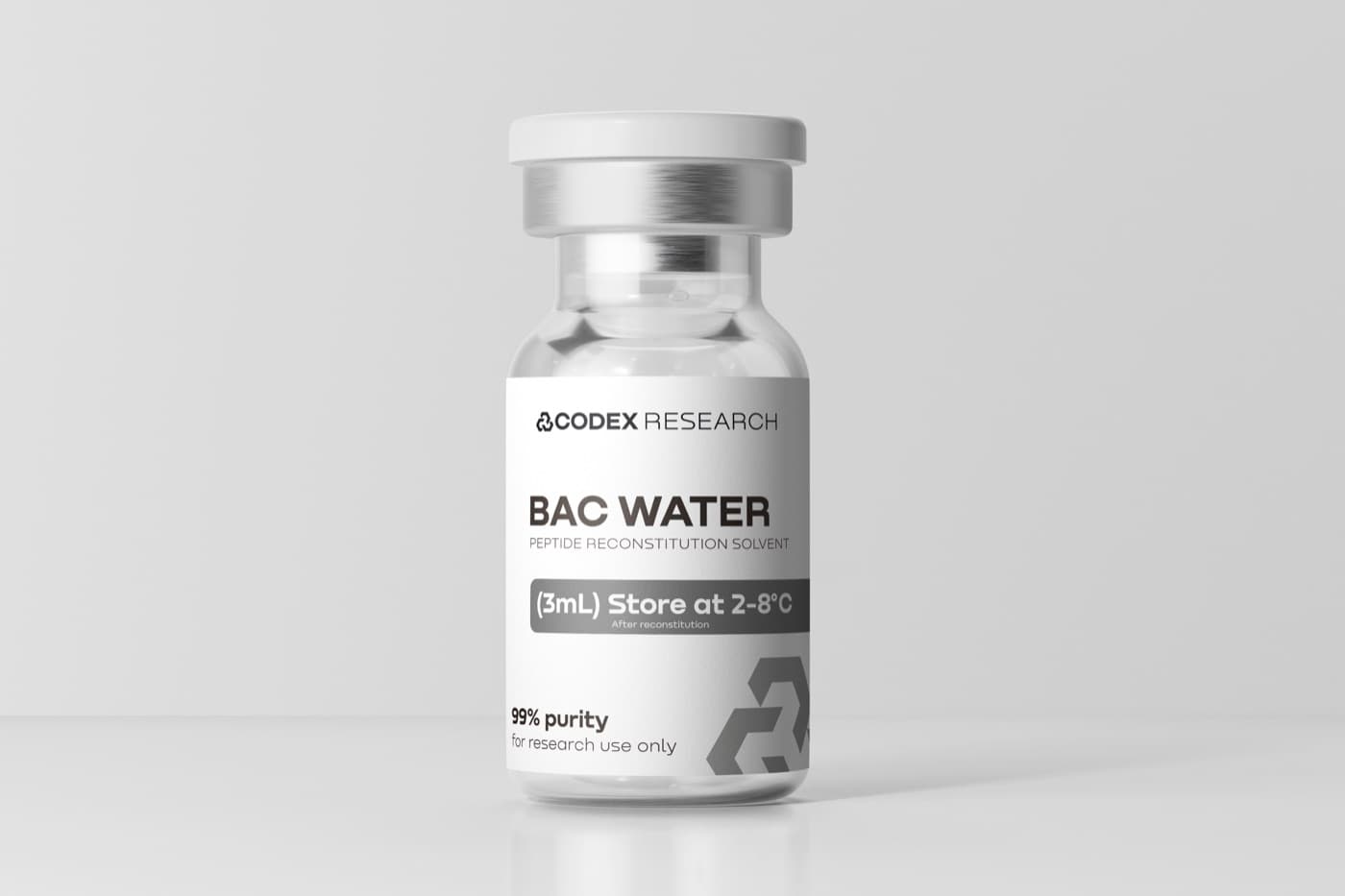
Reported in the research community. It has not been tested as a schedule in human trials. Worked out with a 50 mg vial + 3 mL bacteriostatic water (16.7 mg/mL, 167 mcg per unit).
Amounts as reported, with the syringe or spray measure for the vial below. Not a recommendation.
Period
Amount each time
U-100 units
Volume
Week 1 on
1 mg
6
0.06 mL
Minimum supplies, worked out from the amounts above. Add a margin for losses.
Item
8 weeks
12 weeks
Injections
56
84
Total peptide
56 mg
84 mg
AHK-Cu vials (50 mg)
2
2
Bacteriostatic water
6 mL
6 mL
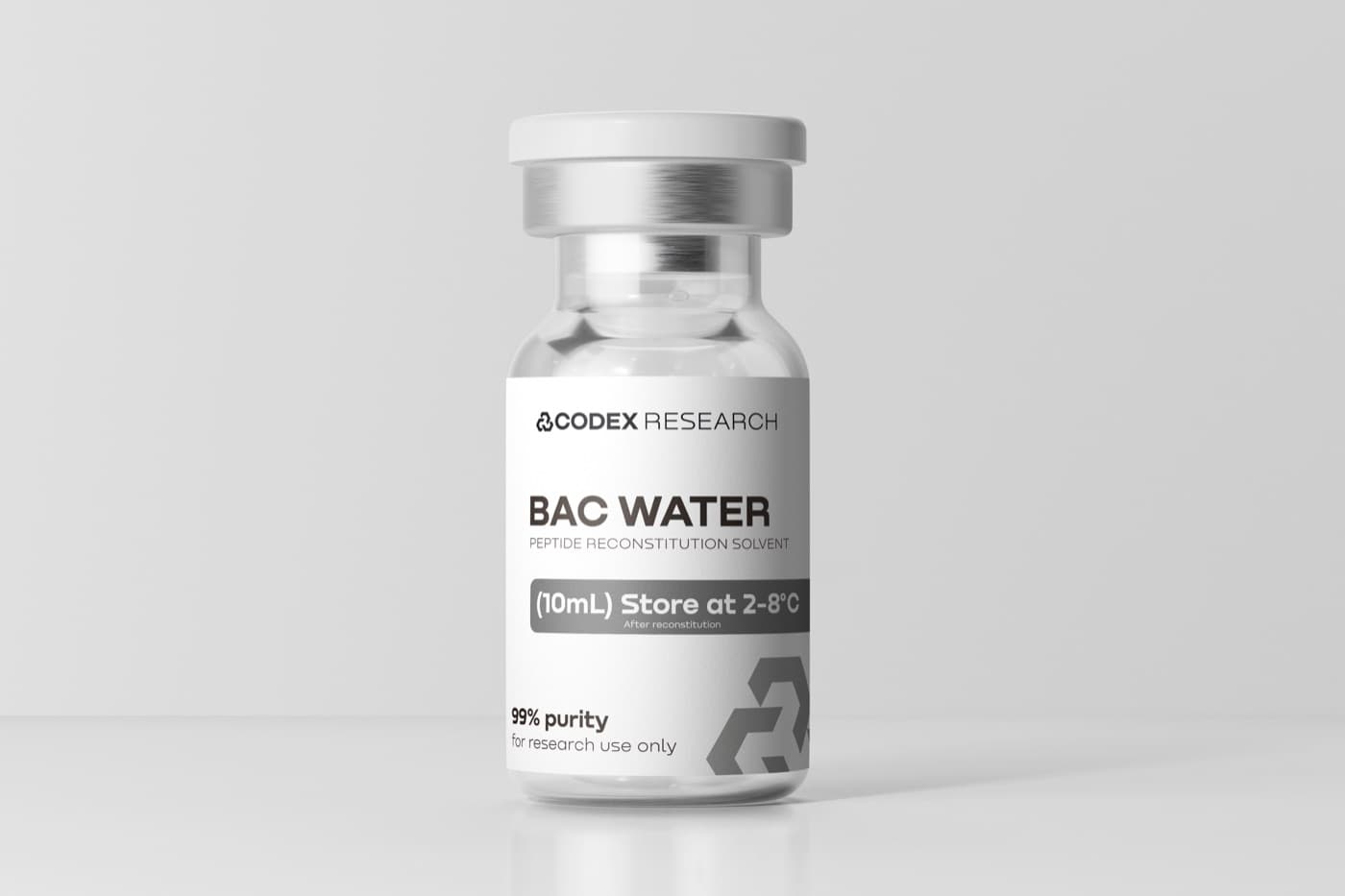
Water bottles (10 mL)
1
1
U-100 insulin syringes
56
84
Alcohol swabs (boxes of 100)
112 (2)
168 (2)
2 mg once daily
Subcutaneous injection, once a day
Community-reported
Reported in the research community. It has not been tested as a schedule in human trials. Worked out with a 50 mg vial + 3 mL bacteriostatic water (16.7 mg/mL, 167 mcg per unit).
Amounts as reported, with the syringe or spray measure for the vial below. Not a recommendation.
Period
Amount each time
U-100 units
Volume
Week 1 on
2 mg
12
0.12 mL
Minimum supplies, worked out from the amounts above. Add a margin for losses.
Item
8 weeks
12 weeks
Injections
56
84
Total peptide
112 mg
168 mg
AHK-Cu vials (50 mg)
3
4
Bacteriostatic water
9 mL
12 mL
Water bottles (10 mL)
1
2
U-100 insulin syringes
56
84
Alcohol swabs (boxes of 100)
112 (2)
168 (2)
03
AHK-Cu doses used in studies
The dose each published study gave its participants, copied from the paper. Not dosing instructions; animal doses do not convert directly to people.
At a glance: 2 studies report a dose (2 in cells).
Doses as reported by each study. Not a recommendation.
What has been studied, by type of evidence. A result in animals or cells is a reason to study something in people, not proof that it works in people.
In humans
Summarised
We could not find any published study of AHK-Cu in people, whether applied to the skin or scalp or injected. The only work using human material was done on hair follicles and cells outside the body (see below), which is not a human trial.
In animals
Nothing yet
No summary in our library yet. We only publish one after checking it against the original papers.
In cells (in vitro)
Summarised
Hair follicles
Human hair follicles kept alive in culture grew longer when exposed to very low concentrations of AHK-Cu, and dermal papilla cells (the cells at the base of the follicle that control hair growth) multiplied more. At the highest concentration tested, signs of cell death were lower, although the drop in dying cells was not statistically significant (Pyo 2007).
A related molecule without copper
A vitamin C-linked AHK peptide, which contains no copper, helped mouse muscle-derived cells turn into bone-forming cells in culture (Jung 2018). Because it is a different molecule, this result cannot be applied to AHK-Cu.
Proposed mechanisms from cell and animal studies. A plausible mechanism is not evidence of an effect in people.
Only one study looked at how AHK-Cu might act, and only in cells:
More hair-root cells: AHK-Cu increased the growth of dermal papilla cells in culture (Pyo 2007).
Less programmed cell death: it raised the ratio of the survival protein Bcl-2 to the cell-death protein Bax and lowered the active forms of caspase-3 and PARP, markers of programmed cell death (Pyo 2007).
06
Reconstitution
How concentration changes with the amount of liquid added. A U-100 insulin syringe holds 1 mL in 100 units, so each unit is 0.01 mL. Step-by-step guide.
Step by step
Wash your hands and work on a clean, uncluttered surface. Let a refrigerated vial reach room temperature so the stopper is easier to pierce.
Wipe the rubber stopper of the peptide vial and of the bacteriostatic water with a fresh alcohol swab, and let them air-dry.
Draw the chosen volume of bacteriostatic water into a sterile syringe. With 2 mL, a 50 mg vial ends up at 25,000 mcg/mL, or 250 mcg per U-100 unit.
Insert the needle through the stopper and let the water run slowly down the inside wall of the vial, not straight onto the powder.
Swirl or roll the vial gently until the powder dissolves. Do not shake it: foaming can damage some peptides.
Check the solution against the light. It should be clear; cloudiness or particles mean something is wrong with the vial or the water.
Write the date and the volume of water on the label. Every unit calculation later depends on that volume.
Store the reconstituted AHK-Cu vial in the refrigerator, away from light.
Concentration by volume
A 50 mg vial: concentration after adding the liquid, and how much peptide each U-100 unit (0.01 mL) holds.
Arithmetic only. It assumes the vial holds exactly what the label says.
Concentration
25,000 mcg/mL
Per U-100 unit
250 mcg
Volume for your amount
—
07
Measuring with a U-100 syringe
What each mark on an insulin syringe holds once the vial is mixed. This is arithmetic, not a dose.
Reading a U-100 syringe: how much peptide each mark holds in a 50 mg vial mixed with 2 mL. Not a dose.
Syringe mark
Volume
Peptide in that volume
5 units
0.05 mL
1.25 mg
10 units
0.1 mL
2.5 mg
20 units
0.2 mL
5 mg
25 units
0.25 mL
6.25 mg
50 units
0.5 mL
12.5 mg
100 units
1 mL
25 mg
A U-100 insulin syringe holds 1 mL in 100 units, so each unit is 0.01 mL. The marks measure volume, not peptide.
Syringes come in 0.3 mL (30 units), 0.5 mL (50 units) and 1 mL (100 units) sizes. The smaller ones have finer marks and are easier to read for small volumes.
Read the volume at the top edge of the plunger's rubber seal, at eye level.
Tap out air bubbles before reading: a bubble takes up volume and makes the reading wrong.
Use a new sterile syringe and needle every time, and dispose of them in a sharps container.
08
Supplies
What reconstituting and measuring a vial takes.
The peptide vial, with its certificate of analysis (COA) for that batch. See how to read a COA.
Bacteriostatic water (water with 0.9% benzyl alcohol), which keeps a multi-use vial from growing bacteria. Sterile water has no preservative.
Sterile syringes to add the water, and U-100 insulin syringes to measure.
Alcohol swabs for the stoppers.
A sharps container for used needles.
A label or marker to write the date and the volume of water on the vial.
09
Side effects, safety and legal status
There are no published human safety data for AHK-Cu, and none on injected use. Its use in cosmetic products is not the same as evidence of safety, because cosmetics are not reviewed by the FDA before sale.
Very limited evidence: one lab study does not show what happens on a real scalp or in the body.
Product quality: AHK-Cu sold online, especially for injection, is not checked by any regulator for identity, purity, dose or sterility.
Copper: the peptide carries copper. We could not find studies on what repeated use does to copper levels in the body.
Injection risks: any injected product that is not sterile can cause infection or abscesses.
FDA
Used in cosmetics. Not FDA-approved as a drug.
Status checked on
Oct 26, 2026
10
Storing AHK-Cu
Before mixing
Freeze-dried (lyophilised) peptide is the most stable form. It is usually kept refrigerated, or frozen for long storage, sealed and away from light.
Heat, moisture and light speed up degradation. Keep the vial in its box and avoid leaving it in a car or by a window.
After mixing
Keep the reconstituted vial refrigerated and away from light. Do not freeze it again: freezing and thawing a solution can break the peptide down.
How long a mixed vial stays good depends on the peptide and the diluent, and for most research peptides there is no published stability data. Follow the supplier's guidance and discard any vial that turns cloudy.
Pierce the stopper as few times as possible, and always with a new sterile needle after wiping it with alcohol.
Write the volume of water on the label (for example "2 mL"). Without it, the unit calculations cannot be checked later.
11
Questions about AHK-Cu
Is AHK-Cu FDA-approved?
Used in cosmetics. Not FDA-approved as a drug.
What doses of AHK-Cu have been studied?
Our library has 2 studies on AHK-Cu. The doses each one used are in section 03, next to the study. They are not dosing instructions.
How much AHK-Cu is in each syringe unit?
It depends on how much liquid is added to the vial. For a 50 mg vial with 2 mL, each U-100 unit holds 250 mcg. The reconstitution table and calculator work it out for other volumes.
How is AHK-Cu different from GHK-Cu?
They differ by one amino acid: AHK-Cu has alanine where GHK-Cu has glycine. GHK-Cu occurs naturally in human plasma and has far more research, including small human trials of topical products. AHK-Cu has only one published lab study that we could find.
Does AHK-Cu regrow hair?
We do not know. In one lab study it made human hair follicles grow longer in culture. No animal or human study of hair growth with AHK-Cu has been published that we could find.
How much bacteriostatic water goes into a 50 mg AHK-Cu vial?
There is no single correct volume: it only changes the concentration. For a 50 mg vial, 1 mL gives 50,000 mcg/mL, 2 mL gives 25,000 mcg/mL, 3 mL gives 16,667 mcg/mL. More water makes small amounts easier to measure; less water keeps volumes small. Whatever volume is used, write it on the label.
What does one unit on an insulin syringe mean?
On a U-100 syringe, 100 units = 1 mL, so one unit is 0.01 mL. How much peptide that holds depends on the concentration of the vial, which depends on how much water was added.
Can doses from animal studies of AHK-Cu be converted to people?
No. Animal doses are reported per kilogram for a different species, and scaling them to people is not reliable. That is why Upzo shows each study dose next to its study, unconverted.
How should AHK-Cu be stored?
Unopened freeze-dried vials are usually kept refrigerated and away from light. Once mixed, keep the vial refrigerated and follow the supplier's guidance on how long it lasts.
12
References
The effect of tripeptide-copper complex on human hair growth in vitro. Pyo HK, Yoo HG, Won CH, et al. Archives of Pharmacal Research. 2007;30:834-839. doi:10.1007/BF02978833
Vitamin C-linker-conjugated tripeptide AHK stimulates BMP-2-induced osteogenic differentiation of mouse myoblast C2C12 cells. Jung JI, Park KY, Lee Y, et al. Differentiation. 2018;101:1-7. doi:10.1016/j.diff.2018.03.001
Research supplier
For laboratory research use only.
Codex Research LabShips from Panama City · US domestic shipping
Research and education only. Not medical advice. Many peptides on this site are not approved by the FDA for human use. Doses shown are the ones used in published studies and are not a recommendation. Talk to a licensed clinician before using any of them. Read the full disclaimer.