GHK-Cu is a three-amino-acid peptide (glycine, histidine, lysine) bound to copper that occurs naturally in human plasma and is widely used as a cosmetic skincare ingredient. Its human evidence comes from small studies of products applied to the skin; injected GHK-Cu has no published human trials that we could find, and it is not FDA-approved as a drug.
Not FDA-approved
Human trials
Also known as Copper peptide, Copper tripeptide-1, Glycyl-L-histidyl-L-lysine copper, GHK copper complex, Iamin
GHK is a tiny peptide of three amino acids (glycine, histidine and lysine) that binds copper tightly; with copper attached it is called GHK-Cu. It was described in human plasma in the 1970s and 1980s by Loren Pickart, who reported that it formed complexes with copper and helped cultured cells take up the metal (Pickart 1980). The same sequence occurs inside type I collagen, which led researchers to suggest it may be released when tissue is damaged (Maquart 1988).
In the 1990s the company ProCyte developed a GHK-Cu wound gel called Iamin, tested in people with diabetic foot ulcers (Mulder 1994) and in animals (Canapp 2003). We could not find evidence that it was ever approved as a drug. Today GHK-Cu is mainly a cosmetic ingredient in creams and serums, and it is also sold online as an injectable by peptide vendors.
Those two uses need to be kept apart. The human studies we found all applied GHK-Cu to the skin or to wounds. We could not find any published human trial of injected GHK-Cu, so claims about injections rest on cell and animal work. Much of the review literature comes from Pickart and his collaborators, whose listed affiliation is a company called Skin Biology (Pickart 2018).
Type: natural tripeptide (glycine-histidine-lysine) bound to copper.
Studied for: wound healing, skin repair and ageing skin; lab work on gene activity and lung tissue.
Strongest evidence: small human trials of topical products, with mixed results. No human data on injection.
Legal status: used as a cosmetic ingredient; not approved as a drug in the US.
02
GHK-Cu protocols and supplies
Schedules reported for this peptide, with the syringe measure for each step and the supplies each one takes. Reported use is not evidence that a schedule works or is safe, and none of this is medical advice.
Gradual, 5 days a week
Subcutaneous injection, 5 times a week
Community-reported
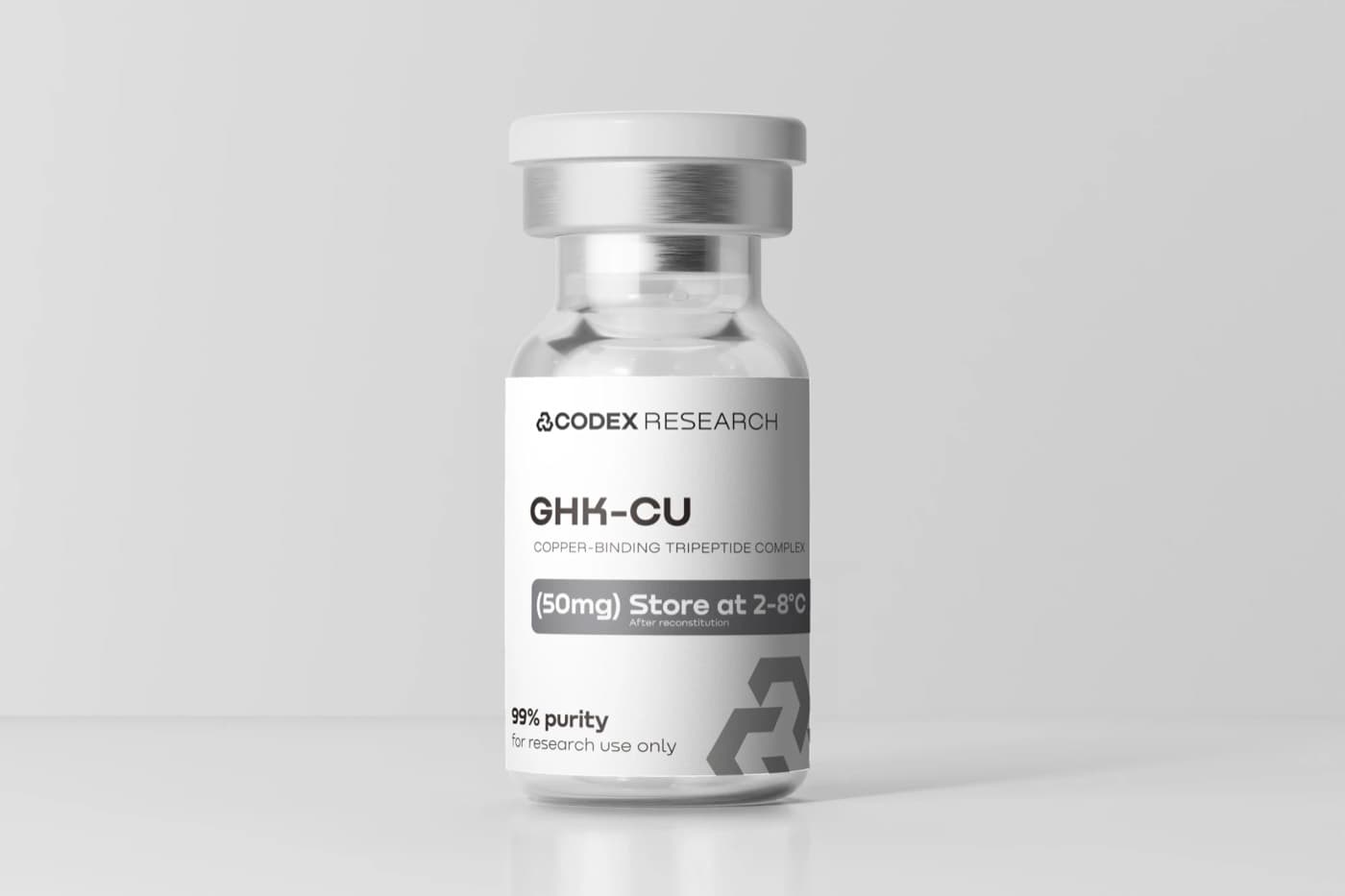
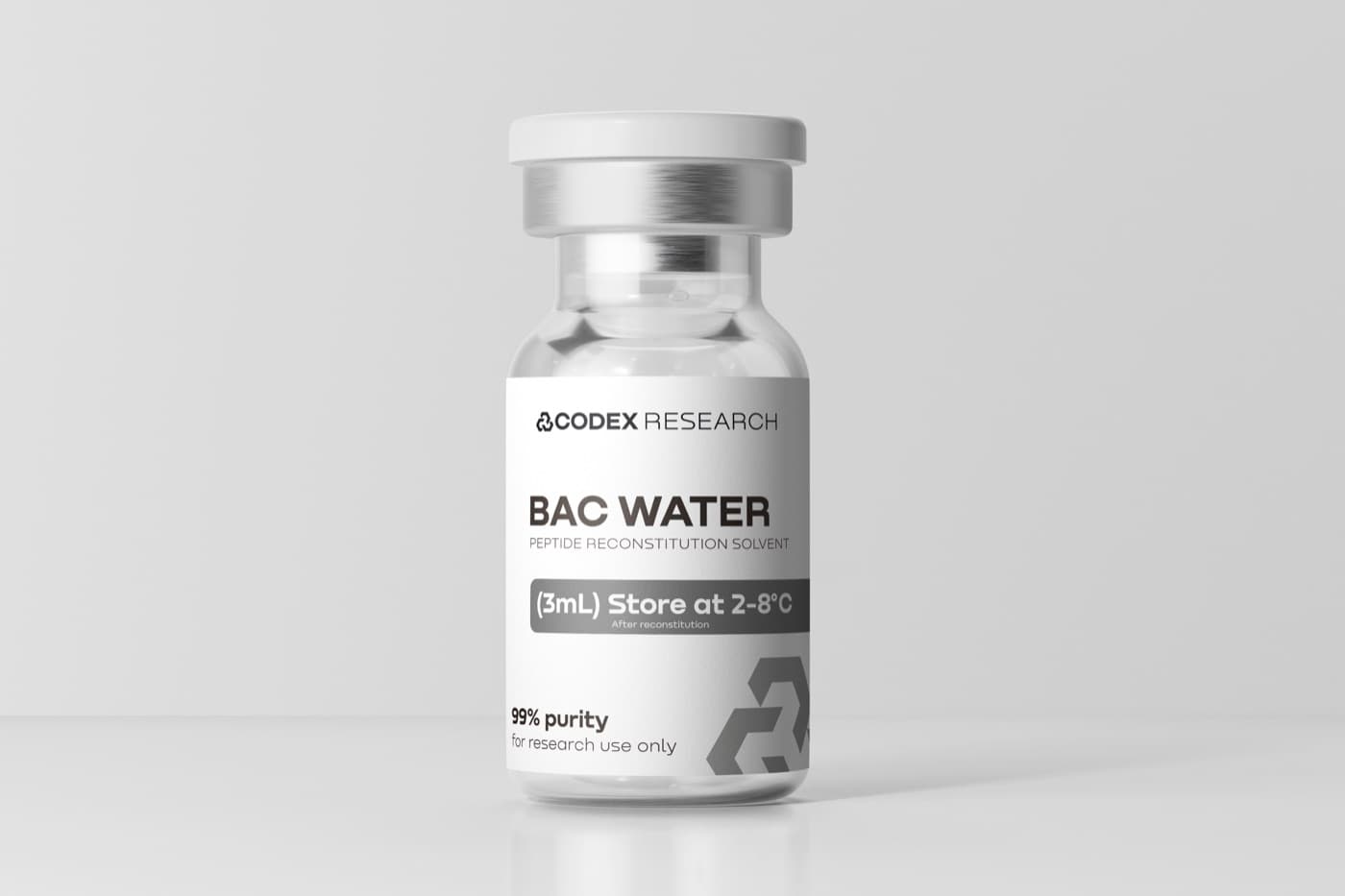
Reported in the research community. It has not been tested as a schedule in human trials. Worked out with a 50 mg vial + 3 mL bacteriostatic water (16.7 mg/mL, 167 mcg per unit).
Amounts as reported, with the syringe or spray measure for the vial below. Not a recommendation.
Period
Amount each time
U-100 units
Volume
Weeks 1-4
1 mg
6
0.06 mL
Weeks 5-8
1.5 mg
9
0.09 mL
Week 9 on
2 mg
12
0.12 mL
Minimum supplies, worked out from the amounts above. Add a margin for losses.
Item
8 weeks
12 weeks
16 weeks
Injections
40
60
80
Total peptide
50 mg
90 mg
130 mg
GHK-Cu vials (50 mg)
1
2
3
Bacteriostatic water
3 mL
6 mL
9 mL
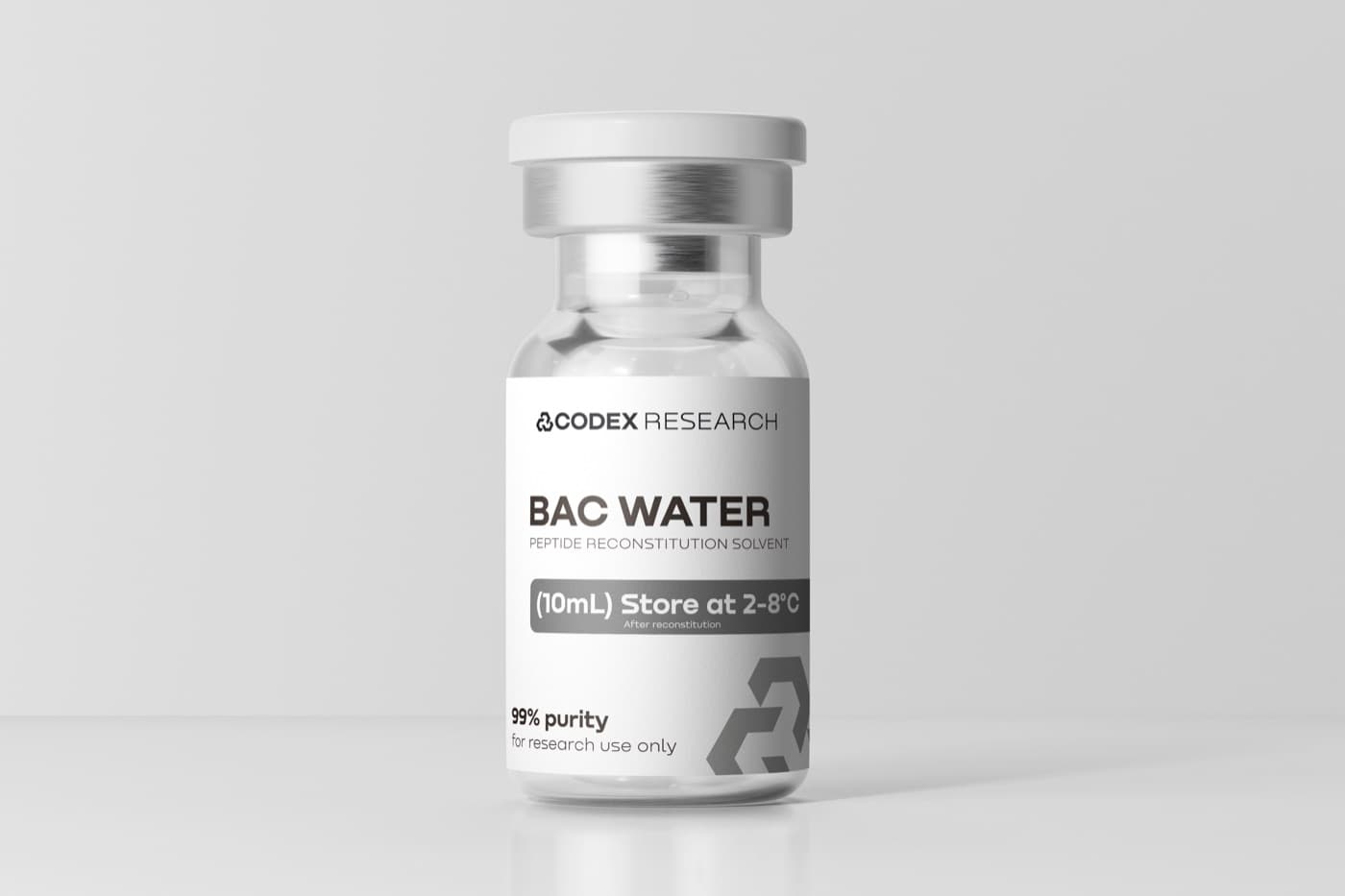
Water bottles (10 mL)
1
1
1
U-100 insulin syringes
40
60
80
Alcohol swabs (boxes of 100)
80 (1)
120 (2)
160 (2)
Fixed, 3 times a week
Subcutaneous injection, 3 times a week
Community-reported
Reported in the research community. It has not been tested as a schedule in human trials. Worked out with a 50 mg vial + 3 mL bacteriostatic water (16.7 mg/mL, 167 mcg per unit).
Amounts as reported, with the syringe or spray measure for the vial below. Not a recommendation.
Period
Amount each time
U-100 units
Volume
Week 1 on
2 mg
12
0.12 mL
Minimum supplies, worked out from the amounts above. Add a margin for losses.
Item
8 weeks
12 weeks
16 weeks
Injections
24
36
48
Total peptide
48 mg
72 mg
96 mg
GHK-Cu vials (50 mg)
1
2
2
Bacteriostatic water
3 mL
6 mL
6 mL
Water bottles (10 mL)
1
1
1
U-100 insulin syringes
24
36
48
Alcohol swabs (boxes of 100)
48 (1)
72 (1)
96 (1)
03
GHK-Cu doses used in studies
The dose each published study gave its participants, copied from the paper. Not dosing instructions; animal doses do not convert directly to people.
At a glance: 10 studies report a dose (3 in people, 4 in animals, 3 in cells).
Doses used in human studies
Mulder GD 1994: Daily metered dose of gel; concentration not given in the abstract; see the paper (Topical gel (Iamin Gel))
Bishop JB 1992: Tripeptide copper complex 0.4% cream; frequency not given in the abstract; see the paper (Topical cream)
Every study
Doses as reported by each study. Not a recommendation.
What has been studied, by type of evidence. A result in animals or cells is a reason to study something in people, not proof that it works in people.
In humans
Summarised
All the human studies we found used GHK-Cu applied to the skin or to wounds. None tested injections:
Diabetic foot ulcers (topical gel): in a multicentre, evaluator-blinded, placebo-controlled trial, plantar ulcers treated with Iamin gel closed more than those given the vehicle gel (median 98.5% vs 60.8% closure), with fewer infections (Mulder 1994).
Venous leg ulcers (topical cream): in a randomised, evaluator-blinded trial with 86 patients, a 0.4% tripeptide copper cream did no better than placebo, while silver sulfadiazine cream did (Bishop 1992).
After laser skin resurfacing (skincare products): in 13 patients, GHK-Cu products did not speed up the fading of redness or improve wrinkles on objective measures; patients using them did report higher satisfaction (Miller 2006).
Verdict: one older trial suggests a benefit in diabetic foot ulcers, but another trial in leg ulcers and a small cosmetic study found no objective benefit. Many cosmetic claims cite studies that we could not find in the medical literature. For injected GHK-Cu there are no human data at all.
In animals
Summarised
Wounds
In rats, GHK-Cu injected into implanted wound chambers increased collagen and other connective tissue in a dose-dependent way, while a control tripeptide had no effect (Maquart 1993). In rats with poorly supplied (ischemic) skin wounds, a 2% GHK-Cu gel was followed by faster wound shrinkage and lower levels of inflammatory and tissue-degrading proteins than in untreated wounds (Canapp 2003).
Ligament graft
After knee ligament (ACL) reconstruction in 72 rats, weekly injections of GHK-Cu into the joint gave a less loose knee and a stiffer graft at 6 weeks, but the differences were gone by 12 weeks, after the injections stopped (Fu 2015). This is one of the few studies of injected GHK-Cu, and it was given directly into the joint, not under the skin.
In cells (in vitro)
Summarised
In fibroblast cultures, GHK-Cu increased collagen production at very low concentrations (Maquart 1988). A computer screen of gene activity found that GHK could reverse a gene pattern linked to emphysema, and it helped lung fibroblasts from people with COPD reorganise collagen in the lab (Campbell 2012). In human skin samples outside the body, copper from GHK-Cu passed through and was retained in the skin (Hostynek 2010). Effects in a dish show what a molecule can do to cells, not what it does in a body.
Proposed mechanisms from cell and animal studies. A plausible mechanism is not evidence of an effect in people.
Proposed mechanisms come from cells and animals:
Copper delivery: GHK forms a complex with copper and increased copper uptake into cultured cells (Pickart 1980).
Collagen production: it raised collagen synthesis in fibroblasts and increased type I and III collagen messenger RNA in rat wounds (Maquart 1988; Maquart 1993).
Inflammation and tissue breakdown: treated rat wounds had lower TNF-alpha and lower MMP-2 and MMP-9, enzymes that break down tissue (Canapp 2003).
Gene activity: GHK shifted gene expression in lung cells towards TGF-beta pathway activity and raised integrin beta-1 (Campbell 2012).
06
Reconstitution
How concentration changes with the amount of liquid added. A U-100 insulin syringe holds 1 mL in 100 units, so each unit is 0.01 mL. Step-by-step guide.
Step by step
Wash your hands and work on a clean, uncluttered surface. Let a refrigerated vial reach room temperature so the stopper is easier to pierce.
Wipe the rubber stopper of the peptide vial and of the bacteriostatic water with a fresh alcohol swab, and let them air-dry.
Draw the chosen volume of bacteriostatic water into a sterile syringe. With 2 mL, a 50 mg vial ends up at 25,000 mcg/mL, or 250 mcg per U-100 unit.
Insert the needle through the stopper and let the water run slowly down the inside wall of the vial, not straight onto the powder.
Swirl or roll the vial gently until the powder dissolves. Do not shake it: foaming can damage some peptides.
Check the solution against the light. It should be clear; cloudiness or particles mean something is wrong with the vial or the water.
Write the date and the volume of water on the label. Every unit calculation later depends on that volume.
Store the reconstituted GHK-Cu vial in the refrigerator, away from light.
Concentration by volume
Concentration after adding the liquid, and how much peptide each U-100 unit (0.01 mL) holds.
Arithmetic only. It assumes the vial holds exactly what the label says.
Concentration
25,000 mcg/mL
Per U-100 unit
250 mcg
Volume for your amount
—
07
Measuring with a U-100 syringe
What each mark on an insulin syringe holds once the vial is mixed. This is arithmetic, not a dose.
Reading a U-100 syringe: how much peptide each mark holds in a 50 mg vial mixed with 2 mL. Not a dose.
Syringe mark
Volume
Peptide in that volume
5 units
0.05 mL
1.25 mg
10 units
0.1 mL
2.5 mg
20 units
0.2 mL
5 mg
25 units
0.25 mL
6.25 mg
50 units
0.5 mL
12.5 mg
100 units
1 mL
25 mg
A U-100 insulin syringe holds 1 mL in 100 units, so each unit is 0.01 mL. The marks measure volume, not peptide.
Syringes come in 0.3 mL (30 units), 0.5 mL (50 units) and 1 mL (100 units) sizes. The smaller ones have finer marks and are easier to read for small volumes.
Read the volume at the top edge of the plunger's rubber seal, at eye level.
Tap out air bubbles before reading: a bubble takes up volume and makes the reading wrong.
Use a new sterile syringe and needle every time, and dispose of them in a sharps container.
08
Supplies
What reconstituting and measuring a vial takes.
The peptide vial, with its certificate of analysis (COA) for that batch. See how to read a COA.
Bacteriostatic water (water with 0.9% benzyl alcohol), which keeps a multi-use vial from growing bacteria. Sterile water has no preservative.
Sterile syringes to add the water, and U-100 insulin syringes to measure.
Alcohol swabs for the stoppers.
A sharps container for used needles.
A label or marker to write the date and the volume of water on the vial.
09
Side effects, safety and legal status
Topical GHK-Cu has been used in cosmetics for decades, and the abstracts of the published skin and wound trials do not report safety problems, although the trials were small and not designed to detect rare effects (Mulder 1994; Miller 2006). Injected GHK-Cu is a different situation: we could not find any human safety data for it.
Topical versus injected: results from creams and gels do not tell us what happens when GHK-Cu is injected. The dose reaching the body and the risks are different.
Product quality: injectable GHK-Cu sold online is not checked by any regulator for identity, purity, dose or sterility.
Copper: the peptide carries copper. We could not find studies on whether repeated injections affect copper levels in the body.
Injection risks: any injected product that is not sterile can cause infection or abscesses.
FDA
Used in cosmetics. Not FDA-approved as a drug.
Status checked on
Oct 26, 2026
10
Storing GHK-Cu
Before mixing
Freeze-dried (lyophilised) peptide is the most stable form. It is usually kept refrigerated, or frozen for long storage, sealed and away from light.
Heat, moisture and light speed up degradation. Keep the vial in its box and avoid leaving it in a car or by a window.
After mixing
Keep the reconstituted vial refrigerated and away from light. Do not freeze it again: freezing and thawing a solution can break the peptide down.
How long a mixed vial stays good depends on the peptide and the diluent, and for most research peptides there is no published stability data. Follow the supplier's guidance and discard any vial that turns cloudy.
Pierce the stopper as few times as possible, and always with a new sterile needle after wiping it with alcohol.
Write the volume of water on the label (for example "2 mL"). Without it, the unit calculations cannot be checked later.
11
Questions about GHK-Cu
Is GHK-Cu FDA-approved?
Used in cosmetics. Not FDA-approved as a drug.
What doses of GHK-Cu have been studied?
Our library has 11 studies on GHK-Cu. The doses each one used are in section 03, next to the study. They are not dosing instructions.
How much GHK-Cu is in each syringe unit?
It depends on how much liquid is added to the vial. For a 50 mg vial with 2 mL, each U-100 unit holds 250 mcg. The reconstitution table and calculator work it out for other volumes.
Is the GHK-Cu in skincare the same as injectable GHK-Cu?
The molecule is the same, but the use is very different. Skincare products apply small amounts to the skin, and that is where the human studies are. Injected GHK-Cu has no published human trials that we could find.
Does GHK-Cu reduce wrinkles?
The evidence is weak. In a small study after laser resurfacing, GHK-Cu products did not improve wrinkles on objective measures, although users were more satisfied. Many cosmetic claims cite studies we could not find in the medical literature.
Where does GHK-Cu come from?
GHK occurs naturally in human plasma, where it binds copper. The same three-amino-acid sequence is found inside type I collagen. The GHK-Cu in products is made synthetically.
How much bacteriostatic water goes into a 50 mg GHK-Cu vial?
There is no single correct volume: it only changes the concentration. For a 50 mg vial, 1 mL gives 50,000 mcg/mL, 2 mL gives 25,000 mcg/mL, 3 mL gives 16,667 mcg/mL. More water makes small amounts easier to measure; less water keeps volumes small. Whatever volume is used, write it on the label.
What does one unit on an insulin syringe mean?
On a U-100 syringe, 100 units = 1 mL, so one unit is 0.01 mL. How much peptide that holds depends on the concentration of the vial, which depends on how much water was added.
Can doses from animal studies of GHK-Cu be converted to people?
No. Animal doses are reported per kilogram for a different species, and scaling them to people is not reliable. That is why Upzo shows each study dose next to its study, unconverted.
How should GHK-Cu be stored?
Unopened freeze-dried vials are usually kept refrigerated and away from light. Once mixed, keep the vial refrigerated and follow the supplier's guidance on how long it lasts.
12
References
Growth-modulating plasma tripeptide may function by facilitating copper uptake into cells. Pickart L, Freedman JH, Loker WJ, et al. Nature. 1980;288:715-717. doi:10.1038/288715a0
Stimulation of collagen synthesis in fibroblast cultures by the tripeptide-copper complex glycyl-L-histidyl-L-lysine-Cu2+. Maquart FX, Pickart L, Laurent M, et al. FEBS Letters. 1988;238:343-346. doi:10.1016/0014-5793(88)80509-x
In vivo stimulation of connective tissue accumulation by the tripeptide-copper complex glycyl-L-histidyl-L-lysine-Cu2+ in rat experimental wounds. Maquart FX, Bellon G, Chaqour B, et al. Journal of Clinical Investigation. 1993;92:2368-2376. doi:10.1172/JCI116842
Enhanced healing of ulcers in patients with diabetes by topical treatment with glycyl-l-histidyl-l-lysine copper. Mulder GD, Patt LM, Sanders L, et al. Wound Repair and Regeneration. 1994;2:259-269. doi:10.1046/j.1524-475X.1994.20406.x
A prospective randomized evaluator-blinded trial of two potential wound healing agents for the treatment of venous stasis ulcers. Bishop JB, Phillips LG, Mustoe TA, et al. Journal of Vascular Surgery. 1992;16:251-257. doi:10.1067/mva.1992.37086
Effects of topical copper tripeptide complex on CO2 laser-resurfaced skin. Miller TR, Wagner JD, Baack BR, et al. Archives of Facial Plastic Surgery. 2006;8:252-259. doi:10.1001/archfaci.8.4.252
The effect of topical tripeptide-copper complex on healing of ischemic open wounds. Canapp SO Jr, Farese JP, Schultz GS, et al. Veterinary Surgery. 2003;32:515-523. doi:10.1111/j.1532-950x.2003.00515.x
Tripeptide-copper complex GHK-Cu (II) transiently improved healing outcome in a rat model of ACL reconstruction. Fu SC, Cheuk YC, Chiu WY, et al. Journal of Orthopaedic Research. 2015;33:1024-1033. doi:10.1002/jor.22831
Human skin retention and penetration of a copper tripeptide in vitro as function of skin layer towards anti-inflammatory therapy. Hostynek JJ, Dreher F, Maibach HI. Inflammation Research. 2010;59:983-988. doi:10.1007/s00011-010-0214-4
A gene expression signature of emphysema-related lung destruction and its reversal by the tripeptide GHK. Campbell JD, McDonough JE, Zeskind JE, et al. Genome Medicine. 2012;4:67. doi:10.1186/gm367
Regenerative and Protective Actions of the GHK-Cu Peptide in the Light of the New Gene Data. Pickart L, Margolina A. International Journal of Molecular Sciences. 2018;19:1987. doi:10.3390/ijms19071987
Research supplier
For laboratory research use only.
Codex Research LabShips from Panama City · US domestic shipping
Research and education only. Not medical advice. Many peptides on this site are not approved by the FDA for human use. Doses shown are the ones used in published studies and are not a recommendation. Talk to a licensed clinician before using any of them. Read the full disclaimer.