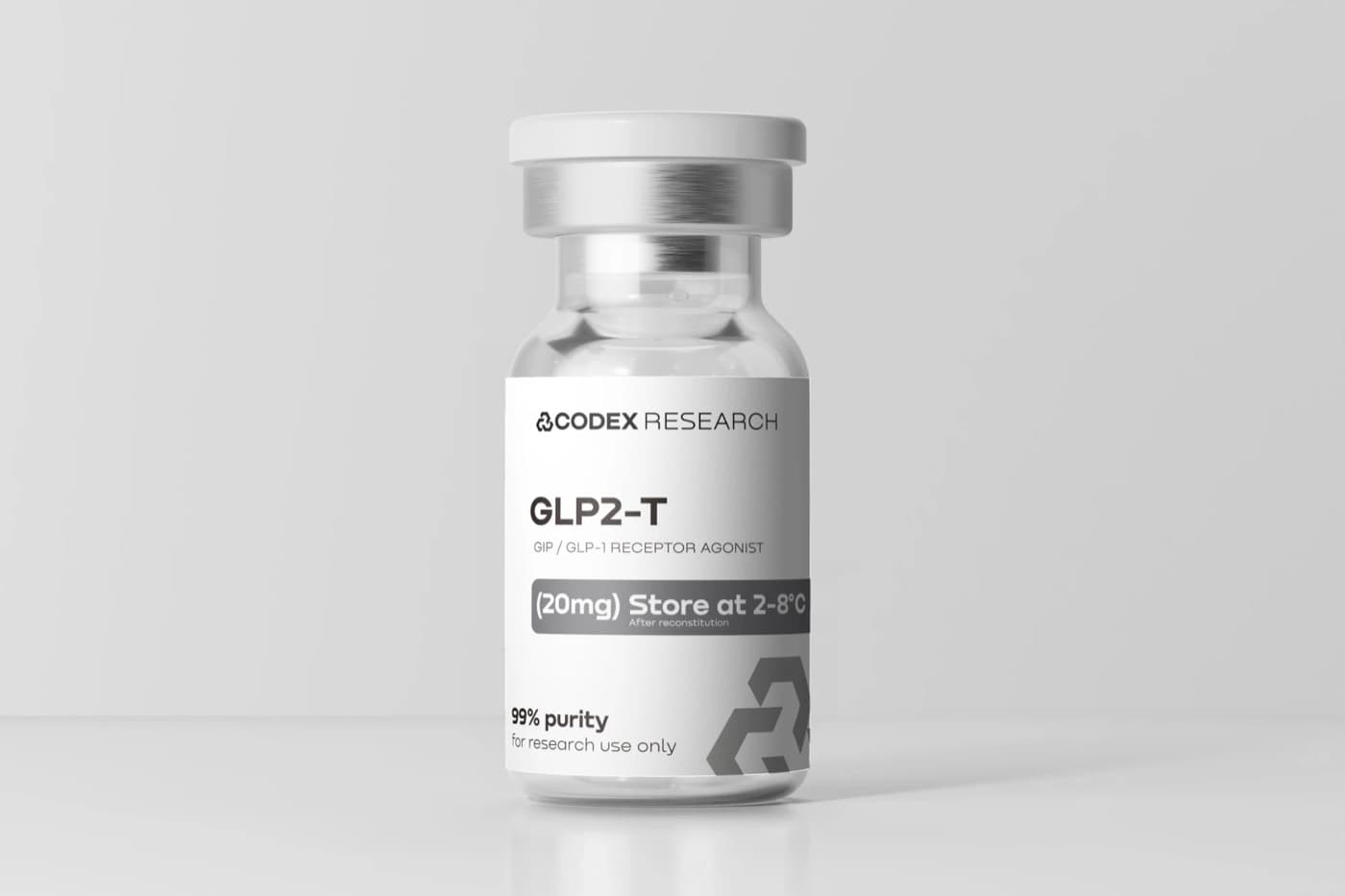
Tirzepatide is a once-weekly injection that activates both the GIP and GLP-1 receptors, approved by the FDA for type 2 diabetes and chronic weight management. Large randomised trials have tested it for blood sugar, weight, sleep apnoea, heart failure and cardiovascular outcomes.
Tirzepatide is a single peptide that activates two receptors for gut hormones released after eating: GIP (glucose-dependent insulinotropic polypeptide) and GLP-1. That dual action is what separates it from semaglutide, which acts on the GLP-1 receptor only. Like other drugs in this family, it lowers blood sugar, slows stomach emptying and reduces appetite.
It was developed by Eli Lilly under the code LY3298176. After a phase 2 dose-finding trial in type 2 diabetes (Frias 2018), the company ran two large phase 3 programmes: SURPASS in type 2 diabetes and SURMOUNT in obesity. The FDA approved it for type 2 diabetes as Mounjaro in 2022 and for chronic weight management as Zepbound in 2023. Nearly all trials below were funded by Eli Lilly.
Compounded tirzepatide and products sold as "research tirzepatide" are not the approved medicines. They have not been reviewed by the FDA for safety, effectiveness or quality, and the trial results on this page do not automatically apply to them.
Type: synthetic peptide acting on two incretin receptors (GIP and GLP-1).
Studied for: type 2 diabetes, obesity, prediabetes, sleep apnoea, heart failure and cardiovascular outcomes.
Strongest evidence: large randomised phase 3 trials in people, including head-to-head trials against semaglutide.
Legal status: FDA-approved prescription medicine (Mounjaro, Zepbound).
02
Tirzepatide dosing in the FDA label
The approved drug has an official dosing schedule in its FDA label. It is shown here as published, with its source.
Dosing from the current FDA-approved label of each drug.
Drug
Approved use
Dosing in the label
Mounjaro (injection)
Type 2 diabetes in adults and children 10+
2.5 mg once weekly to start. If more glucose control is needed, increase in 2.5 mg steps after at least 4 weeks on each dose. Maximum 15 mg once weekly in adults, 10 mg in children.
Zepbound (injection)
Weight reduction and long-term maintenance in adults; obstructive sleep apnea with obesity
2.5 mg once weekly for 4 weeks (a starting step only), then 5 mg. Increases in 2.5 mg steps after at least 4 weeks on each dose. Maintenance 5, 10 or 15 mg once weekly (10 or 15 mg for sleep apnea). Maximum 15 mg once weekly.
Schedules reported for this peptide, with the syringe measure for each step and the supplies each one takes. Reported use is not evidence that a schedule works or is safe, and none of this is medical advice.
Once-weekly escalation
Subcutaneous injection, once a week
From the FDA label
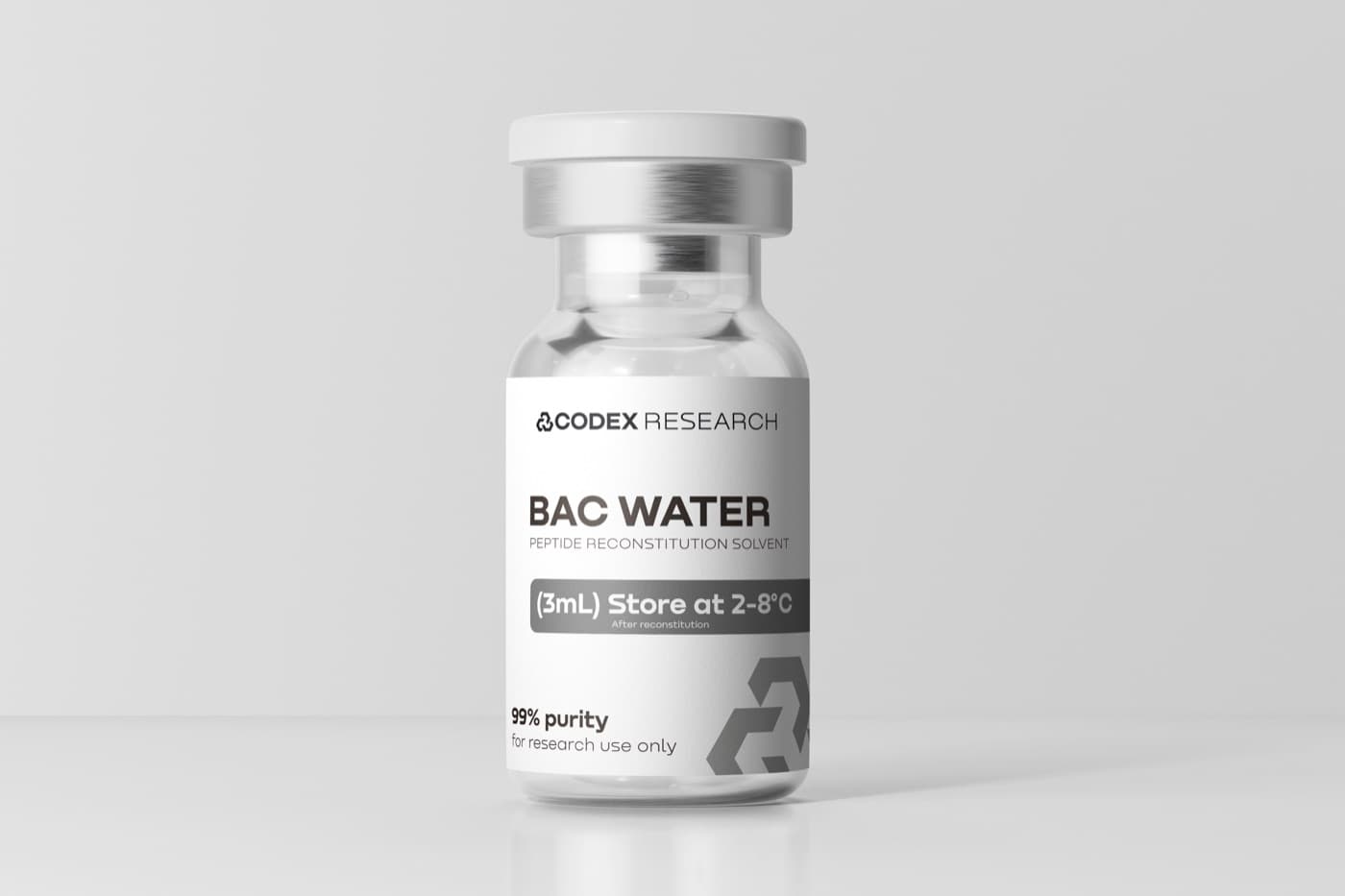
The escalation in the FDA label of the approved drug, worked out for a research vial. Worked out with a 20 mg vial + 2 mL bacteriostatic water (10 mg/mL, 100 mcg per unit).
Amounts as reported, with the syringe or spray measure for the vial below. Not a recommendation.
Period
Amount each time
U-100 units
Volume
Weeks 1-4
2.5 mg
25
0.25 mL
Weeks 5-8
5 mg
50
0.5 mL
Weeks 9-12
7.5 mg
75
0.75 mL
Weeks 13-16
10 mg
100
1 mL
Weeks 17-20
12.5 mg
2 injections of 62.5 units
1.25 mL
Week 21 on
15 mg
2 injections of 75 units
1.5 mL
Minimum supplies, worked out from the amounts above. Add a margin for losses.
Item
12 weeks
24 weeks
Injections
12
24
Total peptide
60 mg
210 mg
Tirzepatide vials (20 mg)
3
11
Bacteriostatic water
6 mL
22 mL
Water bottles (10 mL)
1
3
U-100 insulin syringes
12
32
Alcohol swabs (boxes of 100)
24 (1)
64 (1)
04
Tirzepatide doses used in studies
The dose each published study gave its participants, copied from the paper. Not dosing instructions; animal doses do not convert directly to people.
At a glance: 12 studies report a dose (12 in people).
Doses used in human studies
Jastreboff AM 2022: 5 mg, 10 mg or 15 mg once weekly, after a 20-week escalation period (Subcutaneous, once weekly; 72 weeks)
Frias JP 2018: 1 mg, 5 mg, 10 mg or 15 mg once weekly (comparators: dulaglutide 1.5 mg or placebo) (Subcutaneous, once weekly; 26 weeks)
Rosenstock J 2021: 5 mg, 10 mg or 15 mg once weekly (Subcutaneous, once weekly; 40 weeks)
Frías JP 2021: Tirzepatide 5 mg, 10 mg or 15 mg once weekly vs semaglutide 1 mg once weekly (Subcutaneous, once weekly; 40 weeks)
Del Prato S 2021: Tirzepatide 5 mg, 10 mg or 15 mg once weekly vs insulin glargine (Subcutaneous, once weekly; 52 weeks for the primary endpoint)
Garvey WT 2023: 10 mg or 15 mg once weekly (Subcutaneous, once weekly; 72 weeks)
Aronne LJ 2024: Maximum tolerated dose (10 mg or 15 mg) once weekly (Subcutaneous, once weekly; 36-week open-label lead-in, then 52 weeks randomised)
Malhotra A 2024: Maximum tolerated dose (10 mg or 15 mg) once weekly (Subcutaneous, once weekly; 52 weeks)
Packer M 2025: Up to 15 mg once weekly (Subcutaneous, once weekly; Median follow-up 104 weeks)
Jastreboff AM 2025: 5 mg, 10 mg or 15 mg once weekly (Subcutaneous, once weekly; 176 weeks on treatment plus 17 weeks off treatment)
Aronne LJ 2025: Maximum tolerated dose of tirzepatide (10 mg or 15 mg) vs semaglutide (1.7 mg or 2.4 mg) once weekly (Subcutaneous, once weekly; 72 weeks)
Nicholls SJ 2025: Tirzepatide up to 15 mg once weekly vs dulaglutide 1.5 mg once weekly (Subcutaneous, once weekly)
Every study
Doses as reported by each study. Not a recommendation.
Tirzepatide up to 15 mg once weekly vs dulaglutide 1.5 mg once weekly
—
05
Evidence at a glance
What has been studied, by type of evidence. A result in animals or cells is a reason to study something in people, not proof that it works in people.
In humans
Summarised
Type 2 diabetes
SURPASS-1: in people early in type 2 diabetes, HbA1c fell by about 1.9% to 2.1% at 40 weeks vs no change on placebo, with 7 to 9.5 kg of weight loss (Rosenstock 2021).
SURPASS-2: against semaglutide 1 mg, all three tirzepatide doses lowered HbA1c and weight more (Frías 2021).
SURPASS-4: in people at high cardiovascular risk, tirzepatide lowered HbA1c more than insulin glargine, with less hypoglycaemia (Del Prato 2021).
SURPASS-CVOT: in 13,299 people with type 2 diabetes and heart or vessel disease, major cardiovascular events were 12.2% on tirzepatide vs 13.1% on dulaglutide, a drug already shown to lower cardiovascular risk. Tirzepatide was shown to be no worse, but not better (Nicholls 2025).
Weight
SURMOUNT-1: adults with obesity or overweight and no diabetes lost a mean 15.0% to 20.9% of body weight at 72 weeks depending on dose, against 3.1% on placebo (Jastreboff 2022).
Three-year follow-up: in SURMOUNT-1 participants with prediabetes, weight loss held at 12% to 20% after 176 weeks, and fewer developed type 2 diabetes (1.3% vs 13.3%) (Jastreboff 2025).
SURMOUNT-2: in adults with obesity and type 2 diabetes, weight loss was smaller, 12.8% to 14.7% vs 3.2% (Garvey 2023).
SURMOUNT-4: people switched to placebo after 36 weeks regained 14% of their weight over the next year, while those who continued lost a further 5.5% (Aronne 2024).
SURMOUNT-5: in a head-to-head open-label trial, weight loss at 72 weeks was 20.2% with tirzepatide vs 13.7% with semaglutide (Aronne 2025).
Weight-related conditions
Sleep apnoea: in two 52-week trials in adults with moderate-to-severe obstructive sleep apnoea and obesity, breathing interruptions fell by 25 to 29 events per hour vs about 5 on placebo (Malhotra 2024).
Heart failure: in 731 people with heart failure with preserved ejection fraction and obesity, cardiovascular death or worsening heart failure occurred in 9.9% vs 15.3% on placebo, mostly through fewer heart-failure events (Packer 2025).
Verdict: tirzepatide's evidence is strong for lowering blood sugar and body weight, with several large double-blind trials and two head-to-head comparisons with semaglutide. Evidence on hard outcomes is newer: it was not inferior to dulaglutide for heart attacks and strokes, and it reduced heart-failure events in one trial. As with semaglutide, most of the weight comes back when the drug is stopped, and almost all trials were funded by the manufacturer.
In animals
Nothing yet
No summary in our library yet. We only publish one after checking it against the original papers.
In cells (in vitro)
Nothing yet
No summary in our library yet. We only publish one after checking it against the original papers.
How concentration changes with the amount of liquid added. A U-100 insulin syringe holds 1 mL in 100 units, so each unit is 0.01 mL. Step-by-step guide.
Step by step
Wash your hands and work on a clean, uncluttered surface. Let a refrigerated vial reach room temperature so the stopper is easier to pierce.
Wipe the rubber stopper of the peptide vial and of the bacteriostatic water with a fresh alcohol swab, and let them air-dry.
Draw the chosen volume of bacteriostatic water into a sterile syringe. With 2 mL, a 20 mg vial ends up at 10,000 mcg/mL, or 100 mcg per U-100 unit.
Insert the needle through the stopper and let the water run slowly down the inside wall of the vial, not straight onto the powder.
Swirl or roll the vial gently until the powder dissolves. Do not shake it: foaming can damage some peptides.
Check the solution against the light. It should be clear; cloudiness or particles mean something is wrong with the vial or the water.
Write the date and the volume of water on the label. Every unit calculation later depends on that volume.
Store the reconstituted Tirzepatide vial in the refrigerator, away from light.
Concentration by volume
A 20 mg vial: concentration after adding the liquid, and how much peptide each U-100 unit (0.01 mL) holds.
Arithmetic only. It assumes the vial holds exactly what the label says.
Concentration
10,000 mcg/mL
Per U-100 unit
100 mcg
Volume for your amount
—
07
Measuring with a U-100 syringe
What each mark on an insulin syringe holds once the vial is mixed. This is arithmetic, not a dose.
Reading a U-100 syringe: how much peptide each mark holds in a 20 mg vial mixed with 2 mL. Not a dose.
Syringe mark
Volume
Peptide in that volume
5 units
0.05 mL
500 mcg
10 units
0.1 mL
1 mg
20 units
0.2 mL
2 mg
25 units
0.25 mL
2.5 mg
50 units
0.5 mL
5 mg
100 units
1 mL
10 mg
A U-100 insulin syringe holds 1 mL in 100 units, so each unit is 0.01 mL. The marks measure volume, not peptide.
Syringes come in 0.3 mL (30 units), 0.5 mL (50 units) and 1 mL (100 units) sizes. The smaller ones have finer marks and are easier to read for small volumes.
Read the volume at the top edge of the plunger's rubber seal, at eye level.
Tap out air bubbles before reading: a bubble takes up volume and makes the reading wrong.
Use a new sterile syringe and needle every time, and dispose of them in a sharps container.
08
Supplies
What reconstituting and measuring a vial takes.
The peptide vial, with its certificate of analysis (COA) for that batch. See how to read a COA.
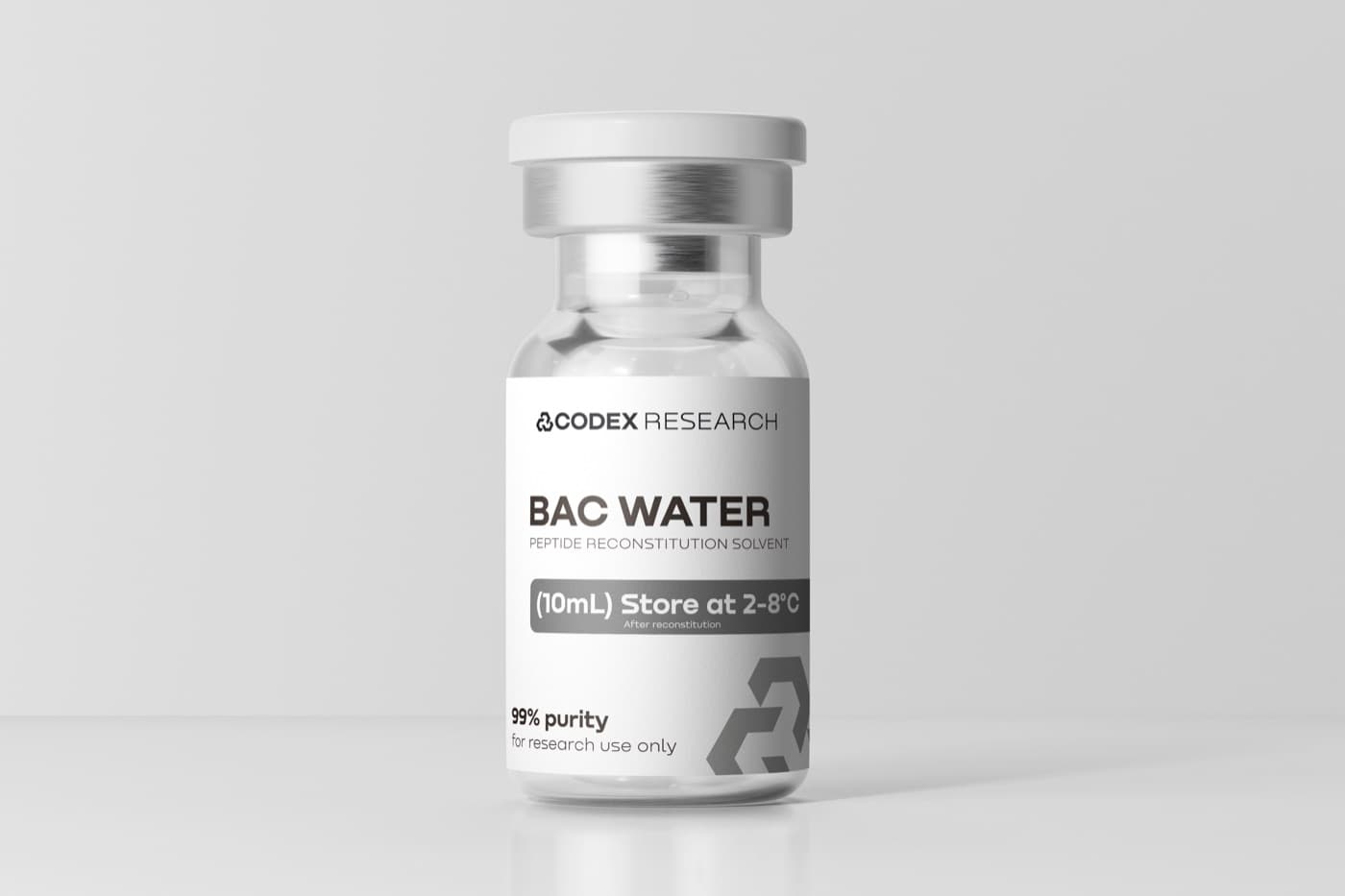
Bacteriostatic water (water with 0.9% benzyl alcohol), which keeps a multi-use vial from growing bacteria. Sterile water has no preservative.
Sterile syringes to add the water, and U-100 insulin syringes to measure.
Alcohol swabs for the stoppers.
A sharps container for used needles.
A label or marker to write the date and the volume of water on the vial.
09
Side effects, safety and legal status
The most common side effects in trials were gastrointestinal: nausea, diarrhoea, vomiting, constipation and reduced appetite, mostly mild to moderate and concentrated in the dose-escalation period. In the phase 2 trial they rose with dose, from 23.1% on 1 mg to 66.0% on 15 mg (Frias 2018), and in SUMMIT side effects led 6.3% to stop the drug vs 1.4% on placebo (Packer 2025). Other known or suspected risks:
Thyroid C-cell tumours: the US prescribing information carries a boxed warning because tirzepatide caused thyroid C-cell tumours in rats. Whether this applies to people is not known. Human database studies so far looked at GLP-1 drugs as a class and gave mixed results (Bezin 2023; Pasternak 2024).
Gallbladder and pancreas: GLP-1 drugs as a class are linked to more gallstones and gallbladder inflammation, especially at weight-loss doses (He 2022), and the prescribing information warns about pancreatitis. These class studies mostly did not include tirzepatide.
Hypoglycaemia: low blood sugar was uncommon on tirzepatide alone, but more likely when combined with insulin or sulfonylureas (Del Prato 2021).
Weight regain: stopping the drug is usually followed by regaining much of the lost weight (Aronne 2024).
Product quality: compounded and "research" tirzepatide are not the approved products. Their identity, strength, purity and sterility have not been checked by the FDA.
FDA
FDA-approved as prescription drugs (Mounjaro for type 2 diabetes, Zepbound for chronic weight management).
Status checked on
Oct 26, 2026
10
Storing Tirzepatide
Before mixing
Freeze-dried (lyophilised) peptide is the most stable form. It is usually kept refrigerated, or frozen for long storage, sealed and away from light.
Heat, moisture and light speed up degradation. Keep the vial in its box and avoid leaving it in a car or by a window.
After mixing
Keep the reconstituted vial refrigerated and away from light. Do not freeze it again: freezing and thawing a solution can break the peptide down.
How long a mixed vial stays good depends on the peptide and the diluent, and for most research peptides there is no published stability data. Follow the supplier's guidance and discard any vial that turns cloudy.
Pierce the stopper as few times as possible, and always with a new sterile needle after wiping it with alcohol.
Write the volume of water on the label (for example "2 mL"). Without it, the unit calculations cannot be checked later.
11
Questions about Tirzepatide
Is Tirzepatide FDA-approved?
FDA-approved as prescription drugs (Mounjaro for type 2 diabetes, Zepbound for chronic weight management).
What is the approved dose of Tirzepatide?
The FDA label of each approved drug sets its dosing; section 02 shows it with the source. It applies to the prescription drug used as prescribed, not to research products.
What doses of Tirzepatide have been studied?
Our library has 12 studies on Tirzepatide. The doses each one used are in section 04, next to the study. They are not dosing instructions.
How much Tirzepatide is in each syringe unit?
It depends on how much liquid is added to the vial. For a 20 mg vial with 2 mL, each U-100 unit holds 100 mcg. The reconstitution table and calculator work it out for other volumes.
How is tirzepatide different from semaglutide?
Semaglutide acts on the GLP-1 receptor only. Tirzepatide acts on both the GIP and GLP-1 receptors. In two head-to-head trials funded by the maker of tirzepatide (SURPASS-2 in type 2 diabetes and SURMOUNT-5 in obesity), tirzepatide produced more weight loss than semaglutide, with similar types of gastrointestinal side effects.
Does tirzepatide lower the risk of heart attack and stroke?
SURPASS-CVOT compared it with dulaglutide, a drug already shown to lower cardiovascular risk, in people with type 2 diabetes and heart or vessel disease. Tirzepatide was not worse, but it was not shown to be better. A placebo-controlled outcome trial in people with obesity but without diabetes (SURMOUNT-MMO) is under way; we could not find published results.
What happens after tirzepatide is stopped?
In SURMOUNT-4, people switched to placebo after 36 weeks regained a large part of the lost weight over the following year, while those who continued kept losing weight.
How much bacteriostatic water goes into a 20 mg Tirzepatide vial?
There is no single correct volume: it only changes the concentration. For a 20 mg vial, 1 mL gives 20,000 mcg/mL, 2 mL gives 10,000 mcg/mL, 3 mL gives 6,667 mcg/mL. More water makes small amounts easier to measure; less water keeps volumes small. Whatever volume is used, write it on the label.
What does one unit on an insulin syringe mean?
On a U-100 syringe, 100 units = 1 mL, so one unit is 0.01 mL. How much peptide that holds depends on the concentration of the vial, which depends on how much water was added.
Can doses from animal studies of Tirzepatide be converted to people?
No. Animal doses are reported per kilogram for a different species, and scaling them to people is not reliable. That is why Upzo shows each study dose next to its study, unconverted.
How should Tirzepatide be stored?
Unopened freeze-dried vials are usually kept refrigerated and away from light. Once mixed, keep the vial refrigerated and follow the supplier's guidance on how long it lasts.
12
References
Tirzepatide Once Weekly for the Treatment of Obesity. Jastreboff AM, Aronne LJ, Ahmad NN, et al. New England Journal of Medicine. 2022;387:205-216. doi:10.1056/NEJMoa2206038
Efficacy and safety of LY3298176, a novel dual GIP and GLP-1 receptor agonist, in patients with type 2 diabetes: a randomised, placebo-controlled and active comparator-controlled phase 2 trial. Frias JP, Nauck MA, Van J, et al. The Lancet. 2018;392:2180-2193. doi:10.1016/S0140-6736(18)32260-8
Efficacy and safety of a novel dual GIP and GLP-1 receptor agonist tirzepatide in patients with type 2 diabetes (SURPASS-1): a double-blind, randomised, phase 3 trial. Rosenstock J, Wysham C, Frías JP, et al. The Lancet. 2021;398:143-155. doi:10.1016/S0140-6736(21)01324-6
Tirzepatide versus Semaglutide Once Weekly in Patients with Type 2 Diabetes. Frías JP, Davies MJ, Rosenstock J, et al. New England Journal of Medicine. 2021;385:503-515. doi:10.1056/NEJMoa2107519
Tirzepatide versus insulin glargine in type 2 diabetes and increased cardiovascular risk (SURPASS-4): a randomised, open-label, parallel-group, multicentre, phase 3 trial. Del Prato S, Kahn SE, Pavo I, et al. The Lancet. 2021;398:1811-1824. doi:10.1016/S0140-6736(21)02188-7
Tirzepatide once weekly for the treatment of obesity in people with type 2 diabetes (SURMOUNT-2): a double-blind, randomised, multicentre, placebo-controlled, phase 3 trial. Garvey WT, Frias JP, Jastreboff AM, et al. The Lancet. 2023;402:613-626. doi:10.1016/S0140-6736(23)01200-X
Continued Treatment With Tirzepatide for Maintenance of Weight Reduction in Adults With Obesity: The SURMOUNT-4 Randomized Clinical Trial. Aronne LJ, Sattar N, Horn DB, et al. JAMA. 2024;331:38-48. doi:10.1001/jama.2023.24945
Tirzepatide for the Treatment of Obstructive Sleep Apnea and Obesity. Malhotra A, Grunstein RR, Fietze I, et al. New England Journal of Medicine. 2024;391:1193-1205. doi:10.1056/NEJMoa2404881
Tirzepatide for Heart Failure with Preserved Ejection Fraction and Obesity. Packer M, Zile MR, Kramer CM, et al. New England Journal of Medicine. 2025;392:427-437. doi:10.1056/NEJMoa2410027
Tirzepatide for Obesity Treatment and Diabetes Prevention. Jastreboff AM, le Roux CW, Stefanski A, et al. New England Journal of Medicine. 2025;392:958-971. doi:10.1056/NEJMoa2410819
Tirzepatide as Compared with Semaglutide for the Treatment of Obesity. Aronne LJ, Horn DB, le Roux CW, et al. New England Journal of Medicine. 2025;393:26-36. doi:10.1056/NEJMoa2416394
Cardiovascular Outcomes with Tirzepatide versus Dulaglutide in Type 2 Diabetes. Nicholls SJ, Pavo I, Bhatt DL, et al. New England Journal of Medicine. 2025;393:2409-2420. doi:10.1056/NEJMoa2505928
Research supplier
For laboratory research use only.
Codex Research LabShips from Panama City · US domestic shipping
Research and education only. Not medical advice. Many peptides on this site are not approved by the FDA for human use. Doses shown are the ones used in published studies and are not a recommendation. Talk to a licensed clinician before using any of them. Read the full disclaimer.