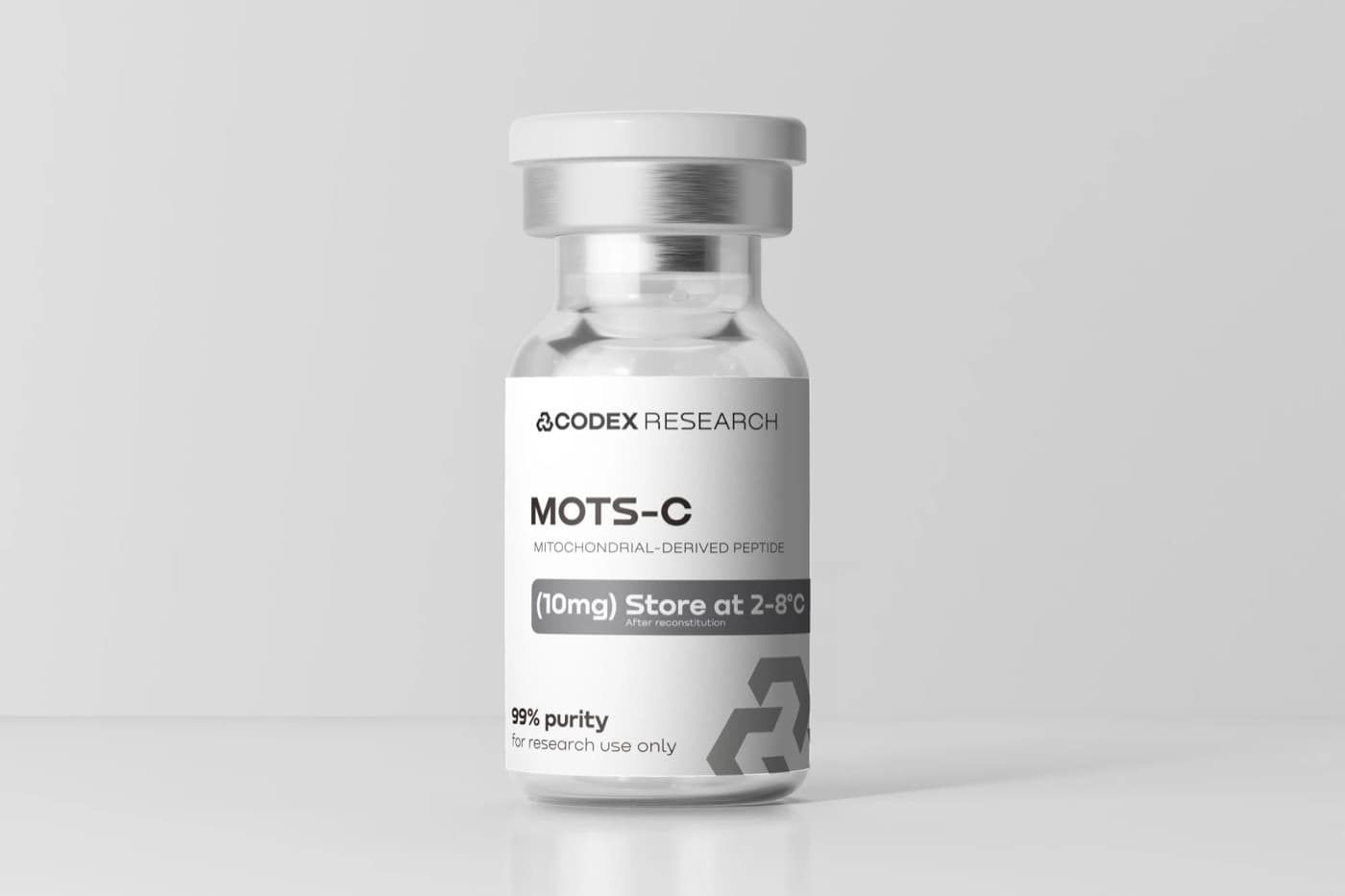
MOTS-c is a 16-amino-acid peptide encoded in mitochondrial DNA, studied in cells and mice for effects on metabolism and exercise capacity. Human data only measure the body's own levels; it has not been tested as a medicine in published trials, and it is not FDA-approved.
Not FDA-approved
Limited human data
Also known as Mitochondrial open reading frame of the 12S rRNA-c, MOTSc
MOTS-c ("mitochondrial open reading frame of the 12S rRNA-c") is a short peptide of 16 amino acids. Unlike almost all human proteins, its code sits in the small DNA inside mitochondria, the cell's energy-producing structures, rather than in the cell nucleus. It belongs to a small family of "mitochondrial-derived peptides" that also includes humanin. The body makes it naturally, and it can be measured in blood and muscle.
It was first described in 2015 by a team at the University of Southern California led by Changhan Lee and Pinchas Cohen (Lee 2015). Most later work comes from the same network (Kong 2023). Some of these researchers have declared consulting roles and shares in the biotech company CohBar, Inc., which is worth keeping in mind when reading the results.
Research on giving MOTS-c is in cells and mice. In people, published studies only measure natural MOTS-c levels in groups such as older adults, people with diabetes or people who exercise. We could not find any published trial in which people were given MOTS-c. When FDA reviewed it for compounding, it said it had not identified any human exposure data for products containing it.
Type: natural peptide, 16 amino acids, encoded in mitochondrial DNA.
Studied for: insulin sensitivity, weight gain on high-fat diets, exercise capacity and ageing.
Strongest evidence: mouse studies. Human studies are observational and do not involve giving the peptide.
Legal status: not approved as a medicine in the US.
02
MOTS-c protocols and supplies
Schedules reported for this peptide, with the syringe measure for each step and the supplies each one takes. Reported use is not evidence that a schedule works or is safe, and none of this is medical advice.
Gradual, once daily
Subcutaneous injection, once a day
Community-reported
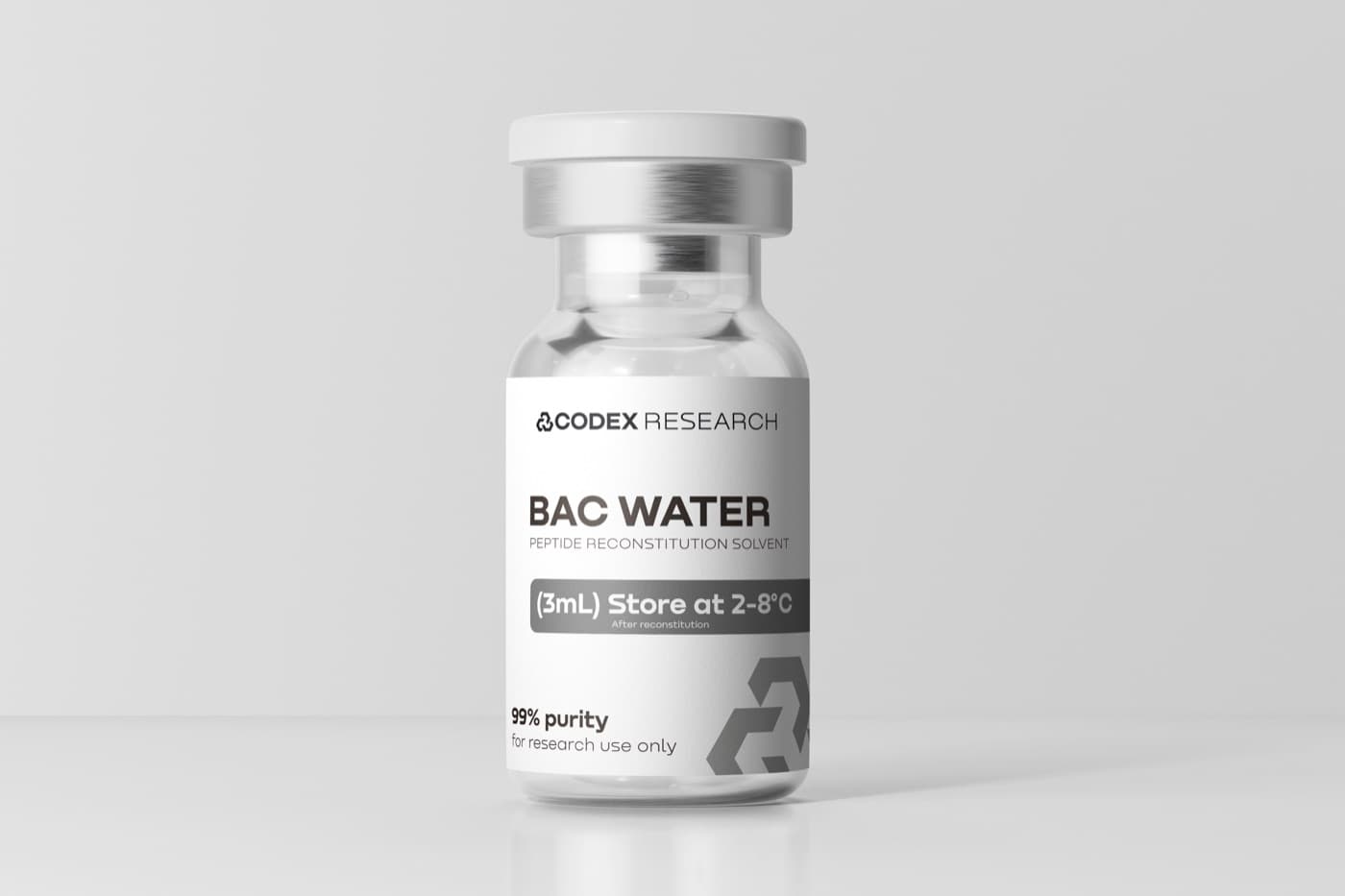
Reported in the research community. It has not been tested as a schedule in human trials. Worked out with a 10 mg vial + 3 mL bacteriostatic water (3.33 mg/mL, 33.3 mcg per unit).
Amounts as reported, with the syringe or spray measure for the vial below. Not a recommendation.
Period
Amount each time
U-100 units
Volume
Weeks 1-2
200 mcg
6
0.06 mL
Weeks 3-4
400 mcg
12
0.12 mL
Weeks 5-6
600 mcg
18
0.18 mL
Weeks 7-8
800 mcg
24
0.24 mL
Week 9 on
1 mg
30
0.3 mL
Minimum supplies, worked out from the amounts above. Add a margin for losses.
Item
8 weeks
12 weeks
16 weeks
Injections
56
84
112
Total peptide
28 mg
56 mg
84 mg
MOTS-c vials (10 mg)
3
6
9
Bacteriostatic water
9 mL
18 mL
27 mL
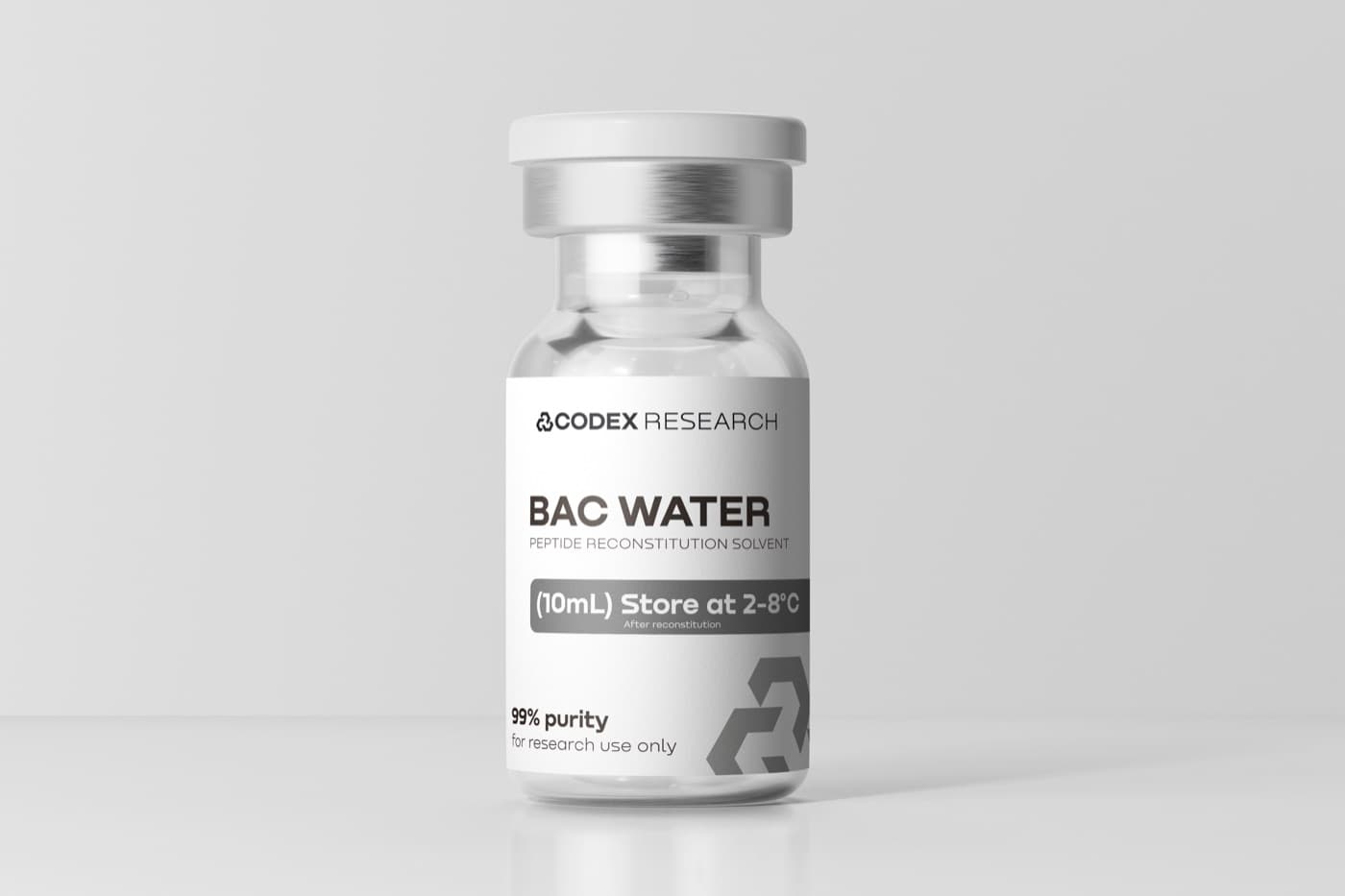
Water bottles (10 mL)
1
2
3
U-100 insulin syringes
56
84
112
Alcohol swabs (boxes of 100)
112 (2)
168 (2)
224 (3)
03
MOTS-c doses used in studies
The dose each published study gave its participants, copied from the paper. Not dosing instructions; animal doses do not convert directly to people.
At a glance: 8 studies report a dose (4 in people, 3 in animals, 1 in cells).
Doses used in human studies
Zempo H 2021: No peptide given to people (genetic study). Mouse arm: 7.5 mg/kg twice daily by intraperitoneal injection for 21 days (from the full text)
Every study
Doses as reported by each study. Not a recommendation.
Not applicable (measured the body's own MOTS-c; nothing was given)
—
04
Evidence at a glance
What has been studied, by type of evidence. A result in animals or cells is a reason to study something in people, not proof that it works in people.
In humans
Summarised
No published trial has given MOTS-c to people. The human studies we found are observational: they measure the body's own MOTS-c.
Diabetes: in 225 adults in Qatar, blood MOTS-c was lower in people with type 2 diabetes and fell with higher HbA1c and age (Ramanjaneya 2019).
A gene variant: an East Asian variant that changes one amino acid of MOTS-c was linked to more type 2 diabetes in inactive men, across about 27,500 people in three cohorts (Zempo 2021).
Ageing: older men had lower blood MOTS-c but more MOTS-c in muscle than young men (D'Souza 2020).
Exercise: in a small human part of one study, exercise raised MOTS-c in muscle and blood (Reynolds 2021), while another found only a non-significant trend (von Walden 2021).
These studies suggest MOTS-c is linked to metabolism and exercise in people, but they cannot show cause and effect, and they say nothing about what happens when someone injects it. There is no human evidence on its effects or safety as a supplement.
In animals
Summarised
Insulin resistance and weight
In mice on a high-fat diet, daily injections were followed by less weight gain and less insulin resistance, and older mice showed less age-related insulin resistance (Lee 2015). An independent group in China reported less fat gain and better insulin sensitivity in mice after removal of the ovaries, a model of menopause (Lu 2019). A version of MOTS-c carrying the East Asian variant lost this effect in male mice (Zempo 2021).
Exercise capacity and ageing
Young, middle-aged and old mice given MOTS-c ran longer on a treadmill, and intermittent injections started late in life were followed by better physical function in very old mice (Reynolds 2021). Mouse lifespan and function do not translate directly to people.
In cells (in vitro)
Summarised
In cells, MOTS-c slowed the folate cycle and purine production and switched on AMPK, a sensor of cell energy (Lee 2015). Under glucose starvation it moved into the cell nucleus and changed the activity of many genes, including antioxidant-response genes (Kim 2018).
Proposed mechanisms from cell and animal studies. A plausible mechanism is not evidence of an effect in people.
The proposed mechanisms come from cell and mouse studies, mostly from one research network:
AMPK activation: by slowing the folate cycle and purine synthesis, MOTS-c raised levels of a molecule (AICAR) that switches on AMPK; treated mice also took up more glucose into muscle in response to insulin (Lee 2015). AMPK was also needed for its effect on fat cells in another group's study (Lu 2019).
Signals to the nucleus: under metabolic stress it entered the nucleus and worked with the transcription factor NRF2 to change gene activity (Kim 2018).
Sequence matters: changing a single amino acid (K14Q) weakened its insulin-sensitising effect in cells and mice (Zempo 2021).
06
Reconstitution
How concentration changes with the amount of liquid added. A U-100 insulin syringe holds 1 mL in 100 units, so each unit is 0.01 mL. Step-by-step guide.
Step by step
Wash your hands and work on a clean, uncluttered surface. Let a refrigerated vial reach room temperature so the stopper is easier to pierce.
Wipe the rubber stopper of the peptide vial and of the bacteriostatic water with a fresh alcohol swab, and let them air-dry.
Draw the chosen volume of bacteriostatic water into a sterile syringe. With 2 mL, a 10 mg vial ends up at 5,000 mcg/mL, or 50 mcg per U-100 unit.
Insert the needle through the stopper and let the water run slowly down the inside wall of the vial, not straight onto the powder.
Swirl or roll the vial gently until the powder dissolves. Do not shake it: foaming can damage some peptides.
Check the solution against the light. It should be clear; cloudiness or particles mean something is wrong with the vial or the water.
Write the date and the volume of water on the label. Every unit calculation later depends on that volume.
Store the reconstituted MOTS-c vial in the refrigerator, away from light.
Concentration by volume
A 10 mg vial: concentration after adding the liquid, and how much peptide each U-100 unit (0.01 mL) holds.
Arithmetic only. It assumes the vial holds exactly what the label says.
Concentration
5,000 mcg/mL
Per U-100 unit
50 mcg
Volume for your amount
—
07
Measuring with a U-100 syringe
What each mark on an insulin syringe holds once the vial is mixed. This is arithmetic, not a dose.
Reading a U-100 syringe: how much peptide each mark holds in a 10 mg vial mixed with 2 mL. Not a dose.
Syringe mark
Volume
Peptide in that volume
5 units
0.05 mL
250 mcg
10 units
0.1 mL
500 mcg
20 units
0.2 mL
1 mg
25 units
0.25 mL
1.25 mg
50 units
0.5 mL
2.5 mg
100 units
1 mL
5 mg
A U-100 insulin syringe holds 1 mL in 100 units, so each unit is 0.01 mL. The marks measure volume, not peptide.
Syringes come in 0.3 mL (30 units), 0.5 mL (50 units) and 1 mL (100 units) sizes. The smaller ones have finer marks and are easier to read for small volumes.
Read the volume at the top edge of the plunger's rubber seal, at eye level.
Tap out air bubbles before reading: a bubble takes up volume and makes the reading wrong.
Use a new sterile syringe and needle every time, and dispose of them in a sharps container.
08
Supplies
What reconstituting and measuring a vial takes.
The peptide vial, with its certificate of analysis (COA) for that batch. See how to read a COA.
Bacteriostatic water (water with 0.9% benzyl alcohol), which keeps a multi-use vial from growing bacteria. Sterile water has no preservative.
Sterile syringes to add the water, and U-100 insulin syringes to measure.
Alcohol swabs for the stoppers.
A sharps container for used needles.
A label or marker to write the date and the volume of water on the vial.
09
Side effects, safety and legal status
Side effects and safety in people are unknown, because no published trial has given MOTS-c to humans. In its compounding review, FDA said products containing it may carry a risk of immune reactions and impurity problems, and that it had not identified any human exposure data.
Product quality: MOTS-c sold online is not checked by any regulator for identity, purity, dose or sterility.
Immune reactions: FDA noted a possible risk of immunogenicity (the body reacting against the peptide) for some routes of administration.
Unknown long-term effects: the animal studies lasted weeks to months, or used intermittent dosing in old mice. Effects of repeated use in people have not been studied.
Injection risks: any injected product that is not sterile can cause infection or abscesses.
FDA
Not FDA-approved for any use. It was in Category 2 of FDA's compounding bulk substances list (possible significant safety risks); FDA's April 2026 update lists its nomination as withdrawn, which is not an approval.
Status checked on
Oct 26, 2026
10
Storing MOTS-c
Before mixing
Freeze-dried (lyophilised) peptide is the most stable form. It is usually kept refrigerated, or frozen for long storage, sealed and away from light.
Heat, moisture and light speed up degradation. Keep the vial in its box and avoid leaving it in a car or by a window.
After mixing
Keep the reconstituted vial refrigerated and away from light. Do not freeze it again: freezing and thawing a solution can break the peptide down.
How long a mixed vial stays good depends on the peptide and the diluent, and for most research peptides there is no published stability data. Follow the supplier's guidance and discard any vial that turns cloudy.
Pierce the stopper as few times as possible, and always with a new sterile needle after wiping it with alcohol.
Write the volume of water on the label (for example "2 mL"). Without it, the unit calculations cannot be checked later.
11
Questions about MOTS-c
Is MOTS-c FDA-approved?
Not FDA-approved for any use. It was in Category 2 of FDA's compounding bulk substances list (possible significant safety risks); FDA's April 2026 update lists its nomination as withdrawn, which is not an approval.
What doses of MOTS-c have been studied?
Our library has 9 studies on MOTS-c. The doses each one used are in section 03, next to the study. They are not dosing instructions.
How much MOTS-c is in each syringe unit?
It depends on how much liquid is added to the vial. For a 10 mg vial with 2 mL, each U-100 unit holds 50 mcg. The reconstitution table and calculator work it out for other volumes.
Is MOTS-c made by the body?
Yes. It is encoded in mitochondrial DNA and can be measured in blood and muscle. Studies have linked lower blood levels with type 2 diabetes and older age, but these are associations, not proof that adding more has any effect.
Has MOTS-c been tested in people?
We could not find any published trial in which people were given MOTS-c. Human studies so far only measure natural MOTS-c levels.
Does exercise raise MOTS-c?
One study reported higher MOTS-c in muscle and blood after exercise, while another found only a small, non-significant rise in blood. The evidence is small and mixed.
How much bacteriostatic water goes into a 10 mg MOTS-c vial?
There is no single correct volume: it only changes the concentration. For a 10 mg vial, 1 mL gives 10,000 mcg/mL, 2 mL gives 5,000 mcg/mL, 3 mL gives 3,333 mcg/mL. More water makes small amounts easier to measure; less water keeps volumes small. Whatever volume is used, write it on the label.
What does one unit on an insulin syringe mean?
On a U-100 syringe, 100 units = 1 mL, so one unit is 0.01 mL. How much peptide that holds depends on the concentration of the vial, which depends on how much water was added.
Can doses from animal studies of MOTS-c be converted to people?
No. Animal doses are reported per kilogram for a different species, and scaling them to people is not reliable. That is why Upzo shows each study dose next to its study, unconverted.
How should MOTS-c be stored?
Unopened freeze-dried vials are usually kept refrigerated and away from light. Once mixed, keep the vial refrigerated and follow the supplier's guidance on how long it lasts.
12
References
The mitochondrial-derived peptide MOTS-c promotes metabolic homeostasis and reduces obesity and insulin resistance. Lee C, Zeng J, Drew BG, et al. Cell Metabolism. 2015;21:443-454. doi:10.1016/j.cmet.2015.02.009
The Mitochondrial-Encoded Peptide MOTS-c Translocates to the Nucleus to Regulate Nuclear Gene Expression in Response to Metabolic Stress. Kim KH, Son JM, Benayoun BA, et al. Cell Metabolism. 2018;28:516-524.e7. doi:10.1016/j.cmet.2018.06.008
MOTS-c is an exercise-induced mitochondrial-encoded regulator of age-dependent physical decline and muscle homeostasis. Reynolds JC, Lai RW, Woodhead JST, et al. Nature Communications. 2021;12:470. doi:10.1038/s41467-020-20790-0
MOTS-c peptide regulates adipose homeostasis to prevent ovariectomy-induced metabolic dysfunction. Lu H, Wei M, Zhai Y, et al. Journal of Molecular Medicine. 2019;97:473-485. doi:10.1007/s00109-018-01738-w
A pro-diabetogenic mtDNA polymorphism in the mitochondrial-derived peptide, MOTS-c. Zempo H, Kim SJ, Fuku N, et al. Aging. 2021;13:1692-1717. doi:10.18632/aging.202529
Mitochondrial-Derived Peptides Are Down Regulated in Diabetes Subjects. Ramanjaneya M, Bettahi I, Jerobin J, et al. Frontiers in Endocrinology. 2019;10:331. doi:10.3389/fendo.2019.00331
Acute endurance exercise stimulates circulating levels of mitochondrial-derived peptides in humans. von Walden F, Fernandez-Gonzalo R, Norrbom J, et al. Journal of Applied Physiology. 2021;131:1035-1042. doi:10.1152/japplphysiol.00706.2019
Increased expression of the mitochondrial derived peptide, MOTS-c, in skeletal muscle of healthy aging men is associated with myofiber composition. D'Souza RF, Woodhead JST, Hedges CP, et al. Aging. 2020;12:5244-5258. doi:10.18632/aging.102944
Mitochondrial-Encoded Peptide MOTS-c, Diabetes, and Aging-Related Diseases. Kong BS, Lee C, Cho YM. Diabetes & Metabolism Journal. 2023;47:315-324. doi:10.4093/dmj.2022.0333
Research supplier
For laboratory research use only.
Codex Research LabShips from Panama City · US domestic shipping
Research and education only. Not medical advice. Many peptides on this site are not approved by the FDA for human use. Doses shown are the ones used in published studies and are not a recommendation. Talk to a licensed clinician before using any of them. Read the full disclaimer.