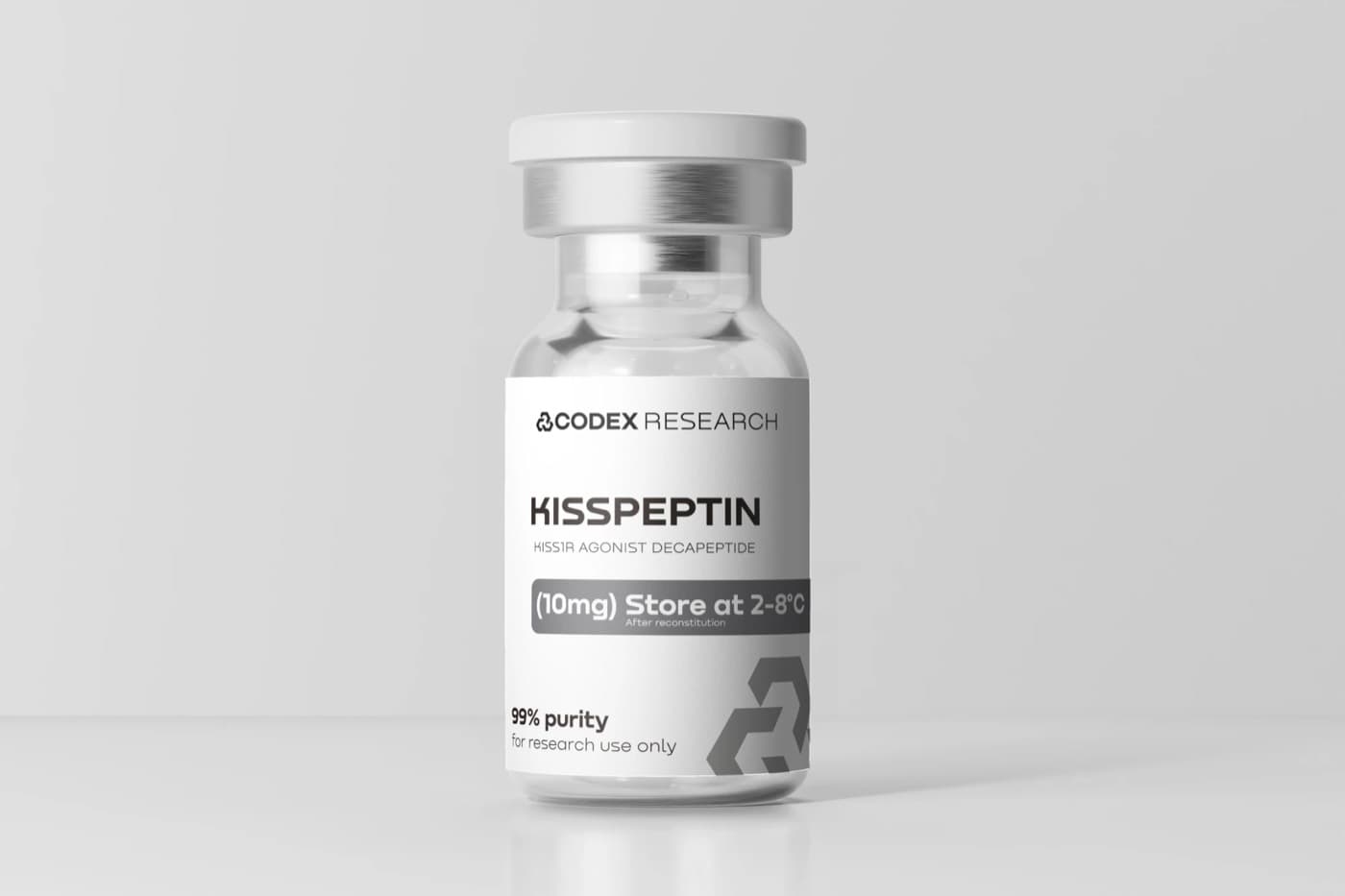
Kisspeptin-10 is the shortest active fragment of kisspeptin, a hormone that triggers the release of GnRH and, through it, LH, FSH and testosterone. It has been given to people only in small physiology studies, is not FDA-approved, and is banned in male athletes by WADA.
Not FDA-approved
WADA prohibited
Human trials
Also known as Kisspeptin, Metastin 45-54, Kisspeptin 112-121, KP-10
Kisspeptins are a family of peptides cut from a single precursor protein made by the KISS1 gene. Kisspeptin-10 is the last 10 amino acids of that protein (positions 112 to 121), and it is the smallest piece that still has the full activity of the larger forms (George 2011). It acts on the kisspeptin receptor (once called GPR54) on the brain cells that release GnRH, the hormone at the top of the reproductive chain.
Its importance became clear in 2003, when people and mice with faulty copies of the receptor gene were found not to go through puberty (Seminara 2003). Since then, research groups in Edinburgh, London (Imperial College) and Boston (Massachusetts General Hospital) have given kisspeptin-10 to healthy volunteers and patients, by injection or drip, to study how the reproductive hormone system works. A longer form, kisspeptin-54, has been studied separately and is not covered here.
Kisspeptin-10 is not a medicine. Its main clinical use so far is as a research test: how a person's LH responds to it can show whether their GnRH system is working (Chan 2020). Because it raises testosterone in men, it is on the WADA Prohibited List for male athletes.
Type: natural peptide fragment, 10 amino acids.
Studied for: how GnRH, LH and testosterone release is controlled; testing the reproductive hormone axis in puberty problems and low testosterone.
Strongest evidence: small, well-controlled human physiology studies (usually 4 to 20 people) showing it raises LH within minutes.
Legal status: not approved as a medicine in the US; prohibited in sport for males by WADA.
02
Kisspeptin-10 protocols and supplies
Schedules reported for this peptide, with the syringe measure for each step and the supplies each one takes. Reported use is not evidence that a schedule works or is safe, and none of this is medical advice.
Gradual, once daily
Subcutaneous injection, once a day
Community-reported
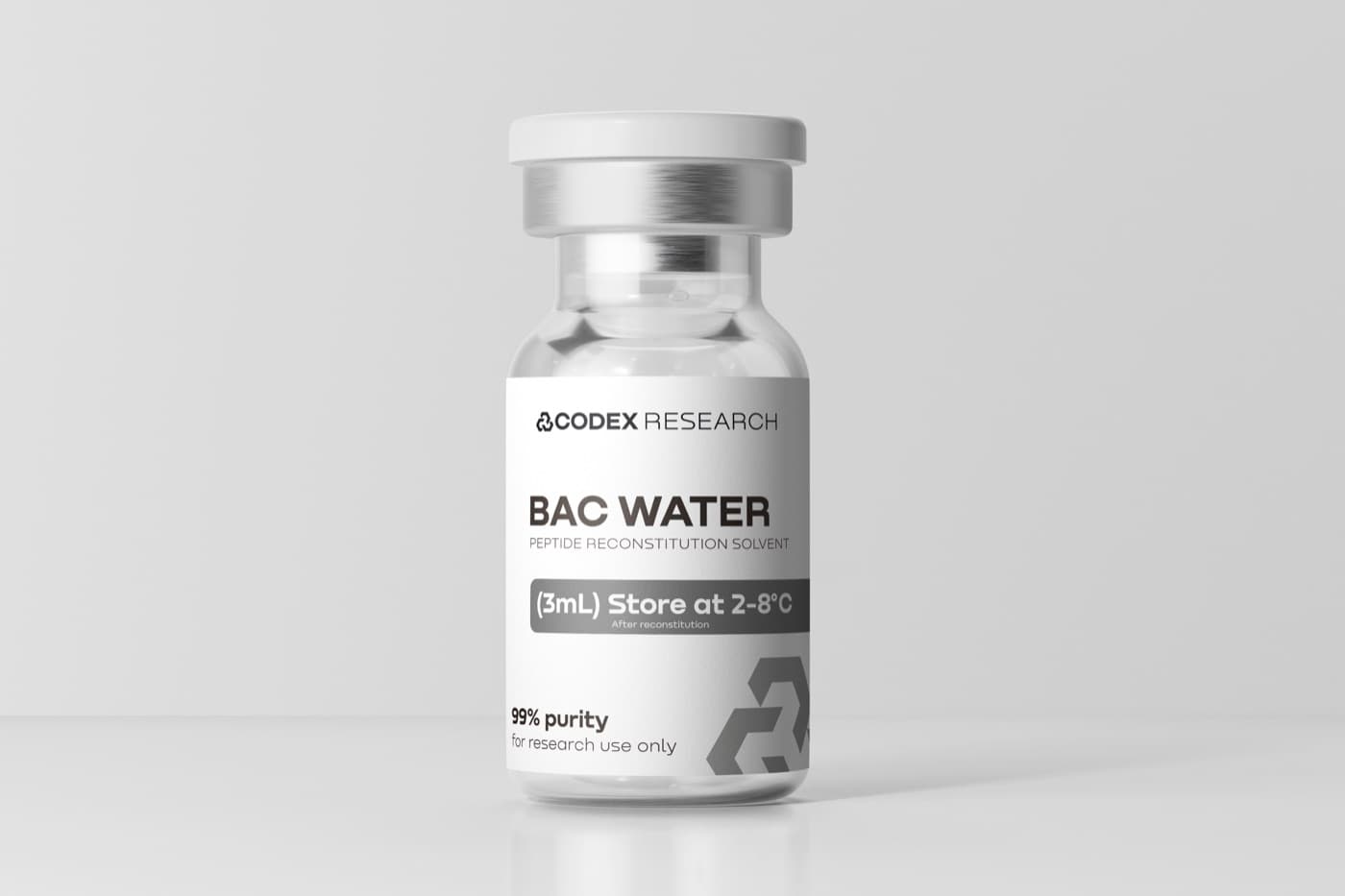
Reported in the research community. It has not been tested as a schedule in human trials. Worked out with a 10 mg vial + 3 mL bacteriostatic water (3.33 mg/mL, 33.3 mcg per unit).
Amounts as reported, with the syringe or spray measure for the vial below. Not a recommendation.
Period
Amount each time
U-100 units
Volume
Weeks 1-2
100 mcg
3
0.03 mL
Week 3 on
200 mcg
6
0.06 mL
Minimum supplies, worked out from the amounts above. Add a margin for losses.
Item
8 weeks
12 weeks
16 weeks
Injections
56
84
112
Total peptide
9.8 mg
15.4 mg
21 mg
Kisspeptin-10 vials (10 mg)
1
2
3
Bacteriostatic water
3 mL
6 mL
9 mL
Water bottles (10 mL)
1
1
1
U-100 insulin syringes
56
84
112
Alcohol swabs (boxes of 100)
112 (2)
168 (2)
224 (3)
03
Kisspeptin-10 doses used in studies
The dose each published study gave its participants, copied from the paper. Not dosing instructions; animal doses do not convert directly to people.
At a glance: 12 studies report a dose (11 in people, 1 in animals).
Doses used in human studies
George JT 2011: Intravenous boluses of 0.01 to 3.0 µg/kg (and vehicle); infusions of 4 µg/kg per hour for 22.5 hours and 1.5 µg/kg per hour (Intravenous bolus and intravenous infusion; Single doses and infusions of up to 22.5 hours)
Chan YM 2011: Single intravenous bolus of kisspeptin 112-121 (kisspeptin-10). Amount not given in the abstract; see the paper (Intravenous bolus)
Jayasena CN 2011: In men, intravenous boluses with effects from 0.3 nmol/kg (LH) and 1.0 nmol/kg (FSH). In women, up to 10 nmol/kg intravenous bolus, 32 nmol/kg subcutaneous bolus or 720 pmol/kg per minute intravenous infusion (Intravenous bolus, subcutaneous bolus and intravenous infusion)
George JT 2012: 0.3 µg/kg intravenous bolus (Intravenous bolus; Hormones followed for 60 minutes after the dose)
Chan YM 2012: Kisspeptin 112-121 (kisspeptin-10) 0.24 nmol/kg intravenous bolus; 0.72 nmol/kg in four additional women (Intravenous bolus)
George JT 2013: 0.3 µg/kg intravenous bolus; 4 µg/kg per hour intravenous infusion for 11 hours (Intravenous bolus and intravenous infusion; Single bolus; 11-hour infusion)
Chan YM 2014: Kisspeptin 0.24 nmol/kg intravenous bolus, before and after 6 days of GnRH (25 ng/kg every 2 hours) (Intravenous bolus)
Jayasena CN 2015: 0.1, 0.3 and 1.0 nmol/kg per hour for 3 hours, for each of kisspeptin-10, kisspeptin-54 and GnRH, plus vehicle (Intravenous infusion; 3-hour infusions on separate days at least a week apart)
Yeung AC 2026: Acute 8-hour infusions of 1.25 to 10.0 nmol/kg per hour; continuous 180 nmol/h for 5 days; daily 8-hour infusions of 150 nmol/h for 12 days; 1 nmol/kg bolus at the end (Subcutaneous infusion; Up to 12 days)
Every study
Doses as reported by each study. Not a recommendation.
Intravenous bolus, subcutaneous bolus and intravenous infusion
In men, intravenous boluses with effects from 0.3 nmol/kg (LH) and 1.0 nmol/kg (FSH). In women, up to 10 nmol/kg intravenous bolus, 32 nmol/kg subcutaneous bolus or 720 pmol/kg per minute intravenous infusion
Acute 8-hour infusions of 1.25 to 10.0 nmol/kg per hour; continuous 180 nmol/h for 5 days; daily 8-hour infusions of 150 nmol/h for 12 days; 1 nmol/kg bolus at the end
Not applicable (laboratory method study; no one was given the peptide)
—
04
Evidence at a glance
What has been studied, by type of evidence. A result in animals or cells is a reason to study something in people, not proof that it works in people.
In humans
Summarised
Kisspeptin-10 has been given to people in carefully monitored hospital research units. These are physiology studies, not treatment trials:
Healthy men, dose response: intravenous injections raised LH within 30 minutes, with the biggest effect at 1 µg/kg; the highest dose gave a smaller response. A 22.5-hour infusion raised LH and testosterone and made LH pulses more frequent (George 2011).
Resetting the hormone clock: a single injection in 13 men triggered an immediate LH pulse and delayed the next natural one, as if resetting the GnRH pulse generator (Chan 2011).
Men and women respond differently: men responded at low doses, but women in the early (follicular) phase of the cycle did not respond even to high doses; women just before ovulation did (Jayasena 2011). A study across the cycle found clear responses in the luteal phase and inconsistent ones in the early follicular phase (Chan 2012).
Effect of sex hormones in women: the LH response was larger after menopause and absent in women on the combined pill (George 2012).
Men with type 2 diabetes and low testosterone: in five men, an 11-hour infusion raised LH, LH pulse frequency and testosterone (George 2013).
Compared with GnRH and kisspeptin-54: at the doses tested, kisspeptin-10 and kisspeptin-54 raised LH and FSH similarly, and GnRH itself was more potent than either (Jayasena 2015).
Testing GnRH function: people with congenital GnRH deficiency did not respond, while a man whose condition had reversed did (Chan 2014). In 16 young people with delayed puberty, the response predicted who later went through puberty (Chan 2020). The abstracts of these two studies say "kisspeptin" without naming the form; the same Boston group used kisspeptin-10 in its other studies.
Longer use: in healthy men, daily 8-hour infusions under the skin kept LH, FSH and testosterone raised for 12 days, but continuous infusion for 5 days lost its effect on LH and FSH (Yeung 2026).
Verdict: there is consistent evidence, from three independent groups, that kisspeptin-10 raises LH and, in men, testosterone within hours. The studies are small, short and done under medical supervision, with intravenous or carefully controlled infusions. No trial has tested whether it improves any health outcome, and long-term effects are unknown.
In animals
Summarised
Genetics and puberty
Mice bred without the kisspeptin receptor had small testes or failed to mature their ovaries, mirroring the lack of puberty in people with receptor mutations (Seminara 2003). This finding, rather than studies of kisspeptin-10 itself, is the basis of most later research.
In cells (in vitro)
Nothing yet
No summary in our library yet. We only publish one after checking it against the original papers.
Proposed mechanisms from cell and animal studies. A plausible mechanism is not evidence of an effect in people.
Kisspeptin-10 works upstream of the pituitary, on the GnRH system. The supporting findings:
Receptor needed for puberty: loss of the kisspeptin receptor (GPR54) causes failure of puberty in humans and mice (Seminara 2003).
Acts through GnRH release: a single dose reset the timing of natural LH pulses, which means it acts on the GnRH pulse generator in the brain (Chan 2011). People whose GnRH neurons do not work did not respond (Chan 2014).
Modulated by sex hormones: oestrogen and progestogen levels changed how strongly women responded (George 2012).
Loses effect with constant exposure: continuous infusion for days stopped raising LH and FSH, while intermittent dosing did not (Yeung 2026).
06
Reconstitution
How concentration changes with the amount of liquid added. A U-100 insulin syringe holds 1 mL in 100 units, so each unit is 0.01 mL. Step-by-step guide.
Step by step
Wash your hands and work on a clean, uncluttered surface. Let a refrigerated vial reach room temperature so the stopper is easier to pierce.
Wipe the rubber stopper of the peptide vial and of the bacteriostatic water with a fresh alcohol swab, and let them air-dry.
Draw the chosen volume of bacteriostatic water into a sterile syringe. With 2 mL, a 10 mg vial ends up at 5,000 mcg/mL, or 50 mcg per U-100 unit.
Insert the needle through the stopper and let the water run slowly down the inside wall of the vial, not straight onto the powder.
Swirl or roll the vial gently until the powder dissolves. Do not shake it: foaming can damage some peptides.
Check the solution against the light. It should be clear; cloudiness or particles mean something is wrong with the vial or the water.
Write the date and the volume of water on the label. Every unit calculation later depends on that volume.
Store the reconstituted Kisspeptin-10 vial in the refrigerator, away from light.
Concentration by volume
A 10 mg vial: concentration after adding the liquid, and how much peptide each U-100 unit (0.01 mL) holds.
Arithmetic only. It assumes the vial holds exactly what the label says.
Concentration
5,000 mcg/mL
Per U-100 unit
50 mcg
Volume for your amount
—
07
Measuring with a U-100 syringe
What each mark on an insulin syringe holds once the vial is mixed. This is arithmetic, not a dose.
Reading a U-100 syringe: how much peptide each mark holds in a 10 mg vial mixed with 2 mL. Not a dose.
Syringe mark
Volume
Peptide in that volume
5 units
0.05 mL
250 mcg
10 units
0.1 mL
500 mcg
20 units
0.2 mL
1 mg
25 units
0.25 mL
1.25 mg
50 units
0.5 mL
2.5 mg
100 units
1 mL
5 mg
A U-100 insulin syringe holds 1 mL in 100 units, so each unit is 0.01 mL. The marks measure volume, not peptide.
Syringes come in 0.3 mL (30 units), 0.5 mL (50 units) and 1 mL (100 units) sizes. The smaller ones have finer marks and are easier to read for small volumes.
Read the volume at the top edge of the plunger's rubber seal, at eye level.
Tap out air bubbles before reading: a bubble takes up volume and makes the reading wrong.
Use a new sterile syringe and needle every time, and dispose of them in a sharps container.
08
Supplies
What reconstituting and measuring a vial takes.
The peptide vial, with its certificate of analysis (COA) for that batch. See how to read a COA.
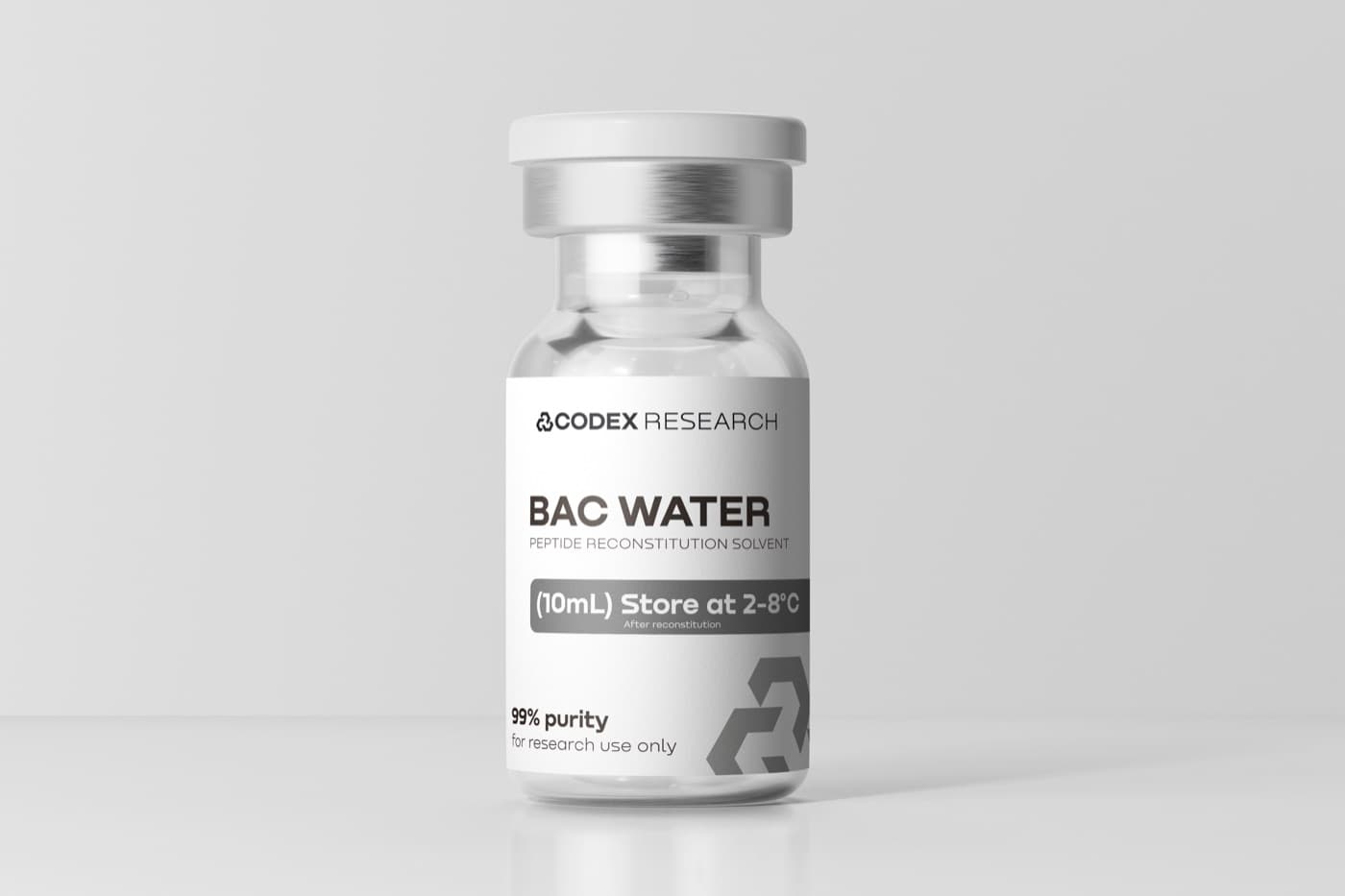
Bacteriostatic water (water with 0.9% benzyl alcohol), which keeps a multi-use vial from growing bacteria. Sterile water has no preservative.
Sterile syringes to add the water, and U-100 insulin syringes to measure.
Alcohol swabs for the stoppers.
A sharps container for used needles.
A label or marker to write the date and the volume of water on the vial.
09
Side effects, safety and legal status
The human studies were short, involved small numbers of volunteers and were run in hospital research units. They were designed to measure hormones, not to assess safety, so side effects and long-term effects in people are largely unknown.
Hormonal disruption: it acts at the top of the reproductive hormone chain. Constant exposure blunted the LH and FSH response within days in healthy men (Yeung 2026), and responses depend on sex, cycle phase and other hormones, so effects outside a supervised study are hard to predict.
Unpredictable response in women: in some women it had no measurable effect at all, depending on the phase of the menstrual cycle (Jayasena 2011).
Product quality: an anti-doping laboratory that tested a black-market vial found no unexpected impurities but more degradation than in a reference standard; the peptide is also prone to oxidation (Colpaert 2024). Products sold online are not checked by any regulator.
Sport: prohibited at all times for male athletes under WADA class S2.2.1, and laboratories have validated urine tests for it (Colpaert 2024).
FDA
Not FDA-approved for any use.
WADA
Prohibited at all times in males (S2.2.1, testosterone-stimulating peptides: kisspeptin and its agonist analogues).
Status checked on
Oct 26, 2026
10
Storing Kisspeptin-10
Before mixing
Freeze-dried (lyophilised) peptide is the most stable form. It is usually kept refrigerated, or frozen for long storage, sealed and away from light.
Heat, moisture and light speed up degradation. Keep the vial in its box and avoid leaving it in a car or by a window.
After mixing
Keep the reconstituted vial refrigerated and away from light. Do not freeze it again: freezing and thawing a solution can break the peptide down.
How long a mixed vial stays good depends on the peptide and the diluent, and for most research peptides there is no published stability data. Follow the supplier's guidance and discard any vial that turns cloudy.
Pierce the stopper as few times as possible, and always with a new sterile needle after wiping it with alcohol.
Write the volume of water on the label (for example "2 mL"). Without it, the unit calculations cannot be checked later.
11
Questions about Kisspeptin-10
Is Kisspeptin-10 FDA-approved?
Not FDA-approved for any use.
What doses of Kisspeptin-10 have been studied?
Our library has 12 studies on Kisspeptin-10. The doses each one used are in section 03, next to the study. They are not dosing instructions.
How much Kisspeptin-10 is in each syringe unit?
It depends on how much liquid is added to the vial. For a 10 mg vial with 2 mL, each U-100 unit holds 50 mcg. The reconstitution table and calculator work it out for other volumes.
Does kisspeptin-10 raise testosterone?
In small studies of men, infusions of kisspeptin-10 raised LH and testosterone over hours, and daily 8-hour infusions kept them raised for 12 days. These were supervised research studies. Whether this is safe or useful over longer periods has not been studied.
What is the difference between kisspeptin-10 and kisspeptin-54?
Both come from the same precursor protein. Kisspeptin-10 is the shortest active fragment; kisspeptin-54 is a longer form. In one direct comparison in healthy men, both raised LH and FSH to a similar degree at the doses tested.
Is kisspeptin used in medicine?
Not as an approved drug. Researchers use it as a test of the reproductive hormone system, for example to help predict whether a young person with delayed puberty will go on to develop normally.
How much bacteriostatic water goes into a 10 mg Kisspeptin-10 vial?
There is no single correct volume: it only changes the concentration. For a 10 mg vial, 1 mL gives 10,000 mcg/mL, 2 mL gives 5,000 mcg/mL, 3 mL gives 3,333 mcg/mL. More water makes small amounts easier to measure; less water keeps volumes small. Whatever volume is used, write it on the label.
What does one unit on an insulin syringe mean?
On a U-100 syringe, 100 units = 1 mL, so one unit is 0.01 mL. How much peptide that holds depends on the concentration of the vial, which depends on how much water was added.
Can doses from animal studies of Kisspeptin-10 be converted to people?
No. Animal doses are reported per kilogram for a different species, and scaling them to people is not reliable. That is why Upzo shows each study dose next to its study, unconverted.
How should Kisspeptin-10 be stored?
Unopened freeze-dried vials are usually kept refrigerated and away from light. Once mixed, keep the vial refrigerated and follow the supplier's guidance on how long it lasts.
12
References
The GPR54 gene as a regulator of puberty. Seminara SB, Messager S, Chatzidaki EE, et al. New England Journal of Medicine. 2003;349:1614-1627. doi:10.1056/NEJMoa035322
Kisspeptin-10 is a potent stimulator of LH and increases pulse frequency in men. George JT, Veldhuis JD, Roseweir AK, et al. Journal of Clinical Endocrinology and Metabolism. 2011;96:E1228-E1236. doi:10.1210/jc.2011-0089
Kisspeptin resets the hypothalamic GnRH clock in men. Chan YM, Butler JP, Pinnell NE, et al. Journal of Clinical Endocrinology and Metabolism. 2011;96:E908-E915. doi:10.1210/jc.2010-3046
The effects of kisspeptin-10 on reproductive hormone release show sexual dimorphism in humans. Jayasena CN, Nijher GM, Comninos AN, et al. Journal of Clinical Endocrinology and Metabolism. 2011;96:E1963-E1972. doi:10.1210/jc.2011-1408
Kisspeptin-10 stimulation of gonadotrophin secretion in women is modulated by sex steroid feedback. George JT, Anderson RA, Millar RP. Human Reproduction. 2012;27:3552-3559. doi:10.1093/humrep/des326
Kisspeptin administration to women: a window into endogenous kisspeptin secretion and GnRH responsiveness across the menstrual cycle. Chan YM, Butler JP, Sidhoum VF, et al. Journal of Clinical Endocrinology and Metabolism. 2012;97:E1458-E1467. doi:10.1210/jc.2012-1282
Exploring the pathophysiology of hypogonadism in men with type 2 diabetes: kisspeptin-10 stimulates serum testosterone and LH secretion in men with type 2 diabetes and mild biochemical hypogonadism. George JT, Veldhuis JD, Tena-Sempere M, et al. Clinical Endocrinology. 2013;79:100-104. doi:10.1111/cen.12103
Exogenous kisspeptin administration as a probe of GnRH neuronal function in patients with idiopathic hypogonadotropic hypogonadism. Chan YM, Lippincott MF, Butler JP, et al. Journal of Clinical Endocrinology and Metabolism. 2014;99:E2762-E2771. doi:10.1210/jc.2014-2233
Direct comparison of the effects of intravenous kisspeptin-10, kisspeptin-54 and GnRH on gonadotrophin secretion in healthy men. Jayasena CN, Abbara A, Narayanaswamy S, et al. Human Reproduction. 2015;30:1934-1941. doi:10.1093/humrep/dev143
Using Kisspeptin to Predict Pubertal Outcomes for Youth With Pubertal Delay. Chan YM, Lippincott MF, Sales Barroso P, et al. Journal of Clinical Endocrinology and Metabolism. 2020;105:e2717-e2725. doi:10.1210/clinem/dgaa162
Chronic subcutaneous kisspeptin-10 stimulates gonadotropin secretion for 12 days in healthy men. Yeung AC, Phylactou M, Koysombat K, et al. European Journal of Endocrinology. 2026;195:206-216. doi:10.1093/ejendo/lvag134
Investigating the detection of the novel doping-relevant peptide kisspeptin-10 in urine using liquid chromatography high-resolution mass spectrometry. Colpaert T, Risseeuw M, Deventer K, et al. Biomedical Chromatography. 2024;38:e5946. doi:10.1002/bmc.5946
Research supplier
For laboratory research use only.
Codex Research LabShips from Panama City · US domestic shipping
Research and education only. Not medical advice. Many peptides on this site are not approved by the FDA for human use. Doses shown are the ones used in published studies and are not a recommendation. Talk to a licensed clinician before using any of them. Read the full disclaimer.